
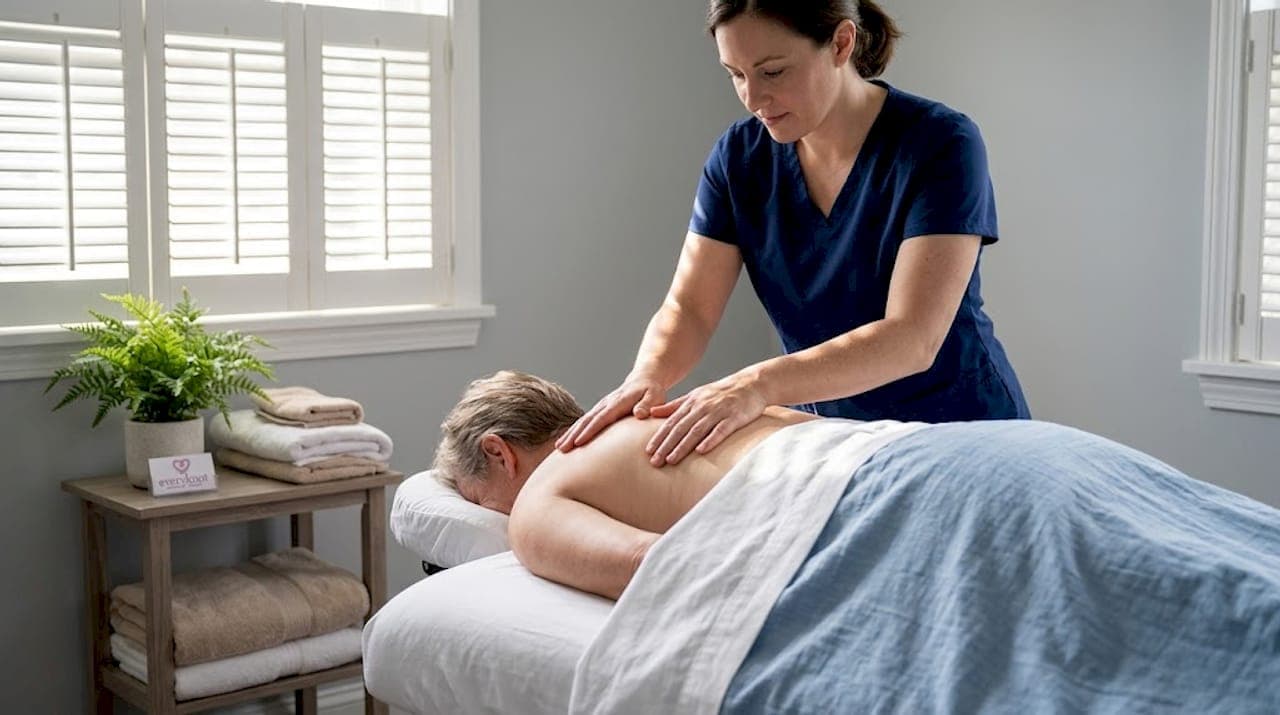
Chronic pain, persistent stress, and slow muscle recovery are frustrating realities for many adults in Austin. You may have tried massage before and wondered why the results felt inconsistent, or why a technique that helped a friend did nothing for you. The truth is, not all restorative massage methods work equally well for every condition. Outcomes depend heavily on technique selection, pressure dosing, and how well the session is personalized to your nervous system and body. This guide walks you through the leading evidence-based options, compares what research actually shows, and helps you identify the approach most likely to support your healing.
Table of Contents
- How to select the best restorative massage technique
- Evidence-based restorative massage techniques explained
- Comparing techniques: What does the evidence show?
- Customizing massage for chronic pain, stress, and recovery
- Why mainstream massage advice misses the real recovery factors
- Start your restorative massage journey in Austin
- Frequently asked questions
Key Takeaways
| Point | Details |
|---|---|
| Personalization matters | Restorative massage results are strongest when techniques and pressure are tailored to your body and comfort level. |
| Evidence varies by condition | Techniques like myofascial release show more benefit for some conditions, while neck pain and muscle recovery require tailored expectations. |
| Communication is key | Talk openly with your therapist to adjust sessions for the best healing and comfort. |
| Comfort enhances healing | Safe, pain-free touch is often more effective than deeper pressure for chronic pain or stress recovery. |
How to select the best restorative massage technique
Choosing the right restorative massage is not as simple as picking the most popular option. The best starting point is understanding your own body and what you are actually dealing with. A few key criteria shape every good decision.
First, consider your medical history and pain type. Localized pain from a specific injury responds differently than widespread pain from a condition like fibromyalgia. Post-exercise soreness has different needs than chronic tension from stress. Knowing which category fits you helps narrow the field significantly.
Second, your pressure tolerance matters more than most people realize. Many people assume that deeper pressure equals better results. That is a common and costly misconception. Pressure should be individualized because overly painful or mismatched pressure can worsen symptoms or cause sensitization. Intensity is not synonymous with effectiveness. A session that leaves you wincing may actually set your recovery back.
Third, your emotional state and nervous system readiness play a real role. If your body is in a stress response, aggressive techniques may feel threatening rather than therapeutic. Your nervous system needs to feel safe enough to release tension. This is why comfort and communication are foundational, not optional extras.
Here are the core factors to evaluate before booking any session:
- Pain type: Localized, widespread, post-exercise, or stress-related
- Pressure sensitivity: Low, moderate, or high tolerance
- Emotional state: Anxious, burned out, or physically fatigued
- Medical history: Any contraindications such as blood clots, fractures, or skin conditions
- Goals: Pain reduction, relaxation, mobility, or emotional release
Screening for contraindications is also essential. Certain conditions require modified approaches or medical clearance before any restorative massage for chronic pain is appropriate. Always disclose your full health history to your therapist.
Pro Tip: Do not equate soreness after a session with effectiveness. A skilled therapist adjusts pressure based on your feedback, not a fixed script. Speak up during the session. Your comfort is part of the treatment.
Evidence-based restorative massage techniques explained
Once you know what to look for, the next step is understanding how each major technique works and who it actually helps.
-
Myofascial release targets the fascia, the connective tissue that surrounds muscles and organs. Slow, sustained pressure is applied to areas of restriction. This technique is particularly well-suited for people with fibromyalgia or widespread tension. Research shows large positive effects on pain and medium effects on anxiety and depression at end of treatment in fibromyalgia. That is a meaningful result in a population that often finds little consistent relief.
-
Swedish and deep tissue massage use gliding strokes, kneading, and targeted compression to address muscle layers. Swedish is gentler and promotes overall relaxation. Deep tissue works into deeper muscle groups and is better suited for localized chronic tension or injury recovery. Both are widely available and adaptable.
-
Trigger point therapy focuses on specific tight spots within muscle tissue, called trigger points, that refer pain to other areas. This is useful for people with identifiable knots or referred pain patterns, such as tension headaches or shoulder pain radiating from the neck.
-
Gentle nervous-system downregulation techniques include slow rhythmic strokes, craniosacral-influenced holds, and light touch work. These are best for people dealing with anxiety, trauma, or high stress loads where aggressive techniques would feel overwhelming.
A critical insight from research is that context and touch intensity shape symptom outcomes more than technique name alone. As one review noted:
"The specific label of a technique matters less than how it is applied, at what intensity, and in what relational context between therapist and client."
This is why working with a skilled professional massage therapy in Austin provider who reads your body and adapts in real time makes a measurable difference. For chronic neck pain specifically, massage produces little to no difference versus placebo for pain, function, or quality of life up to 12 weeks. That finding does not mean massage is useless for neck pain. It means dose, pressure, and session length need careful calibration.
Comparing techniques: What does the evidence show?
With the main techniques in view, a side-by-side comparison helps clarify which approach fits which situation.
| Technique | Evidence-backed benefits | Best use cases | Common limitations |
|---|---|---|---|
| Myofascial release | Large pain reduction, moderate mood improvement | Fibromyalgia, widespread tension | Requires trained practitioner |
| Deep tissue massage | Localized pain relief, improved mobility | Injury recovery, chronic muscle tension | Can cause post-session soreness |
| Swedish massage | Relaxation, reduced cortisol, improved sleep | Stress, mild tension, general wellness | Less effective for deep structural pain |
| Trigger point therapy | Targeted pain relief, reduced referral patterns | Tension headaches, localized knots | Discomfort during treatment |
| Gentle downregulation | Nervous system calm, reduced anxiety | Anxiety, trauma, burnout | Not suited for structural pain alone |
For fibromyalgia and myofascial pain, the evidence is clearest. Meta-analyses show large pain and depression benefits specifically from myofascial release in these populations. For post-exercise recovery, the picture is more nuanced. Massage is not reported effective in enhancing recovery from exercise-induced muscle damage in humans, and timing, length, and pressure are all potentially significant factors.
This does not mean skipping massage after a hard workout. It means adjusting your expectations. Massage after exercise may reduce perceived soreness and support relaxation without necessarily speeding up the physical repair process.
For chronic neck pain, higher-dose sessions with longer duration and targeted pressure may offer more benefit than brief, generic sessions. The research gap here is largely about standardization, not about massage being ineffective.
Key decision guide:
- Pain relief (widespread): Start with myofascial release
- Stress and anxiety: Start with Swedish or gentle downregulation
- Localized injury or tension: Start with deep tissue or trigger point
- Post-exercise recovery: Use massage for comfort, not as a primary recovery tool
Customizing massage for chronic pain, stress, and recovery
Knowing the techniques is only part of the equation. How you communicate and adapt your sessions determines how much benefit you actually receive.
Open communication with your therapist is the single most underused tool in massage therapy. Before the session, describe your pain clearly. Where is it? Is it constant or intermittent? Does it radiate? After the session, share what helped and what did not. This feedback loop allows your therapist to refine the approach over time.
Here is a practical checklist for getting the most from your sessions:
- Before: Share your full health history, current medications, and emotional state
- During: Speak up immediately if pressure feels too intense or uncomfortable
- After: Note any lingering soreness lasting more than 24 to 48 hours
- Between sessions: Track your symptoms to identify patterns and progress
For fibromyalgia, lighter pressure and longer session durations tend to produce better outcomes. For anxiety or depression, consistency matters more than intensity. For exercise recovery, timing the session within a few hours post-workout may reduce perceived soreness even if structural repair is unchanged.
Watch for these red flags that suggest a technique or therapist is not a good fit:
- Pain that worsens significantly after sessions
- Emotional distress that does not settle within a day
- Pressure that feels forced or unresponsive to your feedback
- No improvement after four to six consistent sessions
Restorative massage for chronic pain is best approached as individualized dosing and nervous-system attunement, combining gentle comfort with targeted releases when tolerated. That framing shifts the goal from "getting through it" to genuinely healing.

Pro Tip: Always request adjustments if pressure feels uncomfortable. A good therapist welcomes this. Comfort is not a luxury in massage therapy. It is a clinical factor that shapes whether your nervous system opens up or braces against the work.
Why mainstream massage advice misses the real recovery factors
Most articles about restorative massage focus heavily on technique names. Swedish versus deep tissue. Myofascial versus trigger point. The implication is that picking the right label solves the problem. In practice, that framing misses what actually drives recovery.
Pressure calibration and nervous-system safety are the real variables. A deep tissue session delivered without attention to your tolerance can leave you more inflamed than when you arrived. A gentle session with a therapist who reads your body and adjusts in real time can produce profound releases that no aggressive technique achieves.
The "no pain, no gain" mindset is particularly harmful in therapeutic massage. It keeps people tolerating sessions that are not working, or worse, sessions that are actively setting them back. Emotional comfort builds physical results. When your body feels safe, it releases. When it feels threatened, it braces.
At EveryKnot Massage, the approach is built around this reality. Every session is adjusted, not scripted. That is not a marketing claim. It is the difference between a practitioner who follows a protocol and one who listens to your body throughout the entire session.
Start your restorative massage journey in Austin
Ready to take the next step toward relief and recovery? Understanding the research is valuable, but the real shift happens when you work with a therapist who applies that knowledge to your specific body, history, and goals.
EveryKnot Massage Austin offers personalized sessions designed around your unique needs, whether you are managing fibromyalgia, recovering from injury, navigating chronic stress, or simply trying to feel better in your body. Caitlin brings certification across multiple modalities and an intuitive, attentive approach that adapts every session to what you actually need. If you have been searching for consistent, supportive care in Austin, this is a meaningful place to start. Reach out to book a session or ask questions. Your recovery does not have to be a guessing game.
Frequently asked questions
Which restorative massage technique works best for fibromyalgia?
Myofascial release has the strongest evidence for fibromyalgia, showing large positive effects on pain and medium improvements in anxiety and depression at end of treatment.
How much pressure should I request during a restorative massage?
Pressure should always match your comfort level. Overly painful or mismatched pressure can worsen symptoms or cause sensitization, so never hesitate to ask your therapist for adjustments.
Does massage help with muscle recovery after exercise?
Evidence is mixed. Massage is not reported effective in enhancing recovery from exercise-induced muscle damage in humans, though it may reduce perceived soreness and support relaxation.
Is restorative massage effective for chronic neck pain?
For chronic neck pain, massage produces little to no difference versus placebo up to 12 weeks, though higher-dose and longer sessions may offer more targeted benefit.