
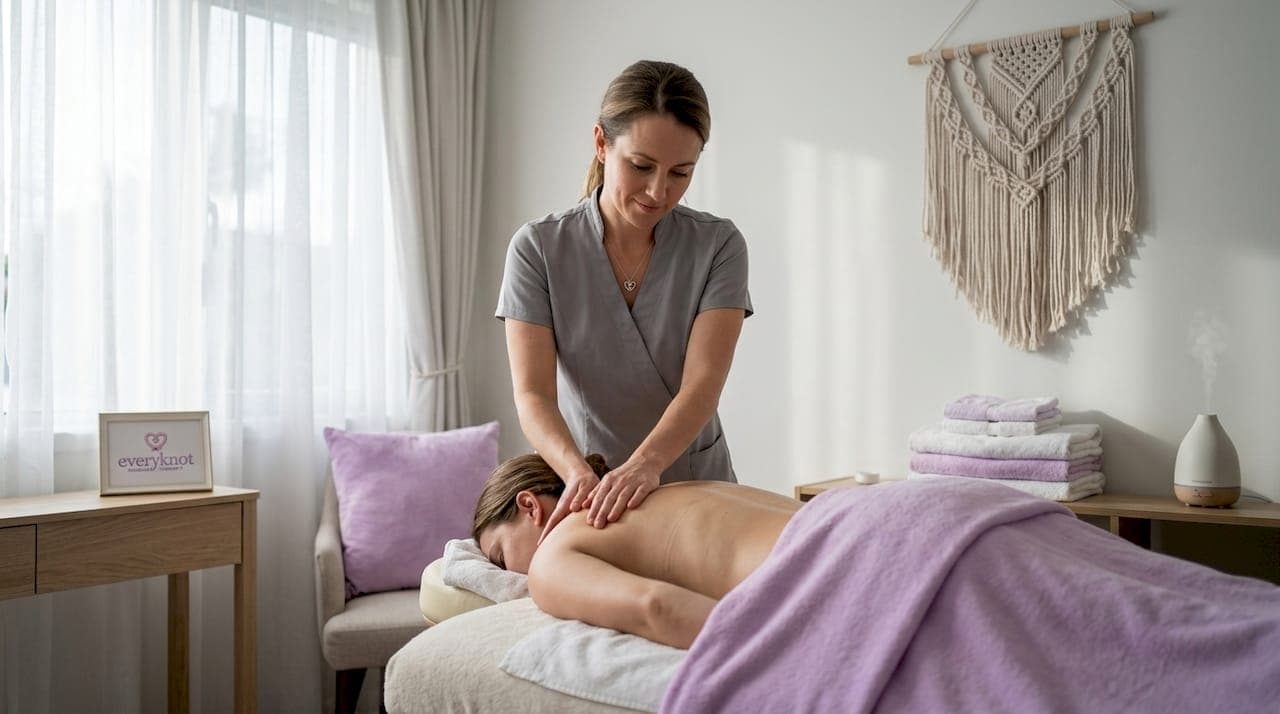
Massage is often dismissed as a luxury, something you treat yourself to on vacation or a birthday. But if you live with chronic tension, persistent aches, or stress that never fully lets go, that framing misses the point entirely. The science behind massage therapy is both well-established and genuinely surprising, revealing a system of physiological and psychological mechanisms that address pain at its source. This guide breaks down exactly why massage works, which types are most effective for different kinds of tension, and what you can realistically expect from consistent therapeutic care.
Table of Contents
- Understanding tension: What's happening beneath the surface
- How massage relieves tension: Proven physiological and psychological effects
- Which massage types work best for tension—and when?
- Beyond pain: Emotional healing and stress relief from massage
- The limits and nuances: What massage can—and can't—do for tension
- What most people misunderstand about massage and tension
- Ready to address your tension? Explore professional massage in Austin
- Frequently asked questions
Key Takeaways
| Point | Details |
|---|---|
| Massage targets pain at the source | Techniques like deep tissue and myofascial release address both muscle knots and underlying tension for lasting relief. |
| Cumulative results need consistency | Regular sessions over several weeks are crucial for meaningful, long-term improvement in tension and stress. |
| Emotional healing matters too | Massage benefits mood and stress levels, not just sore muscles, thanks to its effects on the nervous system. |
| Know massage’s limits | Evidence is strongest for back and fibromyalgia pain and less clear for neck pain or acute injuries. |
| Integrate massage with self-care | Combining bodywork with movement, healthy habits, and emotional support yields the best outcomes. |
Understanding tension: What's happening beneath the surface
Before you can appreciate why massage helps, it's worth understanding what tension actually is. Muscle tension refers to a state where muscle fibers remain partially contracted even when they shouldn't be. Acute tension is short-lived, the kind you feel after a tough workout or a stressful afternoon. Chronic tension is different. It's the kind that settles in over months or years, often without a single clear cause.
Several factors drive chronic tension:
- Prolonged stress, which keeps your nervous system in a low-grade alert state
- Poor posture, especially from long hours at a desk or looking at a screen
- Previous injuries that were never fully rehabilitated
- Repetitive movement patterns at work or during exercise
- Emotional suppression, where unprocessed stress gets stored physically in the body
The effects on daily life are significant. Chronic tension disrupts sleep, reduces your ability to concentrate, contributes to headaches and jaw pain, and limits your range of motion. Over time, it can lead to what are called muscle adhesions, which are areas where muscle fibers and surrounding connective tissue stick together, creating knots that restrict movement and amplify pain signals.
"Mechanisms include gate control theory, endorphin release, increased blood flow, and biomechanical effects like breaking up muscle adhesions." This pain relief mechanisms framework is what makes massage uniquely suited to addressing tension from multiple angles simultaneously, rather than targeting just one symptom.
The urgency here is real. Left unaddressed, chronic tension doesn't just plateau. It tends to worsen, creating compensatory patterns where other muscles overwork to protect the painful areas, spreading the problem further through your body.
How massage relieves tension: Proven physiological and psychological effects
Massage works through several distinct but overlapping pathways. Understanding these helps you see why a skilled therapist's hands can do what stretching or rest alone often cannot.
Gate control theory is one of the most important mechanisms. When a therapist applies pressure to a tense area, the nerve fibers carrying that pressure signal travel faster than the fibers carrying pain signals. This effectively "closes the gate" on pain perception, giving you immediate relief during and after a session.
Endorphin release is another key factor. Massage stimulates the release of the body's natural pain-relieving chemicals, which is why you often feel a genuine sense of ease after a session, not just relaxation but actual reduction in pain intensity.

Increased blood flow brings fresh oxygen and nutrients to chronically tight muscles while flushing out metabolic waste products like lactic acid. This is particularly important for areas that have been tense for a long time and are essentially starved of circulation.
Breaking up adhesions addresses those stubborn knots directly. Targeted pressure and friction techniques physically separate stuck tissue, restoring normal muscle function and reducing the localized pain those adhesions cause.
Finally, massage activates the parasympathetic nervous system, which is the part of your nervous system responsible for rest, digestion, and recovery. This is where the emotional and psychological benefits begin, and they are just as real as the physical ones. Research confirms that deep tissue massage effects operate through physiological, neurological, biomechanical, and psychological mechanisms that are all supported by current evidence.
| Mechanism | What it does | Benefit you feel |
|---|---|---|
| Gate control theory | Blocks pain signals at spinal level | Reduced pain during and after session |
| Endorphin release | Natural pain relief chemicals released | Sense of ease and mood lift |
| Increased blood flow | Oxygenates and cleanses muscle tissue | Reduced soreness and stiffness |
| Adhesion breakdown | Separates stuck muscle and fascia | Better range of motion |
| Parasympathetic activation | Shifts body into rest and recovery mode | Calm, reduced anxiety, improved sleep |
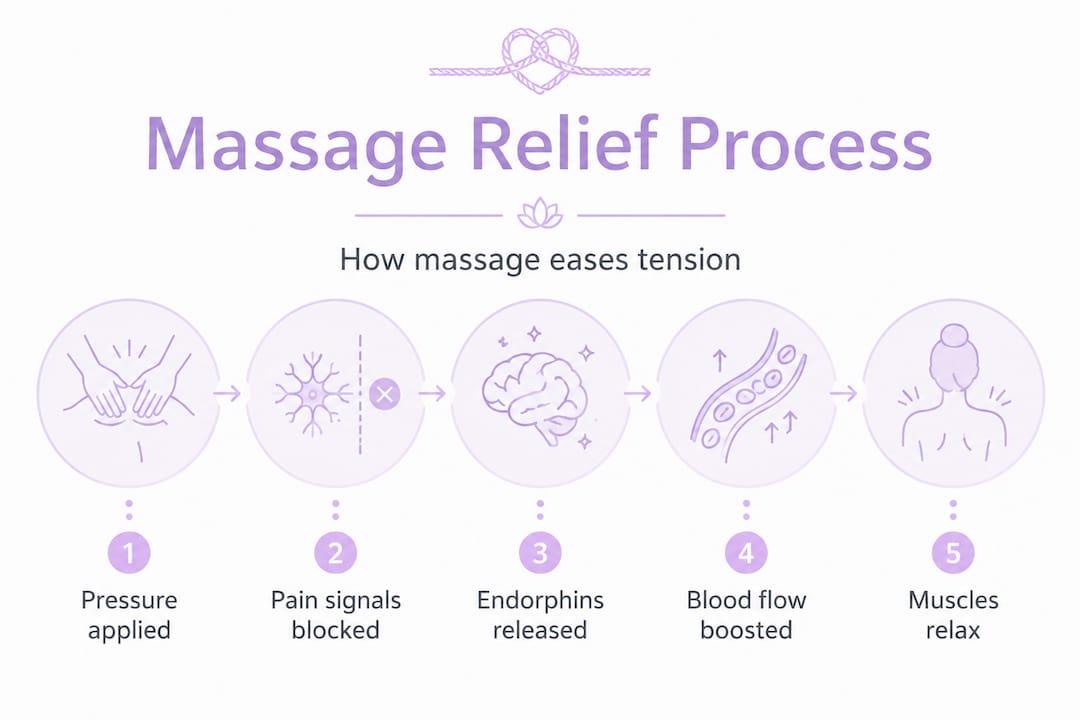
Research supports the breadth of these effects. Swedish and Thai massage have both been shown to relieve chronic low back pain and improve range of motion while also reducing anxiety, meaning the physical and emotional benefits arrive together.
Pro Tip: If you feel some soreness in the day or two after a deep session, that's normal. It means the work reached the tissue that needed attention. Staying hydrated and doing gentle movement helps your body process the changes more quickly.
Which massage types work best for tension—and when?
Not all massage is the same, and choosing the right type for your specific tension pattern matters. Here's a practical breakdown:
- Deep tissue massage uses slow, firm pressure to reach deeper muscle layers. It's most effective for chronic tension, muscle knots, and pain that has been present for weeks or months.
- Swedish massage uses longer, flowing strokes with moderate pressure. It's ideal for general stress relief, mild tension, and clients who are new to massage or sensitive to pressure.
- Thai massage combines assisted stretching with rhythmic pressure. It's excellent for improving flexibility and addressing tension that comes with restricted movement patterns.
- Myofascial release targets the fascia (the connective tissue surrounding muscles). It uses sustained, gentle pressure to release restrictions that other techniques can't reach.
- Percussive massage uses rapid, repetitive strikes to stimulate blood flow and loosen superficial muscle tension. It's often used for athletic recovery and warm-up.
| Massage type | Best for | Pressure level | Frequency recommendation |
|---|---|---|---|
| Deep tissue | Chronic pain, knots, adhesions | Firm to deep | Weekly for 4 to 6 weeks |
| Swedish | Stress, mild tension, relaxation | Light to moderate | Every 2 to 4 weeks |
| Thai | Flexibility, movement restriction | Moderate, with stretching | Every 2 to 3 weeks |
| Myofascial release | Fascial restriction, fibromyalgia | Light, sustained | Weekly initially |
| Percussive | Athletic recovery, acute soreness | Variable | As needed |
Evidence points clearly to certain types for chronic conditions. Deep tissue, myofascial release, and percussive massage are most effective for chronic tension, and consistency is key to seeing lasting results. For chronic low back pain specifically, Swedish and Thai massage are equally effective, though researchers note the need for more direct comparative studies. A recent evidence review found moderate certainty evidence supporting massage for chronic low back pain, fibromyalgia, and myofascial pain.
One often-overlooked strategy is combining myofascial release for pain with regular movement and exercise. Massage loosens tissue and resets your nervous system. Movement reinforces those changes by building new motor patterns and keeping circulation active between sessions.
Pro Tip: If you're unsure which type is right for you, start with a conversation with your therapist before the session. A skilled practitioner will assess your tension patterns and customize the approach rather than applying a one-size-fits-all technique.
Beyond pain: Emotional healing and stress relief from massage
Physical tension and emotional stress are not separate problems. They feed each other in a cycle that can be difficult to interrupt on your own. Chronic pain increases anxiety. Anxiety increases muscle tension. That tension amplifies pain. Massage is one of the few interventions that addresses both sides of this cycle at the same time.
When your body shifts into parasympathetic mode during a massage, your heart rate slows, your breathing deepens, and your cortisol levels drop. This is your nervous system recognizing that it's safe to let go, and that signal has real downstream effects on your mood, your resilience, and your ability to cope with daily stressors.
The benefits for emotional health include:
- Reduced anxiety, including generalized anxiety that accompanies chronic pain
- Improved mood through endorphin and serotonin release
- Better sleep quality, which itself improves pain tolerance and emotional regulation
- Greater sense of body awareness, helping you notice and respond to tension before it becomes severe
- Emotional release, which some clients experience as unexpected feelings of relief or even tears during a session. This is a normal and healthy response.
Research confirms that massage reduces psychological distress, improves mood, and supports emotional healing through parasympathetic activation. These are not secondary benefits. For many people living with chronic pain, they are the most transformative part of consistent therapeutic care.
Studies also show that myofascial release produces medium-sized effects on anxiety and depression specifically for people with fibromyalgia, a condition where emotional and physical symptoms are deeply intertwined. This matters because it means bodywork isn't just making you feel temporarily better. It's contributing to measurable changes in your psychological wellbeing over time.
The limits and nuances: What massage can—and can't—do for tension
Honesty matters here. Massage is genuinely powerful for many conditions, but it's not a universal solution, and setting realistic expectations helps you get the most from it.
Where massage clearly helps:
- Chronic low back pain, with moderate certainty evidence supporting meaningful pain reduction
- Fibromyalgia, where both physical and psychological symptoms respond to consistent treatment
- Myofascial pain syndrome, where targeted release work directly addresses the source
Where evidence is mixed or limited:
- Subacute and chronic neck pain, where massage versus placebo shows little to no difference at 12 weeks in some reviews
- Acute injuries, where massage may not be appropriate and could worsen inflammation if applied too soon
- Conditions requiring surgical or medical intervention, where massage plays a supportive but not primary role
Possible side effects to be aware of:
- Temporary soreness or tenderness in the 24 to 48 hours after a deep session
- Mild fatigue as your body processes the treatment
- Occasional bruising with very deep pressure work
- Emotional sensitivity following sessions that involve significant release
A recent evidence review found moderate certainty evidence for chronic low back pain and fibromyalgia, but little to no difference for neck pain in some comparisons. This doesn't mean massage won't help your neck, but it does mean your therapist should take an individualized approach rather than applying generic protocol.
The best outcomes consistently come from integrated care. Massage works best when it's part of a broader approach that includes movement, stress management, and, where appropriate, medical support.
What most people misunderstand about massage and tension
Here's the perspective that most articles skip: massage is not a passive treatment. People often come in expecting to lie there and have their tension removed. That's understandable, but it misses something important.
The most significant changes happen over time, not in a single session. Research and clinical experience consistently show that cumulative benefits build over four to six weeks of regular work. One session can provide real relief. But the kind of lasting change that actually shifts your baseline, where you stop returning to the same tight, painful state, requires sustained, intentional care.
The mind-body connection is also more literal than most people realize. Emotional stress doesn't just make you feel tense. It creates measurable physiological changes in your muscles, your fascia, and your nervous system. Ignoring the emotional dimension of your tension while only treating the physical is like addressing one side of a two-sided problem. The physiological effects of massage are real and well-documented, but they work best when you're also paying attention to what's driving your stress in the first place.
Movement matters too. Clients who do gentle stretching, walking, or any form of regular movement between sessions hold their progress better than those who remain sedentary. Massage opens a window of improved tissue quality and nervous system regulation. What you do in that window determines how long the benefits last.
Finally, don't underestimate emotional stress as a driver of physical tension. Many people in Austin carry enormous loads, demanding jobs, long commutes, caregiving responsibilities, and a culture that often rewards pushing through rather than recovering. Your body keeps score. Treating your tension as a purely mechanical problem is a common mistake, and it's one that keeps people cycling through the same pain patterns year after year.
Ready to address your tension? Explore professional massage in Austin
If what you've read here resonates, the next step is straightforward. The science is clear, the benefits are real, and consistent therapeutic massage can genuinely change how you feel in your body and your daily life.
At EveryKnot Massage, Caitlin brings a certified, intuitive approach to every session, blending deep tissue techniques, myofascial work, and attentive presence to meet you exactly where you are. Whether you're managing chronic pain, recovering from an injury, or simply carrying more stress than your body can hold, professional massage therapy in Austin is available to support your healing in a calm, personalized environment. Reach out to book your session and start building the kind of consistent care that creates lasting change.
Frequently asked questions
How often should I get a massage for chronic tension?
For best results, most experts recommend weekly sessions for four to six weeks to build cumulative benefits, after which you can adjust frequency based on how your body responds.
Is massage effective for all types of pain?
Massage is most effective for chronic low back pain and fibromyalgia, but may be less effective for neck pain or acute injuries where evidence is more limited.
Are there any risks or side effects to therapeutic massage?
Most side effects are mild, such as temporary soreness, but massage isn't advised for acute injuries without guidance from a healthcare provider first.
Can massage help with emotional stress as well as physical tension?
Yes, evidence shows massage lowers anxiety and improves mood through activation of the parasympathetic nervous system, making it effective for both emotional and physical dimensions of tension.