
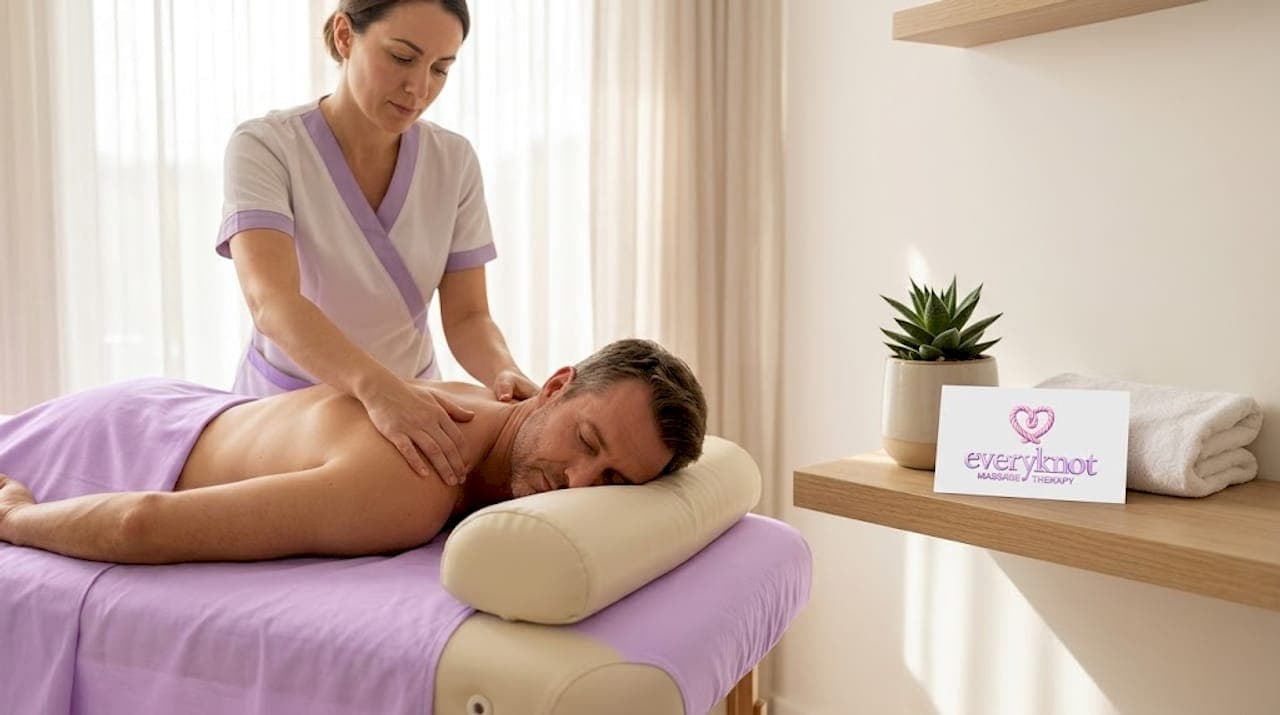
Massage therapy is easy to write off as a treat you give yourself when life slows down. But if you're living with chronic pain, recovering from an injury, or carrying the kind of stress that settles deep into your muscles, you probably already sense that something more meaningful is happening on that table. The question is whether the research backs that feeling up. The short answer is yes, with important nuance. Understanding what the evidence actually says, and how to use it, can help you make smarter, more confident decisions about your own care.
Table of Contents
- What science actually says about massage therapy
- When does massage make a meaningful difference?
- How massage works: More than muscles
- Making massage work for you: Practical tips for real results
- A fresh perspective: What most guides miss about massage's value
- Take the next step toward effective relief in Austin
- Frequently asked questions
Key Takeaways
| Point | Details |
|---|---|
| Evidence-based support | Massage therapy offers modest, condition-dependent relief for some chronic pain conditions—especially when integrated into holistic care. |
| Personalization is key | The best outcomes come from tailored treatment plans that adapt technique, frequency, and goals for your individual needs. |
| Beyond muscles | Massage also influences your nervous system and stress response, not just sore muscles or joints. |
| Set realistic expectations | Results are usually gradual and work best when combined with other therapies and consistent self-care. |
What science actually says about massage therapy
To understand why massage might matter, let's first look at what up-to-date research really shows.
The honest picture is this: massage therapy produces real, measurable benefits for certain conditions, but the effects are not dramatic across the board. The science behind massage has grown considerably over the past decade, and researchers are getting better at identifying when and why it works. For chronic low back pain, fibromyalgia, and certain myofascial pain conditions, the evidence is reasonably encouraging. For others, like neck pain, the picture is more mixed.
A major Cochrane review found that massage therapy provides modest, condition-dependent relief for persistent pain, but that high-quality evidence varies by condition and often shows small or uncertain effects compared to control or sham treatments. That sounds discouraging at first read. But "modest" does not mean meaningless, especially when you're the one dealing with daily discomfort.
A more recent update from the U.S. Veterans Health Administration found that massage has areas of potential benefit across painful conditions, with stronger evidence now than earlier summaries, though moderate-certainty conclusions remain limited and more trials are still needed. This tells us the field is moving in a positive direction, not stagnating.
Here's a quick look at how the evidence stacks up across common conditions:
| Condition | Evidence quality | Likely benefit |
|---|---|---|
| Chronic low back pain | Moderate | Meaningful short to mid-term relief |
| Fibromyalgia | Moderate | Reduced pain and fatigue |
| Neck pain | Low to moderate | Modest, dose-dependent gains |
| Headache and migraine | Low to moderate | Some reduction in frequency |
| Stress and anxiety | Moderate | Consistent relaxation response |
| Post-surgical recovery | Low | Possible comfort and mobility support |
"Massage therapy is not a cure, but it is a credible, supportive tool when matched to the right condition, the right dose, and the right person."
The quality of any study depends heavily on how it's designed. Factors like session length, number of sessions, therapist training, and what the control group receives all shape the conclusions. When these details are poorly controlled, results look weaker than they may actually be in real practice.
When does massage make a meaningful difference?
After examining the broad evidence, let's get more specific about which pain types and situations massage really helps.
The strongest and most consistent research supports massage for chronic low back pain. A randomized trial found that therapeutic massage outperforms self-care and sometimes acupuncture in the short to mid-term for people with chronic low back pain. That's a meaningful finding, especially for anyone who has tried stretching and over-the-counter remedies without lasting results.
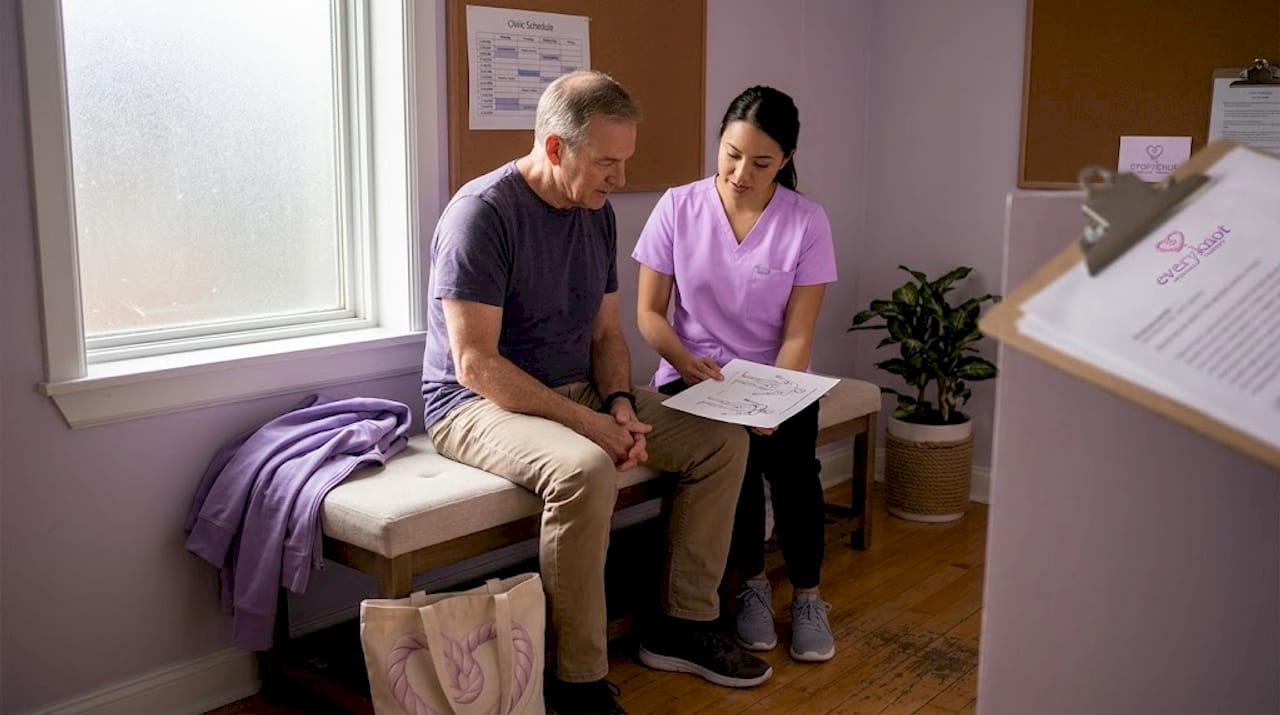
Myofascial pain, which refers to pain originating in the muscle tissue and its surrounding connective tissue, also responds well. Trigger point therapy and deep tissue work can reduce localized pain and improve range of motion in ways that feel noticeably different after just a few sessions.
Neck pain is more complicated. The Cochrane review on neck pain noted that higher dose sessions may perform better, with subgroup data suggesting at least 8 sessions over 4 weeks, each lasting 30 minutes or more, produce stronger outcomes. This matters because a single session once a month is unlikely to move the needle much for chronic neck tension.
Here's what tends to maximize your outcomes:
- Frequency matters. Consistent sessions over several weeks outperform sporadic visits.
- Longer sessions often yield more. Thirty minutes may not be enough for complex or widespread pain.
- Pairing with rehab helps. Massage combined with stretching, exercise, or physical therapy tends to produce better results than massage alone.
- Communication is essential. Telling your therapist exactly where you feel pain, what makes it worse, and what you've already tried helps them tailor the work.
- Chronic stress-related pain responds well. If tension headaches, jaw tightness, or shoulder pain are tied to stress, massage can address both the physical and nervous system components at once.
Pro Tip: If you're starting massage for chronic pain, commit to at least 4 to 6 sessions before evaluating whether it's working. Early sessions often focus on releasing layers of accumulated tension, and the most noticeable improvements frequently come in the third or fourth visit.
When comparing approaches, it also helps to know what you're choosing between:
| Approach | Best for | Limitations |
|---|---|---|
| Deep tissue massage | Chronic muscle tension, injury recovery | May feel intense; not ideal for acute injury |
| Swedish massage | Stress, mild tension, general relaxation | Less targeted for chronic pain |
| Myofascial release | Connective tissue restriction, fibromyalgia | Requires skilled therapist |
| Trigger point therapy | Localized pain, referred pain patterns | Can be uncomfortable during session |
| Prenatal massage | Pregnancy-related discomfort | Requires specialized training |
How massage works: More than muscles
Now that we know where massage helps most, let's unpack how it actually works, often beyond what most people think.
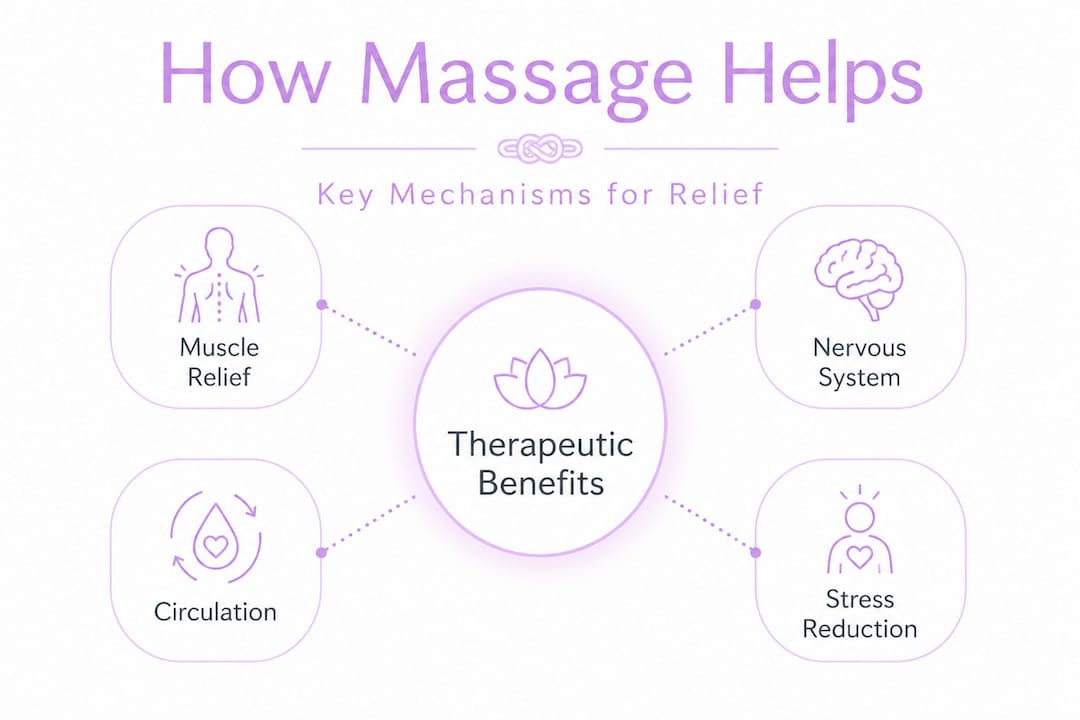
Most people picture massage as simply loosening tight muscles. That's part of it. But the nervous system effects of massage are just as important, and in some cases more so. Research shows that massage affects both the body and the nervous system simultaneously, which is why it can help with conditions that have both physical and emotional components.
A synthesis of the mechanistic literature confirms that massage mechanisms involve both neurophysiological pain modulation and autonomic or stress-system effects. In plain terms, massage can reduce how intensely your nervous system registers pain, and it can shift your body out of a heightened stress state.
Here's what's happening beneath the surface during a therapeutic session:
- Pain gate modulation. Pressure and movement stimulate sensory receptors that can temporarily reduce pain signal transmission to the brain, similar to how rubbing a bumped elbow provides immediate relief.
- Cortisol reduction. Consistent massage has been linked to lower cortisol levels, which is the primary stress hormone. Lower cortisol supports better sleep, reduced inflammation, and improved mood.
- Increased circulation. Improved blood flow to muscles helps deliver oxygen and remove metabolic waste products that contribute to soreness and stiffness.
- Parasympathetic activation. Massage encourages your body to shift from "fight or flight" into "rest and digest" mode, helping your nervous system feel safe enough to let go of held tension.
- Endorphin and serotonin release. Touch stimulates the release of feel-good neurochemicals, which supports both mood and pain tolerance.
Some of the benefit also comes from the psychological and sensory experience itself. Being in a calm, safe environment with intentional, skilled touch can reduce anxiety and promote a sense of being cared for. This isn't a trivial effect. For people whose pain is amplified by stress or emotional load, this dimension of massage may be just as healing as the physical work.
Pro Tip: If you notice that your pain tends to flare during stressful periods, that's a strong signal that your nervous system is involved. Sessions focused on nervous system regulation, not just deep pressure, may serve you better during those times.
Making massage work for you: Practical tips for real results
Knowing how massage works, here's how to make it most effective for your individual situation.
The VA evidence map makes an important point: massage is unlikely to be a standalone solution for complex chronic pain, especially when central sensitization (where the nervous system becomes overly sensitive to pain signals) and psychosocial factors are involved. But it can still matter as an adjunct that supports comfort, nervous system downshifting, and participation in rehab and exercise.
Here's a practical framework for getting the most from your sessions:
- Be specific about your goals. Are you trying to reduce daily pain, improve sleep, recover from an injury, or manage stress? Each goal may call for a different approach or technique.
- Choose a therapist with relevant training. Certifications in deep tissue, myofascial release, or specific pain conditions mean your therapist has tools beyond a general relaxation massage.
- Plan for a series, not a single session. Especially for chronic conditions, one visit is rarely enough to produce lasting change. A series of 6 to 10 sessions gives your body time to respond and adapt.
- Combine massage with movement. Gentle stretching, walking, or physical therapy exercises between sessions help reinforce the work done on the table and prevent tension from rebuilding as quickly.
- Communicate openly during every session. Pressure that feels productive to one person may feel painful or counterproductive to another. Your feedback shapes the session in real time.
- Track your progress. Keep a simple note of your pain levels, sleep quality, and stress before and after sessions. Patterns often reveal more than memory alone.
The Cochrane review also notes that adverse events are underreported in massage trials, and that for people recovering from injuries, outcomes depend heavily on tailoring technique, pressure, and frequency within an overall plan. This is a good reminder that personalized care is not a luxury. It's a safety and effectiveness issue.
If you're recovering from a specific injury or managing a complex condition, working with a personalized massage treatment approach, one where your therapist understands your full picture, gives you the best chance of real, lasting benefit.
A fresh perspective: What most guides miss about massage's value
Beyond the evidence and practical pointers, here's a perspective you rarely see in standard guides.
Most articles about massage therapy focus on whether it "works" in a binary way. Does it reduce pain? Yes or no? But that framing misses something important. The real value of massage often shows up in quieter ways. Fewer pain spikes during the week. Falling asleep more easily. Being able to sit through a workday without reaching for ibuprofen. These are not dramatic cures. They are quality-of-life shifts, and they matter enormously.
In hands-on practice, the best outcomes tend to emerge when three things align: the person receiving care is engaged and communicative, the therapist is flexible and listening rather than following a rigid protocol, and the broader care team (whether that's a physical therapist, doctor, or simply a consistent self-care routine) is working in the same direction. Massage as a relationship, not just a transaction, produces different results than massage as a one-off service.
There's also something worth naming directly. Many people living with chronic pain have been told, in various ways, that their pain is exaggerated or hard to explain. A skilled, attentive therapist who takes your experience seriously and works with you over time can shift not just your physical tension but your relationship to your own body. That's not mystical. It's the result of consistent, intentional care.
Expecting instant results leads to disappointment and early dropout, which means missing the cumulative benefits that build over weeks of consistent work. The people who benefit most from therapeutic massage in Austin are often those who approach it as a long-term partnership, not a one-time fix.
Take the next step toward effective relief in Austin
Ready to experience the benefits for yourself?
If you've been managing chronic pain, recovering from an injury, or simply carrying more tension than your body knows what to do with, EveryKnot Massage in Austin offers the kind of personalized, evidence-informed care this article has been describing. Caitlin brings training in multiple modalities and an intuitive approach that adapts to what your body actually needs, not a one-size-fits-all protocol.
Whether your goal is pain relief, stress reduction, or injury recovery, sessions are designed around your specific history and goals. You can also learn more about massage science to deepen your understanding before your first visit. Consistent, supportive care is available when you're ready to take that step.
Frequently asked questions
Does massage therapy help all types of chronic pain?
Massage can meaningfully help some forms of chronic pain, like low back pain and certain myofascial conditions, but the evidence varies by condition and may offer only modest benefits for others. The VA evidence map confirms there are areas of real potential benefit, though results depend on condition, dose, and individual factors.
How often do I need massage to see results?
For chronic pain, research suggests that higher dose sessions of at least 8 visits over 4 weeks, each lasting 30 minutes or more, tend to produce better outcomes than infrequent or shorter sessions.
Is massage therapy safe after injury or surgery?
Massage can be safe and helpful after injury or surgery when properly tailored, but adverse events are underreported in clinical trials, so it's important to work with a qualified therapist who knows your full history and adjusts technique accordingly.
Can massage replace other medical or rehab treatments?
No. Massage works best as part of a broader plan. The VA evidence map is clear that massage is unlikely to be a standalone solution for complex chronic pain, but it can meaningfully support comfort and participation in rehab when used alongside other care.