
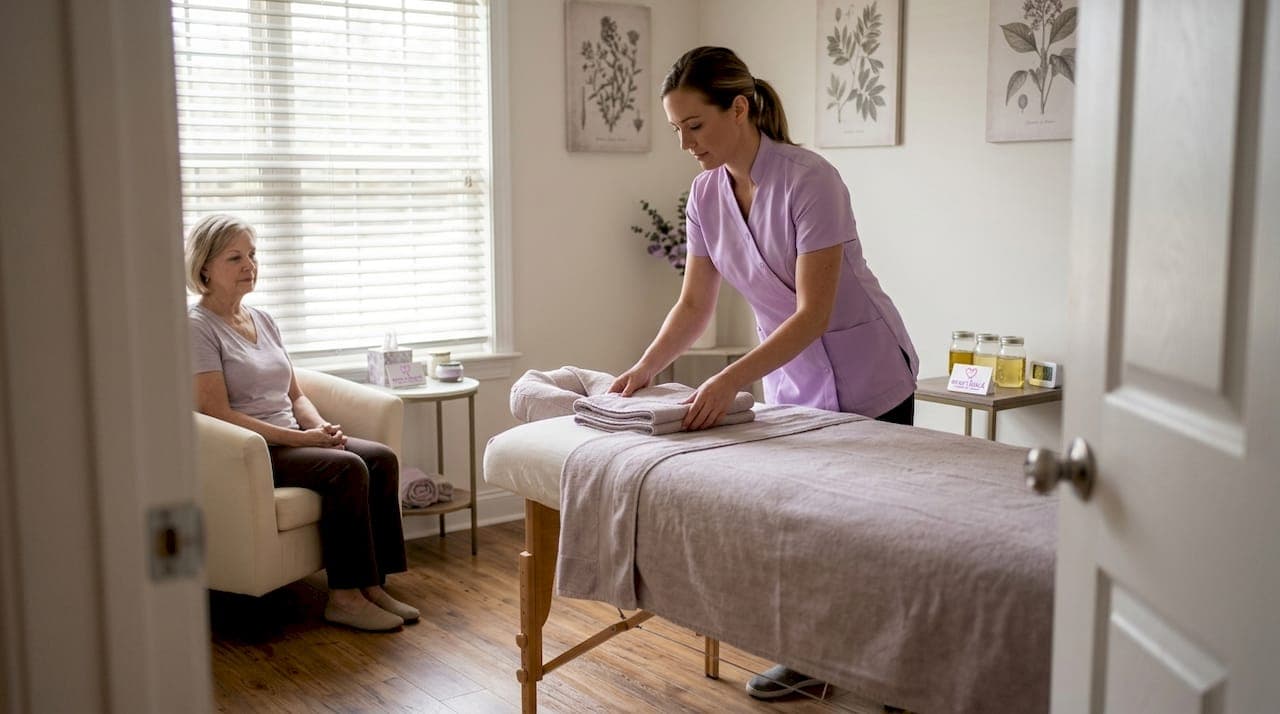
Choosing the right therapeutic approach when you're living with chronic pain, carrying persistent stress, or recovering from an injury can feel overwhelming. Austin offers no shortage of wellness options, but massage therapy stands apart because its benefits are grounded in measurable biological change, not just anecdote. Whether you're dealing with lower back pain that won't quit, anxiety that follows you home from work, or the physical demands of pregnancy, understanding exactly what massage can do for your body helps you make a confident, informed choice.
Table of Contents
- How massage therapy works: The science behind the benefits
- Chronic pain relief: The top reason people seek massage
- Stress and anxiety reduction: More than just relaxation
- Injury recovery and sports performance
- Prenatal support: Massage for expecting parents
- Side-by-side: Quick comparison of massage benefits
- Why a one-size-fits-all massage doesn't exist
- Ready to experience the benefits? Your Austin massage experts are here
- Frequently asked questions
Key Takeaways
| Point | Details |
|---|---|
| Chronic pain relief | Routine massage sessions can significantly reduce pain from common conditions. |
| Stress and anxiety reduction | Massage therapy lowers stress hormones and improves mood, sometimes as well as psychotherapy. |
| Supports injury recovery | Athletes and those recovering from injury benefit from improved muscle repair and reduced soreness. |
| Helps during pregnancy | Certified prenatal massage relieves discomfort and may improve preterm and birth outcomes. |
| Personalized approach matters | Massage is most effective when part of a holistic, individualized care plan. |
How massage therapy works: The science behind the benefits
Before exploring specific benefits, it helps to understand what actually happens in your body during a skilled massage session. Many people assume it's purely about relaxation. It's not. Professional massage creates real, measurable shifts in your nervous system, hormones, and circulation.
Here's what's happening beneath the surface:
- Nervous system regulation: Massage activates your parasympathetic nervous system, which is the "rest and digest" mode that counters chronic stress responses.
- Hormone shifts: Cortisol (your primary stress hormone) drops, while oxytocin, serotonin, and dopamine increase, directly improving mood and reducing anxiety.
- Circulation boost: Improved blood flow delivers more oxygen and nutrients to muscle tissue while clearing metabolic waste.
- Pain signal interruption: Through the gate control mechanism, massage can literally block pain signals from reaching the brain.
Research confirms that massage reduces chronic pain through endorphin release, improved circulation, reduced inflammation, and neuromuscular modulation. These aren't vague claims. They're specific, documented pathways that explain why people leave sessions feeling genuinely different.
Statistic spotlight: A single massage session can produce a 20 to 30% drop in cortisol, along with measurable increases in serotonin and dopamine. That's a significant hormonal shift from one appointment.
Understanding the science of tension relief makes it easier to see why massage is increasingly integrated into medical and wellness care plans rather than treated as a luxury.
Pro Tip: Always look for a therapist who adjusts pressure and technique based on your specific body and goals. A session tailored to your nervous system and tissue type will always outperform a generic approach.
Chronic pain relief: The top reason people seek massage
For many people in Austin, chronic pain is the reason they finally book a session. Whether it's lower back pain from long hours at a desk, osteoarthritis in the knees, or the full-body ache of fibromyalgia, persistent pain is exhausting in ways that go beyond the physical.
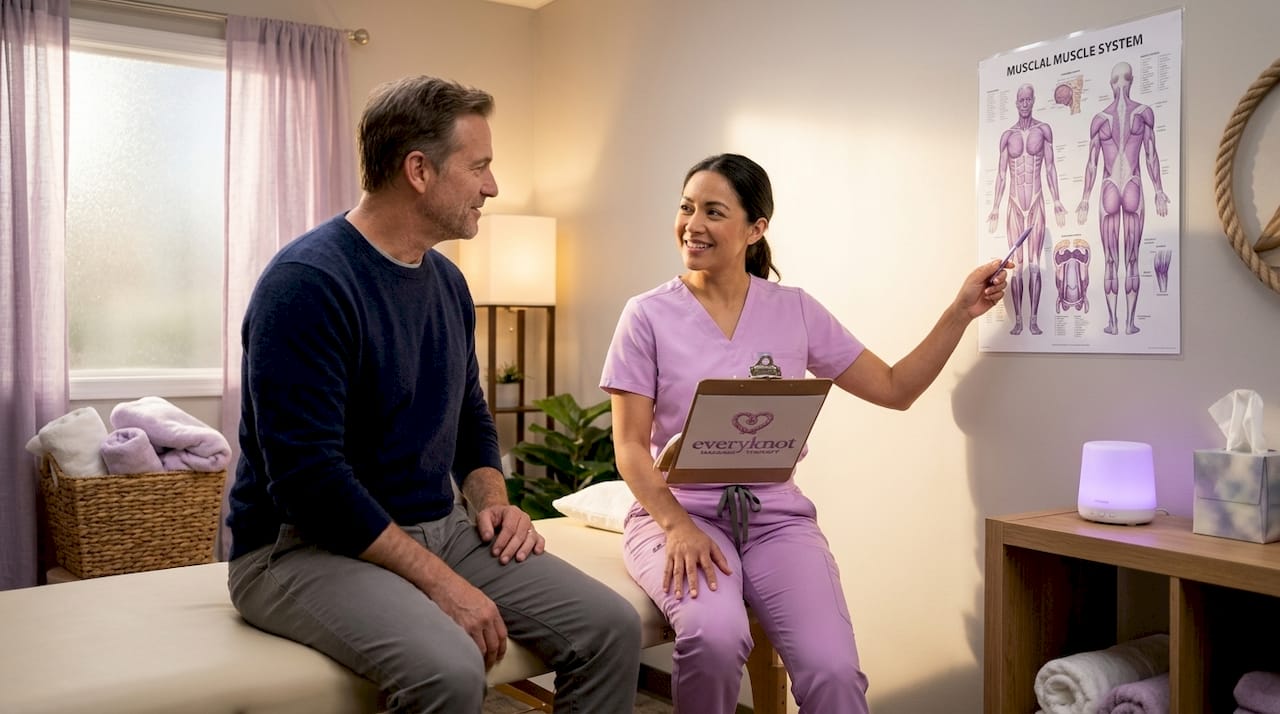
The research on massage and chronic pain is genuinely encouraging. Randomized controlled trials (studies where participants are randomly assigned to treatment or control groups) show meaningful reductions in both pain intensity and pain-related disability. Massage reduces chronic pain through several overlapping mechanisms, including endorphin release (your body's natural painkiller), improved local circulation, and reduced inflammation in affected tissues.
Key conditions where massage shows consistent benefit include:
- Lower back pain: One of the most studied areas, with multiple RCTs showing reduced pain scores and improved function.
- Osteoarthritis: Particularly in the knee, massage reduces stiffness and improves range of motion.
- Fibromyalgia: Regular sessions help reduce widespread pain sensitivity and improve sleep quality.
- Sciatica: Targeted work along the piriformis and surrounding muscles can relieve nerve compression and radiating pain.
"Pain is not just a physical experience. It affects your sleep, your mood, your ability to work and connect. When massage helps your nervous system feel safe enough to let go of that tension, the relief can be profound."
The key word in all of this is consistency. A single session can provide meaningful short-term relief, but the cumulative effect of regular massage is where lasting change happens. Exploring massage as supportive therapy alongside other treatments gives you the best foundation for managing chronic pain over time.
Pro Tip: If you're managing chronic pain, aim for weekly or bi-weekly sessions for at least four to six weeks before evaluating your results. Sporadic sessions are helpful but won't deliver the same sustained improvement.
Stress and anxiety reduction: More than just relaxation
For many Austin residents, stress is the presenting complaint. Work pressure, family demands, and the general pace of modern life accumulate in the body in ways that feel impossible to shake. Massage addresses this directly, not just by making you feel calm for an hour, but by changing the biology of your stress response.
Here's a quick comparison of what massage does to key stress markers:
| Marker | Before massage | After massage |
|---|---|---|
| Cortisol (stress hormone) | Elevated | Reduced by 20 to 30% |
| Serotonin | Lower | Measurably increased |
| Dopamine | Lower | Measurably increased |
| Heart rate variability | Reduced | Improved |
| Parasympathetic activity | Suppressed | Activated |
These changes are not subtle. The cortisol reduction and mood boost produced by massage, including oxytocin release and vagal nerve stimulation, are comparable in some clinical reviews to the effects of mild psychotherapy for anxiety. That doesn't mean massage replaces mental health care. It means it's a genuinely powerful tool in your wellness toolkit.
The downstream effects of this stress reduction are significant:
- Better sleep: Lower cortisol and higher serotonin support deeper, more restorative sleep cycles.
- Improved mood: Dopamine and serotonin increases directly influence emotional regulation.
- Greater adaptability: A regulated nervous system handles daily stressors with more resilience.
- Reduced physical tension: Jaw clenching, shoulder tightening, and headaches often ease as stress hormones drop.
Exploring how massage affects stress and mood at a biological level can help you appreciate why a regular session isn't an indulgence. It's maintenance for your nervous system.
Injury recovery and sports performance
Athletes and active individuals in Austin are increasingly turning to massage not just for recovery but as a strategic part of their training. The benefits here are specific and practical.
Massage aids injury recovery by enhancing blood flow to damaged tissue, reducing post-exercise soreness and swelling, improving flexibility, and supporting muscle repair at the cellular level. For someone returning from a soft tissue injury or managing the demands of consistent training, these effects translate into faster recovery windows and reduced injury risk.
Here's how massage compares across different recovery contexts:
| Situation | Primary benefit | Best timing |
|---|---|---|
| Post-workout soreness | Reduced DOMS (delayed onset muscle soreness) | 24 to 48 hours after exercise |
| Acute injury (mild) | Reduced swelling, improved circulation | After initial inflammation settles |
| Chronic overuse injury | Tissue mobility, pain reduction | Ongoing, as part of rehab plan |
| Pre-event preparation | Increased circulation, reduced tension | 24 hours before competition |
Important benefits for active individuals include:
- Faster clearance of metabolic waste (lactic acid and similar byproducts) from muscle tissue.
- Improved range of motion and joint flexibility, which reduces re-injury risk.
- Reduced muscle guarding, where muscles tighten protectively around an injury site.
- Better body awareness, helping athletes recognize tension before it becomes an injury.
One important note: massage works best when it's part of a broader recovery or rehabilitation plan. Combining it with physical therapy, appropriate rest, and progressive loading gives you far better outcomes than massage alone.
Pro Tip: Always tell your therapist exactly where you're sore, what sport or activity you're training for, and any recent injuries. This allows them to adjust technique and pressure in ways that support rather than stress your recovery. Exploring massage alongside holistic care plans ensures your sessions are coordinated with your overall health goals.
Prenatal support: Massage for expecting parents
Pregnancy brings profound physical and emotional changes, and massage can be a genuinely supportive tool during this time. If you're in your second or third trimester and dealing with back pain, swollen legs, disrupted sleep, or heightened anxiety, prenatal massage offers targeted, evidence-backed relief.
Here's what research and clinical guidance tell us about prenatal massage benefits:
- Back and hip pain relief: The postural shifts of pregnancy place significant strain on the lower back, hips, and sacrum. Skilled prenatal massage addresses these areas safely.
- Reduced swelling: Gentle lymphatic drainage techniques help reduce fluid retention in the legs and feet, a common and uncomfortable pregnancy symptom.
- Improved sleep quality: Lower anxiety and reduced physical discomfort translate directly into better rest, which matters enormously during pregnancy.
- Lowered stress and anxiety: Hormonal shifts during pregnancy can amplify anxiety. Massage's effect on cortisol and serotonin is particularly valuable here.
- Labor preparation: Improved circulation and reduced muscle tension can support the body's readiness for labor.
Research reviewed by the Cleveland Clinic confirms that prenatal massage relieves back and hip pain, reduces swelling, improves sleep, and lowers stress, with some studies showing associations with higher birth weight and lower preterm risk when massage is part of consistent prenatal care.
Critical note: Prenatal massage is safe from the second trimester onward when performed by a therapist certified in prenatal techniques. Always confirm your therapist's credentials and inform them of any pregnancy complications before your session.
Choosing a therapist who specializes in prenatal care is not optional. Positioning, pressure points, and technique adjustments during pregnancy require specific training. A certified prenatal massage therapist knows exactly how to keep both you and your baby safe and comfortable throughout the session.
Side-by-side: Quick comparison of massage benefits
If you're still deciding which benefit matters most for your situation, this comparison can help you match your primary need to the right focus.
| Benefit area | Who benefits most | Evidence strength | Ideal frequency |
|---|---|---|---|
| Chronic pain relief | Those with back pain, arthritis, fibromyalgia | Strong (multiple RCTs) | Weekly to bi-weekly |
| Stress and anxiety reduction | High-stress individuals, anxiety sufferers | Strong (meta-analyses) | Weekly or as needed |
| Injury recovery and sports | Athletes, post-injury rehabilitation | Moderate to strong | Around training schedule |
| Prenatal support | Second and third trimester clients | Moderate (clinical reviews) | Monthly to bi-weekly |
This table isn't meant to limit you. Many clients come in for one reason and discover benefits across multiple areas. Pain relief and stress reduction, for example, are deeply connected, and addressing one often supports the other.
Why a one-size-fits-all massage doesn't exist
Here's something the wellness industry doesn't always say clearly: massage research, while genuinely promising, has real limitations. And understanding those limitations actually helps you get better results.
Cochrane reviews, which are among the most rigorous in medical research, note that massage's benefit for acute neck pain versus sham treatment is limited, and that methodological inconsistencies across studies make some claims harder to generalize. In other words, massage is a safe and effective adjunct therapy, but it is not a standalone cure, and it doesn't work identically for everyone.
Similarly, a review published in Springer found that while massage shows strong short-term benefits for pain and stress relief, long-term performance outcomes are less consistent, and much of the muscle repair evidence comes from animal studies rather than large-scale human trials. This doesn't diminish massage's value. It contextualizes it.
What this means for you practically is this: the clients who get the most from massage are the ones who treat it as part of a broader holistic care approach rather than a magic fix. They communicate openly with their therapist about what's working and what isn't. They integrate massage with physical therapy, appropriate movement, stress management, and medical care when needed. They show up consistently rather than sporadically.
The most effective massage isn't the one with the most pressure or the longest duration. It's the one that's customized to your body, your history, and your goals, delivered by a therapist who listens as carefully as they work.
Pro Tip: Before your session, write down your top two or three goals. Share them with your therapist. This simple step transforms a good massage into an intentional, targeted session that actually moves the needle on your health.
Ready to experience the benefits? Your Austin massage experts are here
If you've been living with chronic pain, carrying stress in your body, or navigating a season of physical change like pregnancy or athletic recovery, you don't have to keep managing it alone.
At EveryKnot Massage in Austin, Caitlin brings certified expertise across multiple modalities, including deep tissue, prenatal massage, injury recovery, and assisted stretching, to create sessions that are genuinely customized to your body and goals. Every session is intentional. Every technique is chosen with your specific needs in mind. Whether you're seeking relief from persistent pain, a reset for your nervous system, or supportive care during pregnancy, EveryKnot offers a calm, skilled, and deeply human approach to therapeutic massage. Book your session today and let the research-backed benefits become something you actually feel.
Frequently asked questions
Is massage therapy safe for all chronic pain conditions?
Massage is generally safe for most chronic pain conditions, including low back pain and fibromyalgia, but it works best as a complement to medical care rather than a replacement for it. Always inform your therapist of any diagnosed conditions before your first session.
How quickly will I feel the benefits of massage for stress relief?
Most people notice a meaningful reduction in stress and anxiety after just one session, often within hours. Research shows a 20 to 30% cortisol reduction post-session, with mood-boosting hormone increases that can last well beyond the appointment.
Can massage therapy speed up injury recovery for athletes?
Yes. Massage enhances blood flow and reduces soreness and swelling, which supports faster recovery, especially when combined with physical therapy and appropriate rest. The timing and technique of your sessions matter, so work with a therapist who understands athletic recovery.
Is prenatal massage really beneficial during pregnancy?
Research supports prenatal massage for relieving back pain, reducing swelling, and lowering stress, with benefits documented by the Cleveland Clinic for both mother and baby outcomes. It's safe from the second trimester onward when performed by a certified prenatal massage therapist.
Should massage be my only form of treatment?
Massage is most effective as a supportive, integrative therapy. Cochrane evidence confirms it's a safe adjunct but not consistently superior to other treatments when used alone long-term. Pair it with other appropriate care for the best results.