
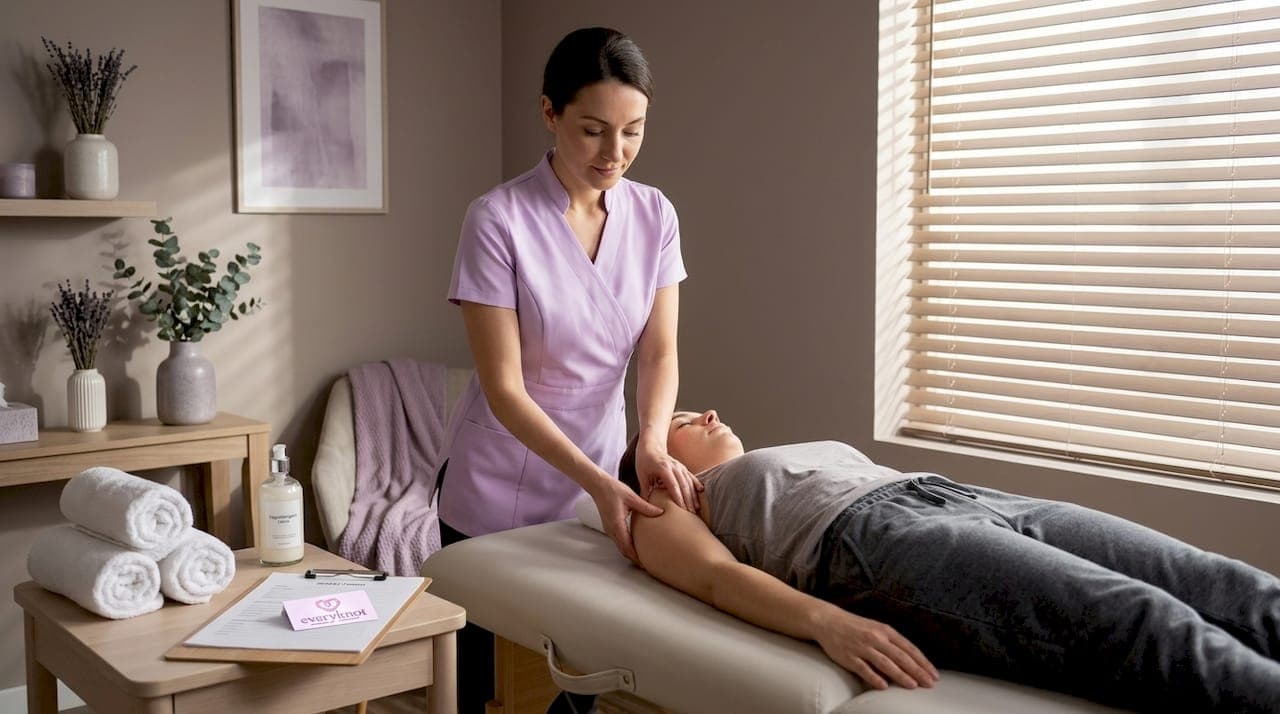
Massage therapy carries a reputation that doesn't quite do it justice. Most people assume it's a luxury, a way to unwind after a stressful week, something you treat yourself to on a birthday. But the reality is far more meaningful. Research consistently shows that skilled, intentional massage work can reduce chronic pain intensity, support injury recovery, ease pregnancy-related discomfort, and help athletes bounce back faster between training sessions. If you've been living with persistent tension, a nagging injury, or stress that won't seem to leave your body, understanding what a massage therapist actually does could change how you approach your care.
Table of Contents
- What is a massage therapist?
- Core methodologies and techniques
- Massage therapy for pain relief, stress reduction, and recovery
- Limitations, scientific nuances, and considerations
- A practical perspective: What most guides miss about massage therapists
- Explore Austin's personalized massage therapy solutions
- Frequently asked questions
Key Takeaways
| Point | Details |
|---|---|
| Beyond relaxation | Massage therapy provides evidence-backed relief for chronic pain, stress, athletes, pregnancy, and injuries. |
| Personalized approach | Techniques and sessions are tailored to each client’s history and needs for optimal impact. |
| Works best as adjunct | Massage therapy shows the greatest effectiveness when combined with other treatments and exercise. |
| Safety and specialization | Trained therapists adapt their approach, ensuring safety for pregnant clients and those recovering from injuries. |
| Seek certified professionals | Choosing a licensed therapist with specialist training maximizes results and reduces risks. |
What is a massage therapist?
With so many wellness services available in Austin, it helps to be clear about who a massage therapist is and what distinguishes their work from a simple rubdown at a spa.
A massage therapist is a licensed or certified professional who performs therapeutic massages on muscles and soft tissues to promote healing, relieve pain, and reduce stress. That distinction matters. Licensed therapists have completed formal education, passed state certification exams, and are trained to assess musculoskeletal issues rather than simply apply pressure to the body.
In Texas, licensure requires a minimum of 500 hours of supervised training, covering anatomy, physiology, pathology, and hands-on clinical practice. A licensed massage therapist knows which techniques to use for specific conditions, when to avoid certain areas, and how to adapt pressure and positioning based on your health history. This is a meaningful difference from unlicensed practitioners.
Here's what a qualified massage therapist does that goes beyond relaxation:
- Evaluates your posture, movement patterns, and areas of pain or restriction
- Develops a customized session plan based on your specific goals
- Applies techniques that target soft tissue dysfunction, not just surface-level tension
- Monitors your response during the session and adjusts accordingly
- Recommends session frequency and self-care strategies between visits
Pro Tip: Before booking your first session, ask the therapist about their license status, their training hours, and which conditions they have experience treating. A skilled therapist will welcome those questions.
When you work with massage therapy in Austin that's rooted in actual clinical training, the sessions feel different. There's a clear sense that the therapist understands your body and is working toward something meaningful.
Core methodologies and techniques
Once you understand the credentials behind the work, it's easier to appreciate how diverse and adaptable a massage therapist's skill set really is.
Types of massage are not interchangeable. Each modality targets different tissues and serves different goals. According to detailed massage therapist role descriptions, the primary techniques used in therapeutic practice include Swedish, deep tissue, sports, prenatal, myofascial release, trigger point therapy, and Thai massage. Each one has a specific purpose and application.
Here's how the most common modalities compare:
| Technique | Primary focus | Best suited for |
|---|---|---|
| Swedish | Circulation, relaxation, light tension | Stress relief, introductory sessions |
| Deep tissue | Chronic muscle tension, adhesions | Chronic pain, desk workers, postural issues |
| Sports massage | Performance, recovery, flexibility | Athletes, pre/post event, injury prevention |
| Prenatal | Pregnancy-specific positioning, back and pelvic pain | Pregnant women, swelling, sciatic discomfort |
| Myofascial release | Fascial restrictions, connective tissue | Fibromyalgia, widespread tension, post-surgery |
| Trigger point | Localized muscle knots and referred pain | Headaches, shoulder pain, hip tension |
| Thai/assisted stretching | Mobility, joint range of motion | Stiffness, athletes, desk-related restriction |
A skilled therapist doesn't pick one method and apply it to everyone. Your session is built around you. If you're recovering from a hamstring strain, you'll receive something very different from a client managing pregnancy-related back pain, even if you're both looking for relief.
Here's what a thoughtfully customized session typically involves:
- A detailed intake conversation about your history, current complaints, and goals
- A brief postural or movement assessment to identify contributing patterns
- A primary technique selected based on tissue condition and client tolerance
- Integrated secondary techniques where needed, such as trigger point work within a deep tissue session
- Closing with lighter strokes or passive stretching to ease the nervous system down
- Verbal check-in and home care recommendations before you leave
Pro Tip: Share your full health history before your session, including past injuries, surgeries, medications, and any conditions like diabetes or high blood pressure. This helps your therapist personalize the work and keep you safe.
Session length matters too. A 30-minute session can address a focused area effectively. A 60 to 90-minute session allows for broader therapeutic work across multiple regions. For athletes during heavy training blocks, shorter and more frequent sessions often produce better results than infrequent long ones.
Massage therapy for pain relief, stress reduction, and recovery
With the methods outlined, let's look at what the research actually shows about outcomes. The data is more specific than most people expect.
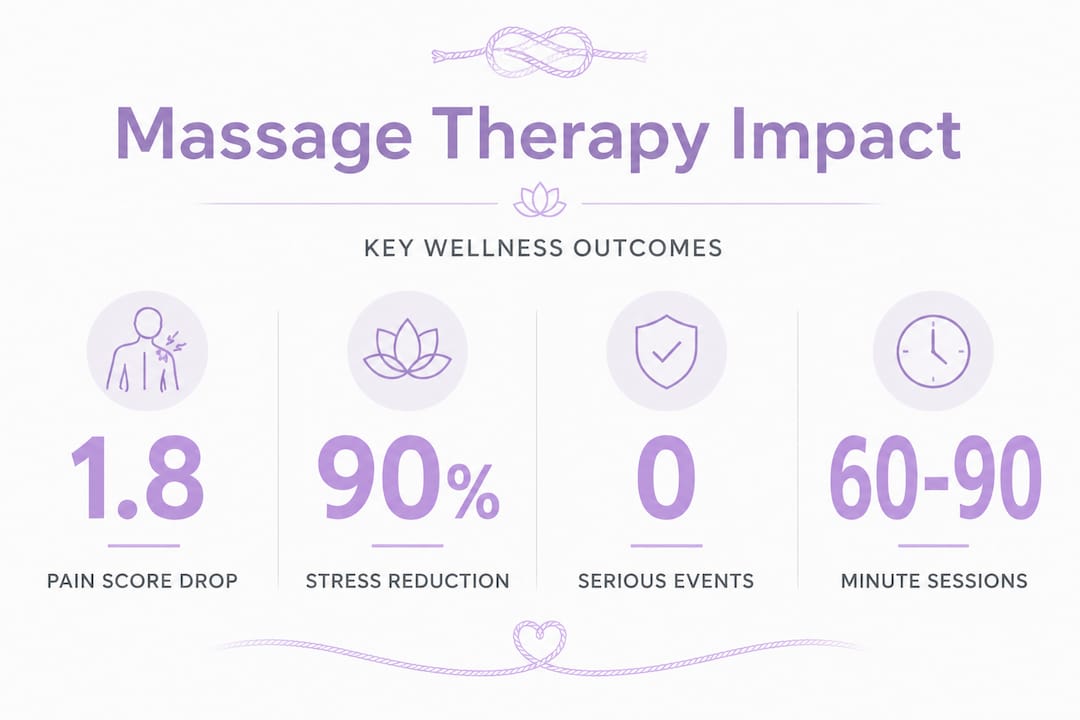
For people managing chronic pain and stress, massage reduces pain intensity and associated disability. It works best as an adjunct to exercise and movement-based care rather than in isolation. Short-term gains are well documented, and regular sessions appear to compound those benefits over time.
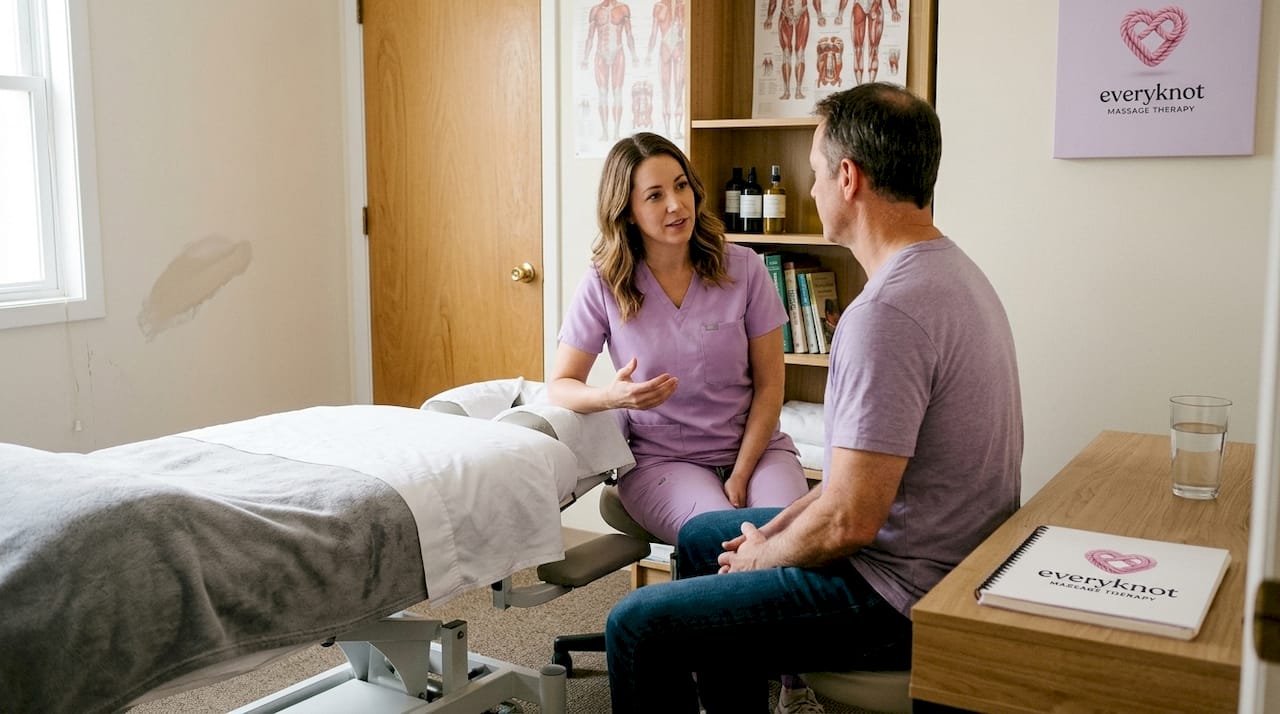
For athletes and people recovering from injuries, the numbers are notable: pain reduction averaging 1.8 points on the Visual Analog Scale (a standard pain measurement tool), range of motion improvements averaging 12.4 degrees, and faster recovery when sessions occur two to three times per week at 15 to 30 minutes per session. These aren't small effects. For a runner preparing for a race or a cyclist managing training load, those gains translate directly into performance and injury resilience.
For pregnant clients, massage reduces back and pelvic pain compared to usual care, decreases swelling in the lower extremities, and lowers stress hormone levels. Evidence quality is rated moderate, which reflects the challenge of conducting controlled studies during pregnancy, not a lack of effect.
A few outcome benchmarks worth knowing:
- Pain reduction: Clinically meaningful reductions in chronic pain intensity with consistent sessions over four to six weeks
- Range of motion: Average gains of over 12 degrees in restricted joints with sports and deep tissue work
- Swelling: Measurable decreases in limb circumference with prenatal and post-injury lymphatic-focused techniques
- Stress markers: Reductions in cortisol and self-reported anxiety following single sessions
Massage therapy is not a passive experience. The outcomes you get are influenced by how consistently you attend, how clearly you communicate with your therapist, and how well you support the work between sessions with movement, hydration, and rest.
No serious adverse events have been documented in studies with properly trained therapists following clinical guidelines. This is an important point for anyone hesitant about massage after an injury or during pregnancy. When the therapist is skilled and your history is shared, the work is both effective and safe.
Limitations, scientific nuances, and considerations
Having established the value, it's important to set realistic expectations. Massage therapy is powerful, but it's not unlimited in what it can do, and the research has some important nuances.
One consistent finding in the literature is that massage often performs well compared to usual care but shows more mixed results when compared against sham treatment (a placebo-style massage with no therapeutic intent). This doesn't mean massage doesn't work. It suggests that the therapist's presence, attunement, and the physical contact itself all contribute to the outcome, and that's not a flaw. It's a feature worth understanding.
Other important nuances:
- Technique variability: Studies use different methods, durations, and populations, making direct comparisons difficult
- Dosing matters: One session rarely resolves chronic issues. Consistent sessions over weeks produce more reliable outcomes
- Adjunct therapy: Massage works best alongside movement, physical therapy, or self-care practices, not as a standalone cure
- Specialist knowledge: Certain conditions (osteoporosis, blood clots, skin infections, acute fractures) require therapist awareness and may need medical clearance first
- Individual response: Some clients respond immediately; others need several sessions before significant change occurs
"Most experts in musculoskeletal care recommend blending massage with intentional movement. The two reinforce each other in ways that neither achieves alone." This reflects a growing consensus that massage is a meaningful tool within a broader care plan, not a replacement for one.
If you've tried massage before and felt it didn't help, it's worth asking whether the session was genuinely tailored to your condition, whether the therapist had relevant training, and whether you attended consistently enough to see cumulative effects. These factors shape outcomes significantly.
A practical perspective: What most guides miss about massage therapists
Most articles about massage therapy focus on technique lists and general benefit claims. What they miss is the human element that actually determines whether a session helps or doesn't.
A truly skilled massage therapist asks questions that go beyond "where does it hurt?" They want to know how long the pain has been present, what makes it better or worse, whether your sleep is affected, and what you've already tried. That intake process shapes everything. Without it, the session is a guess.
As Cleveland Clinic research supports, personalized, evidence-supported therapy is what makes massage genuinely useful for adults managing chronic pain, athletes, pregnant women, and those recovering from injuries. The mechanics matter: varied techniques applied to soft tissues produce real, measurable changes in tissue quality, circulation, and nervous system tone. But the personalization is what makes those mechanics land correctly.
Austin has a particularly active and health-conscious population. Runners training for the Austin Marathon, pregnant women navigating their third trimester in the Texas heat, office workers with years of postural strain, and weekend athletes pushing limits on the trails. These aren't one-size-fits-all needs. The therapists serving this community are often more specialized and more experienced with diverse presentations than therapists in less active markets.
Here's what we believe most guides get wrong: they treat massage like a service you receive rather than a relationship you build. The best outcomes come when you return consistently to a therapist who knows your history, tracks your progress, and adjusts the work based on how your body responds over time. A single session can feel remarkable. A consistent series of sessions can genuinely shift a pattern that's been locked in for years.
Pro Tip: Look for a therapist who asks detailed questions at every session, not just the first one. Pain patterns change, and a good therapist updates the treatment plan to match.
Explore Austin's personalized massage therapy solutions
If what you've read here resonates, the next step is finding a therapist in Austin who brings this level of care and clinical intention to every session.
At EveryKnot Massage Austin, Caitlin offers deeply personalized sessions for adults navigating chronic pain, stress, pregnancy, athletic recovery, and injury rehabilitation. Her approach blends evidence-backed techniques with intuitive, attentive care, creating sessions that address the physical and help your nervous system feel safe enough to truly let go. Whether you're dealing with sciatica, tension headaches, post-event soreness, or the demands of a growing pregnancy, you'll find sessions tailored specifically to where you are. Reach out today to learn which service fits your needs and take a meaningful step toward feeling better in your body.
Frequently asked questions
What qualifications should a massage therapist have in Texas?
Massage therapists in Texas should hold a state license, typically requiring 500 or more hours of training and passing a certification exam focused on therapeutic massage of muscles and soft tissues.
How is massage therapy personalized for athletes, pregnant women, or injury recovery?
Massage therapists adjust techniques, session length, and pressure based on your medical history, injuries, pregnancy status, or athletic recovery needs, drawing from specialized methodologies like prenatal, sports, and deep tissue work.
Is massage therapy effective for chronic pain or stress?
Research shows massage can reduce pain intensity and disability, especially when used as an adjunct to exercise or physical therapy rather than as a standalone treatment.
Are there any risks or who should avoid massage therapy?
Massage is generally safe with a trained therapist, but you should avoid deep work during acute inflammation or immediately after major injury, and always disclose medical conditions so your therapist can adjust appropriately.
What makes an Austin massage therapist unique?
Austin therapists often specialize across a broad range of client needs including chronic pain, pregnancy, and athletic performance, offering personalized, evidence-supported sessions suited to an active and health-focused community.