
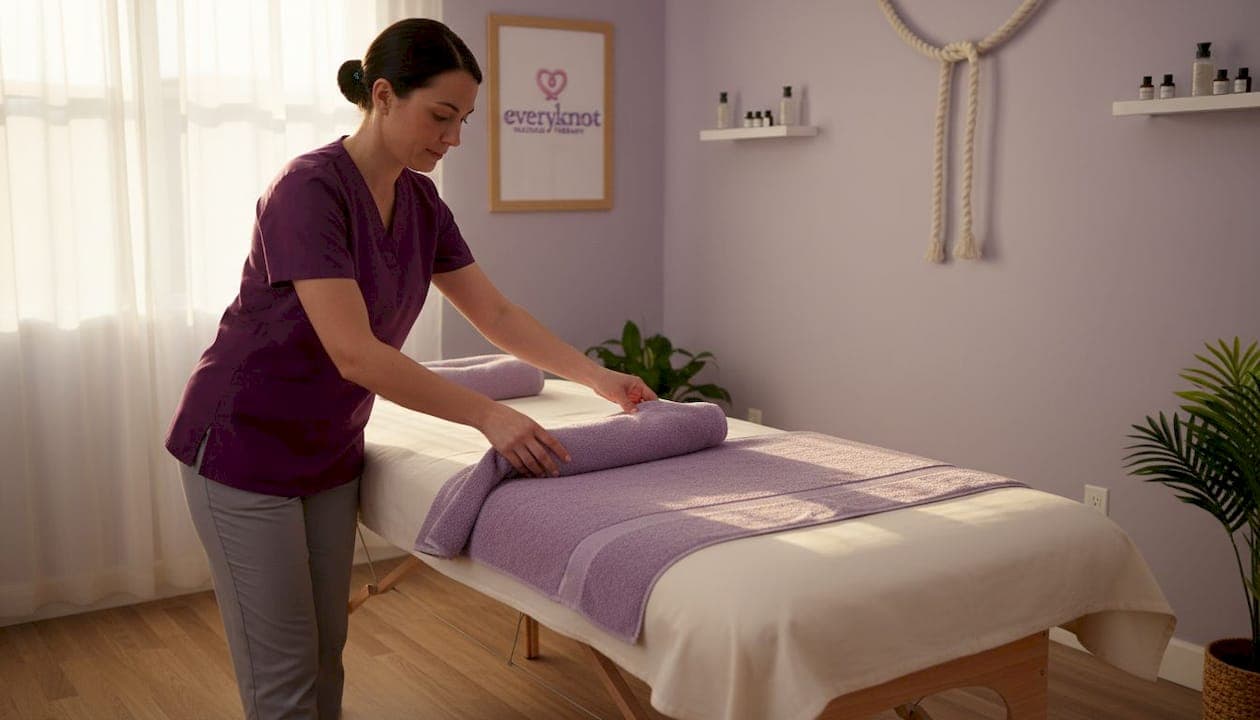
Most people think of massage as a way to loosen tight muscles and take the edge off a stressful week. But massage for emotional release explained properly goes much deeper than that. Your body stores unresolved stress, grief, and trauma in your muscles and fascia, and skilled touch can unlock what years of talk therapy sometimes cannot reach. This guide breaks down the science, the techniques, what you will feel during a session, and how to choose the right therapist so you can approach this process feeling informed, safe, and ready to heal.
Table of Contents
- Key takeaways
- How emotions get stored in the body
- Types of emotional release massage techniques
- What to expect during a session
- Benefits and challenges to understand
- How to choose the right therapist
- My perspective on what most people get wrong
- Experience intentional healing at Everyknotmassage
- FAQ
Key takeaways
| Point | Details |
|---|---|
| Emotions live in your body | Stress responses like fight-or-flight leave physical tension in muscles and fascia that massage can address directly. |
| Crying or trembling is healthy | Emotional reactions during massage signal your nervous system shifting into a calmer, parasympathetic state. |
| Technique choice matters | Deep tissue, craniosacral, and jaw release techniques each work differently, and matching the right one to your needs improves outcomes. |
| You stay in control | You set all boundaries before and during every session, including pressure level, clothing comfort, and when to stop. |
| Moderate pressure works best | Gentle, sustained pressure typically produces better emotional and physical release than painful, aggressive deep work. |
How emotions get stored in the body
Most people assume emotions are entirely mental. They are not. When you experience fear, grief, or prolonged stress, your nervous system activates a fight-or-flight response. Your muscles contract, your breathing shortens, and your body braces for threat. When the threat never fully resolves, that physical bracing can become your default state.
The fascia, which is the connective tissue wrapping every muscle, organ, and nerve in your body, is especially prone to holding this chronic tension. Over time, areas like your shoulders, jaw, hips, and chest can accumulate layers of tightness that feel structural but are actually rooted in unresolved stress. This is what practitioners mean when they refer to emotional release through massage.
The vagus nerve is central to understanding why massage helps. This nerve runs from your brainstem through your chest and abdomen, and it regulates your body's stress and recovery cycle. Massage stimulates the ventral vagus nerve, leading to muscle relaxation, improved mood, and better emotional regulation. When a therapist applies intentional pressure to chronically tense areas, they are essentially giving your nervous system permission to shift gears.
Here is what that physiological process looks like in practice:
- Chronic stress keeps your sympathetic nervous system dominant, keeping muscles braced and your body on alert
- Massage interrupts that cycle by activating the parasympathetic response, sometimes called "rest and digest"
- As the nervous system down-regulates, stored tension in muscles and fascia begins to release
- Physical reactions like trembling, spontaneous sighing, or crying can follow naturally
"Crying or trembling signals the fight-or-flight barrier dropping and is a healthy sign of nervous system shift. It is not an emotional failure."
Understanding this physiology matters because it removes the stigma. You are not "losing it" on the table. Your body is doing exactly what it is designed to do when safety is finally restored.
Types of emotional release massage techniques
Not all massage is created equal when it comes to emotional work. Different techniques access different layers of tissue and different aspects of nervous system response. Here is how the most common approaches compare.
| Technique | Primary mechanism | Best suited for | Caution |
|---|---|---|---|
| Deep tissue massage | Targets deeper muscle layers and fascia | Chronic tension, stress held in large muscle groups | Avoid overly painful pressure; moderate is more effective |
| Craniosacral therapy | Gentle pressure on skull and sacrum; calms nervous system | Trauma, anxiety, sensitivity to strong pressure | Requires specialized training to perform safely |
| Somato-emotional release | Combines craniosacral with somatic awareness to release stored trauma | Long-term emotional tension, PTSD support | Should be paired with professional mental health care when trauma is severe |
| Jaw release therapy | Addresses facial muscles and fascia holding chronic stress | Jaw clenching, headaches, fight-or-flight symptoms | Can trigger strong emotional responses; needs a skilled, calm therapist |
Deep tissue massage accesses deeper muscle and fascia layers where much of the long-term stress accumulates. When applied with intention, it can produce noticeable emotional shifts alongside the physical relief. Jaw release therapy is a compelling case study. Releasing jaw tension can interrupt chronic stress mode almost immediately, relieving both pain and emotional pressure that had been locked in the face and neck.
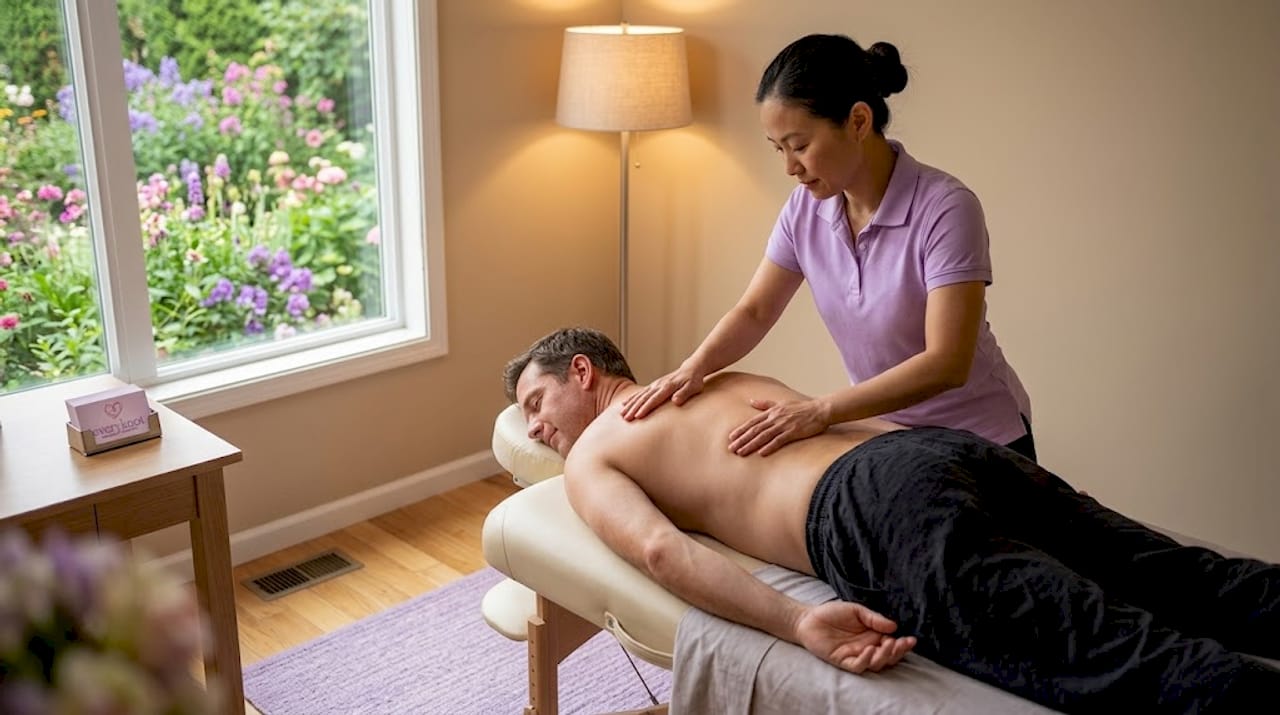
Breath awareness is woven through all of these approaches. When a therapist reminds you to breathe into an area of tension, they are supporting the nervous system shift. Techniques like compression, tapping, and gentle resistance help clients sense and release tension in a kinesthetic, body-first way, rather than analyzing their way through it.
Pro Tip: If you are new to emotional release work, craniosacral or somato-emotional release is often a gentler starting point than deep tissue. It lets your nervous system build trust with touch before you work into deeper layers.
What to expect during a session
Knowing what to expect is half the preparation. Emotional release sessions are not chaotic or unpredictable. They are intentional, client-led, and structured around your comfort.
Here is a typical progression:
- Consultation first. Before any bodywork begins, you discuss your goals, any physical conditions or emotional sensitivities, and what you want from the session. Pre-treatment consultation to clarify goals and comfort builds the trust that makes emotional release possible.
- You set the terms. You decide your clothing comfort level, the areas you want worked on, and the pressure range that feels right. Nothing proceeds without your agreement.
- The session begins slowly. A skilled therapist works gradually, warming tissue before moving into deeper work. This pacing is intentional. It gives your nervous system time to feel safe.
- Physical reactions may arise. Trembling, spontaneous sighing, or tears are common. Some people feel a wave of sadness without any clear memory attached. These are healthy, physiological responses.
- You can stop at any time. Clients can stop the session whenever they need to. A good therapist welcomes this and never pushes through resistance.
- Post-session space matters. Many therapists allow quiet time at the end so you can re-orient before getting up. You may feel calm, tired, or emotionally tender for a day or two after.
Pro Tip: Plan your schedule around the session. Avoid back-to-back commitments immediately after. Give yourself at least an hour of gentle, unstructured time to let the experience integrate.
The therapeutic relationship is the container for all of this. A therapist who brings warmth, steady presence, and no emotional agenda creates the environment where release becomes possible.
Benefits and challenges to understand
The benefits of emotional release through massage are real, and they extend well beyond the session itself. Reducing sympathetic nervous system activation through massage supports restored balance across your entire system. That translates into measurable outcomes.
Here is what consistent work tends to produce:
- Decreased muscle pain and chronic tension in the shoulders, neck, jaw, and hips
- Improved sleep quality as the nervous system stabilizes
- Mood improvement and greater emotional resilience between sessions
- Reduced anxiety and a lower baseline stress response
- Greater body awareness, which supports emotional regulation over time
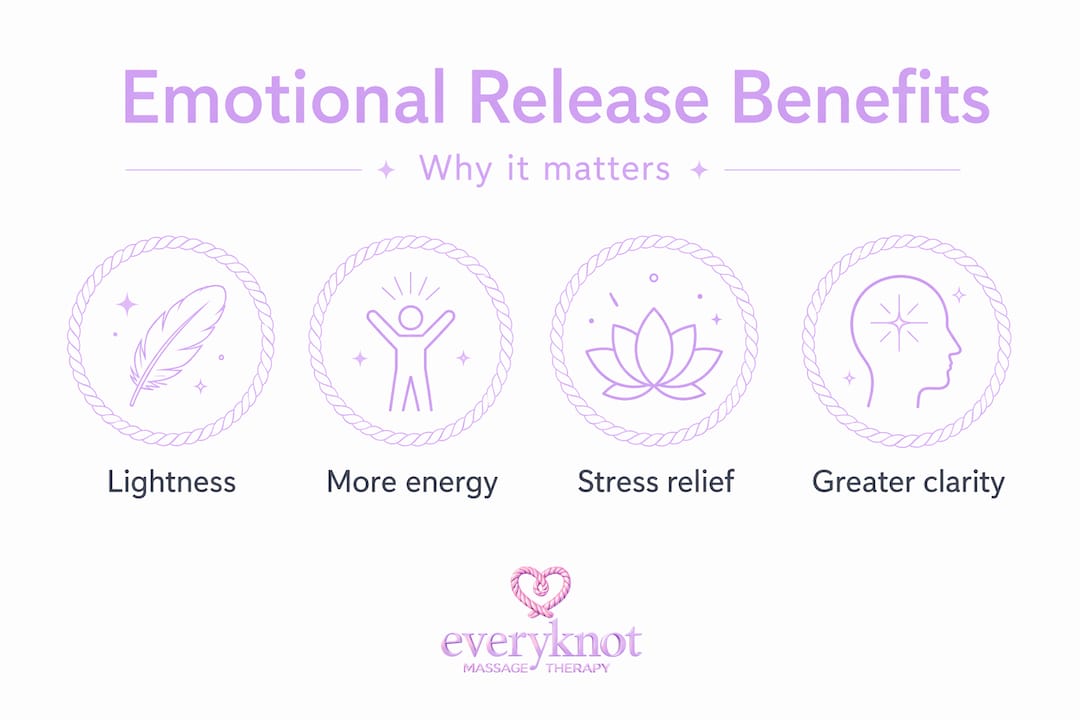
The emotional benefits deserve specific attention. Many clients describe a feeling of lightness after a session, or a sense that something they had been carrying has finally been set down. This is catharsis through physical means, and it is just as valid as any other form of emotional processing.
That said, there are a few challenges worth naming honestly.
The experience can feel confusing. You may cry without knowing why, or feel a wave of grief with no attached memory. That is normal. Emotional release often manifests physically without a clear narrative, and clients never need to apologize for that response. It is a neurophysiological event, not a psychological breakdown.
One persistent myth is that more pain equals more release. The opposite is often true. Moderate, sustained pressure down-regulates the nervous system more effectively than aggressive deep work. Painful pressure can trigger a defensive bracing response, which closes off release rather than opening it.
"You do not need to suffer through a session for it to be therapeutic. Gentleness, applied with skill and intention, often reaches places that force cannot."
Emotional release massage also works best as part of a broader self-care practice. For those supporting both physical and emotional recovery, combining massage with rest, movement, journaling, or counseling creates lasting change that a single session rarely achieves alone.
How to choose the right therapist
Choosing the right therapist for emotional release work requires more than checking Google reviews. You are trusting this person with your nervous system. Here is how to approach it with care.
- Look for specific training. Search for therapists certified in deep tissue, craniosacral therapy, somato-emotional release, or trauma-informed bodywork. These are not interchangeable with general relaxation massage.
- Ask direct questions before booking. Good questions include: "Have you worked with clients seeking emotional release?" and "How do you handle strong emotional responses during a session?"
- Trust your intake conversation. A skilled therapist listens more than they talk during the consultation. If you feel rushed or unheard before the session begins, that matters.
- Start with one session. You do not need to commit to a series before you know the therapist is a good fit. One session tells you a great deal about communication, pace, and presence.
- Plan your aftercare. Drink water, eat gently, rest if you need to, and avoid alcohol that day. Some people benefit from journaling or a short walk to help the session settle.
- Know when to seek additional support. If emotional release work surfaces trauma that feels destabilizing, working alongside a licensed therapist or counselor is the right call. Massage supports healing. It does not replace professional mental health care.
Learning to trust intuitive care means giving yourself permission to prioritize how a session feels, not just what credentials are listed on a wall.
My perspective on what most people get wrong
I have worked with clients who walked into their first emotional release session convinced they were fine. No grief, no trauma, just tight shoulders. Then we worked into the upper chest and shoulders, and twenty minutes in they were quietly crying and had no idea where it came from. That moment is not a crisis. It is a release.
What I find most in my practice is that the stigma around emotional responses during bodywork blocks healing before it even starts. People apologize for crying. They tense up the moment they feel something moving. They think needing this kind of work means something is wrong with them.
Nothing is wrong with you. Your body held those emotions because it was doing its job. Now it is safe to let go.
I have also learned that patience and moderate pressure consistently outperform aggressive technique. The clients who try to force their way to release, who ask for the hardest pressure possible because they believe they need to suffer to get better, often leave tighter than when they arrived. The nervous system responds to safety, not pain. When you create the right conditions, the body does the rest.
My advice is this: come with curiosity rather than expectation. You may cry, or you may just feel deeply relaxed. Both are exactly right.
— Caitlin
Experience intentional healing at Everyknotmassage
If this article resonates with you, you are probably ready to experience what this kind of work can do firsthand.
At Everyknotmassage, Caitlin brings a blend of deep tissue technique, energy awareness, and genuine therapeutic presence to every session. Whether you are carrying chronic stress, recovering from injury, or simply ready to explore what your body has been holding, sessions are customized to your pace and your goals. Nothing is rushed, and nothing is forced. You set the terms. Caitlin supports your nervous system in feeling safe enough to release. If you are in Austin, TX and ready to take the next step, explore massage benefits and then book a session designed around your specific needs.
FAQ
What is massage for emotional release?
Massage for emotional release is a therapeutic approach that uses intentional touch to help the body release tension connected to stress, trauma, or unresolved emotions. It works by shifting the nervous system from a stress state into a calmer, restorative state, which can produce physical and emotional responses like trembling or crying.
Can massage really help with emotions?
Yes. Massage stimulates the vagus nerve and activates the parasympathetic nervous system, which directly supports emotional regulation and mood improvement. Research confirms that reducing sympathetic nervous system activation through massage supports restored physical and emotional balance.
Why do people cry during massage?
Crying during massage is a physiological sign that the body is releasing tension held in the nervous system. It signals the fight-or-flight response dropping, not emotional weakness, and clients are never expected to apologize for or explain that response.
What type of massage is best for emotional release?
Craniosacral therapy and somato-emotional release are among the gentlest and most targeted approaches for emotional release, while deep tissue massage effectively addresses long-held muscular and fascial tension. The right technique depends on your comfort level, history, and what your body needs most.
How should I prepare for an emotional release massage session?
Arrive with an open mind and keep your schedule clear for at least an hour afterward. Discuss your goals and boundaries honestly during the intake conversation, and plan gentle self-care like hydration and rest after the session to support integration.