
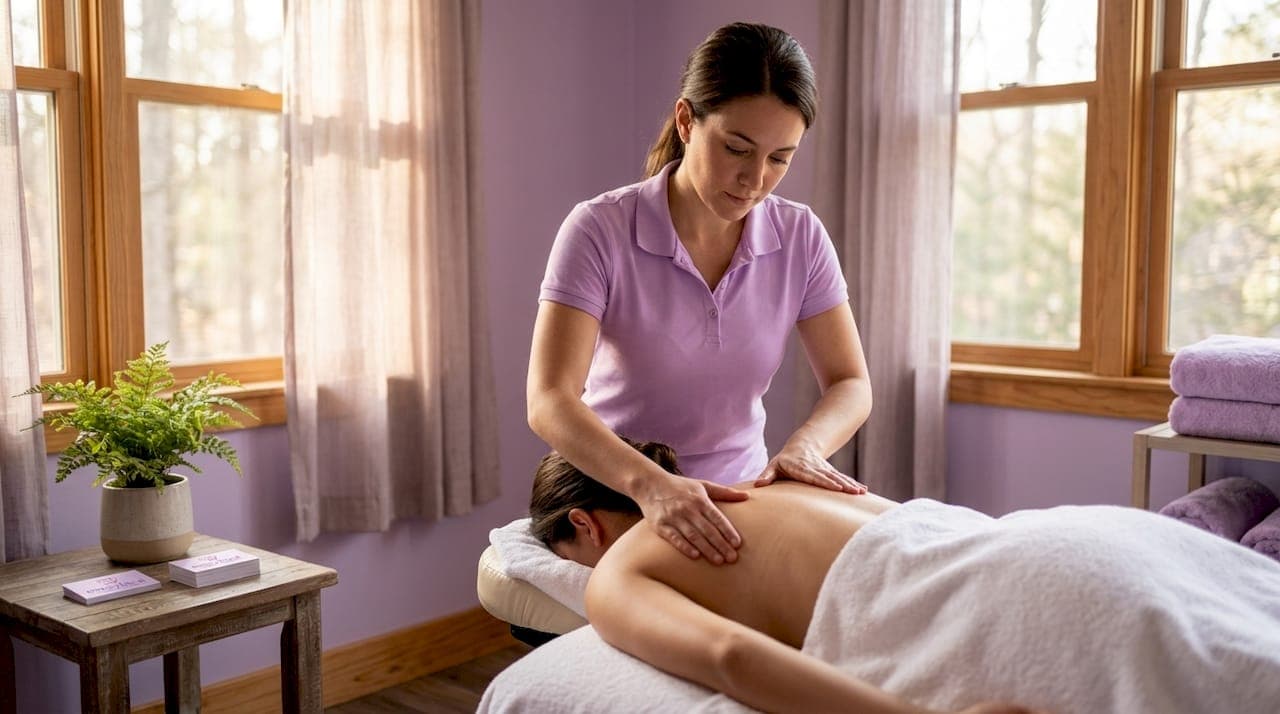
Therapeutic massage gets misunderstood more than almost any other wellness treatment. Many people assume it's just a fancier spa experience, but what is therapeutic massage, really? It's an outcome-driven manual therapy performed by licensed professionals to address specific physical conditions like chronic pain, muscle tension, injury recovery, and stress-related symptoms. Unlike a relaxation massage focused purely on comfort, therapeutic massage works with your body's soft tissues in a targeted, intentional way. This article covers what to expect, how it works, and how to decide if it's right for you.
Table of Contents
- Key takeaways
- What therapeutic massage actually is
- The real benefits of therapeutic massage
- Therapeutic massage vs. other approaches
- The therapeutic massage process, step by step
- My perspective on what actually makes therapeutic massage work
- Experience therapeutic massage at Everyknotmassage
- FAQ
Key takeaways
| Point | Details |
|---|---|
| Outcome-driven purpose | Therapeutic massage targets specific physical conditions, not just relaxation. |
| Scientific stress relief | Research shows massage can reduce cortisol levels by up to 30%, supporting real physiological change. |
| Distinct from therapeutic touch | Therapeutic touch is an energy-based practice with no physical contact; therapeutic massage directly manipulates soft tissue. |
| Session personalization matters | Effective sessions begin with a clinical assessment and clear goals tailored to your body's needs. |
| Best used as part of a plan | Therapeutic massage delivers the strongest results when combined with physical therapy or other supportive care. |
What therapeutic massage actually is
Therapeutic massage is a clinical manual therapy performed by licensed professionals specifically to address medical conditions, musculoskeletal dysfunction, and chronic pain. It is not a one-size-fits-all treatment. Sessions are designed around your body and your goals.
The work focuses on manipulating soft tissues: muscles, fascia, tendons, and ligaments. A therapist trained in therapeutic massage will assess where tension is held, where movement is restricted, and what underlying patterns might be contributing to your discomfort. That assessment informs every technique used during your session.
Here is what typically defines a therapeutic massage session:
- Duration: Sessions last 30 to 90 minutes, depending on the complexity of your needs and the areas being addressed.
- Assessment first: Your therapist evaluates posture, movement, and pain patterns before the session begins.
- Targeted techniques: Techniques like myofascial release, trigger point therapy, neuromuscular work, and deep tissue pressure are selected based on your specific condition.
- Clinical documentation: In formal settings, notes are kept and progress is tracked across sessions.
- Goal-oriented outcomes: Every session works toward a measurable improvement, whether that's reduced pain, better range of motion, or lower muscle tension.
A relaxation massage, by contrast, follows a general protocol designed to create comfort. It feels wonderful, but it isn't assessing or addressing the root cause of your tension. Therapeutic massage therapists tailor treatment to your anatomy, making it a fundamentally different experience.
Pro Tip: Before your first session, write down two or three specific goals. "My lower back locks up when I sit for long periods" is far more useful for your therapist than "I'm stressed." Specificity helps them work smarter, not just harder.
The real benefits of therapeutic massage
The benefits of therapeutic massage extend well beyond temporary relief. Research consistently shows measurable physical and psychological changes that support long-term wellness.
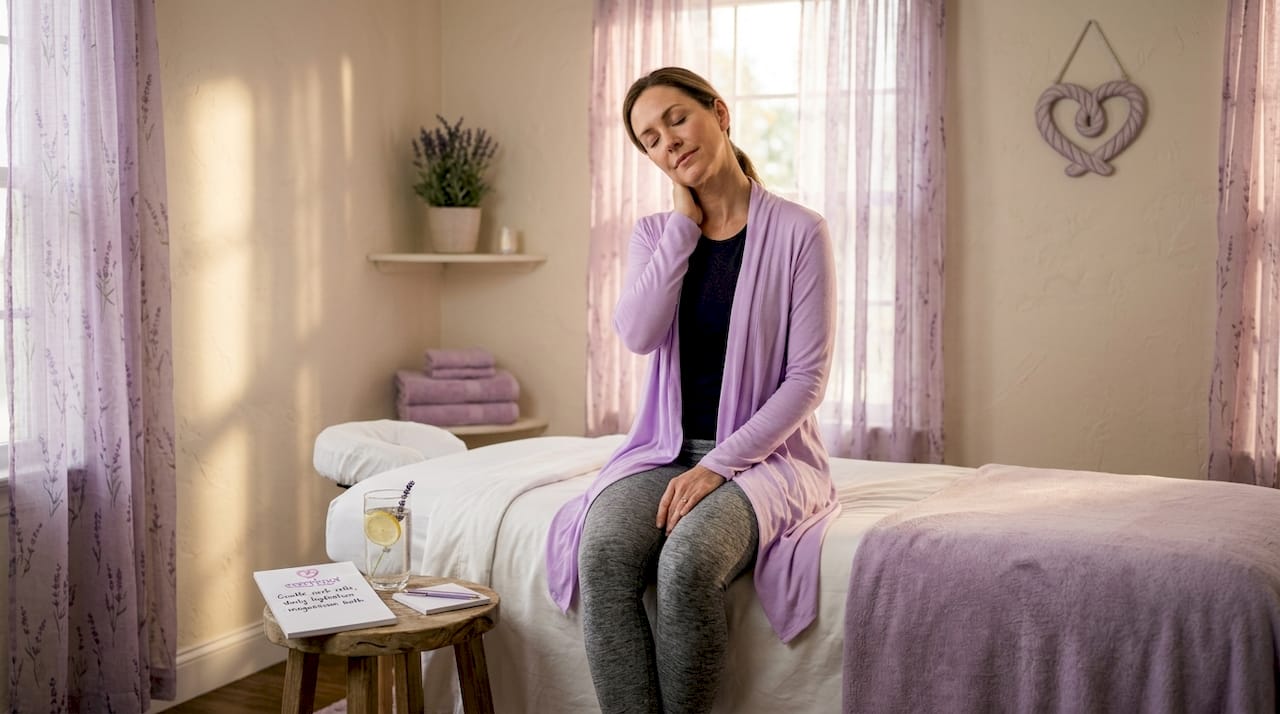
On the stress side, the evidence is striking. Massage therapy can reduce cortisol by up to 30% and improve heart rate variability within just 10 minutes of your first session. Heart rate variability is a marker of how well your nervous system adapts to stress, so that improvement matters. It means your body becomes more resilient, not just more relaxed in the moment.
For pain and physical recovery, the benefits are equally grounded. A 2025 study found that deep tissue massage improves recovery and flexibility significantly in athletes, and the underlying mechanisms apply broadly to anyone dealing with chronic muscle tension or injury. Improved circulation moves waste products out of muscle tissue faster and brings in the oxygen and nutrients needed for repair.
Key physical and mental benefits include:
- Pain reduction: Softening of adhesions and trigger points decreases localized and referred pain patterns.
- Improved range of motion: Releasing tight fascia allows joints to move through their full capacity again.
- Faster muscle recovery: Better circulation accelerates tissue healing after strain or overuse.
- Lower anxiety and improved mood: Reduced cortisol combined with increased serotonin and dopamine supports emotional regulation.
- Better sleep quality: The parasympathetic response activated during therapeutic massage supports deeper, more restorative sleep.
Therapeutic massage also works well as part of a broader care plan. It is commonly used alongside physical therapy or chiropractic care for musculoskeletal conditions because it prepares the soft tissue, making other treatments more effective. Think of it as addressing the layer of muscle and fascia so that joint work, exercise rehab, or movement training can actually land. You can explore more about these outcomes in this overview of massage therapy for pain and stress.
Therapeutic massage vs. other approaches
Understanding how therapeutic massage compares to related modalities helps you choose the right care for your situation. The three most commonly confused approaches are relaxation massage, deep tissue massage, and therapeutic touch.
| Approach | Goal | Physical contact | Clinical assessment |
|---|---|---|---|
| Relaxation massage | Comfort and general stress relief | Yes, full body | Rarely |
| Therapeutic massage | Targeted treatment of specific conditions | Yes, focused areas | Always |
| Deep tissue massage | Release of deep tension, improved mobility | Yes, high pressure | Often |
| Therapeutic touch | Energy balancing and healing | No physical contact | No |
Deep tissue massage is best understood as a subtype of therapeutic massage rather than a separate category. It applies higher pressure to relieve chronic tension and improve mobility, and it is especially common for back pain and sports injuries. When your therapist uses deep tissue techniques within a therapeutic session, they are choosing that tool because your tissue and goals call for it. More detail on this relationship is covered in deep tissue massage techniques.
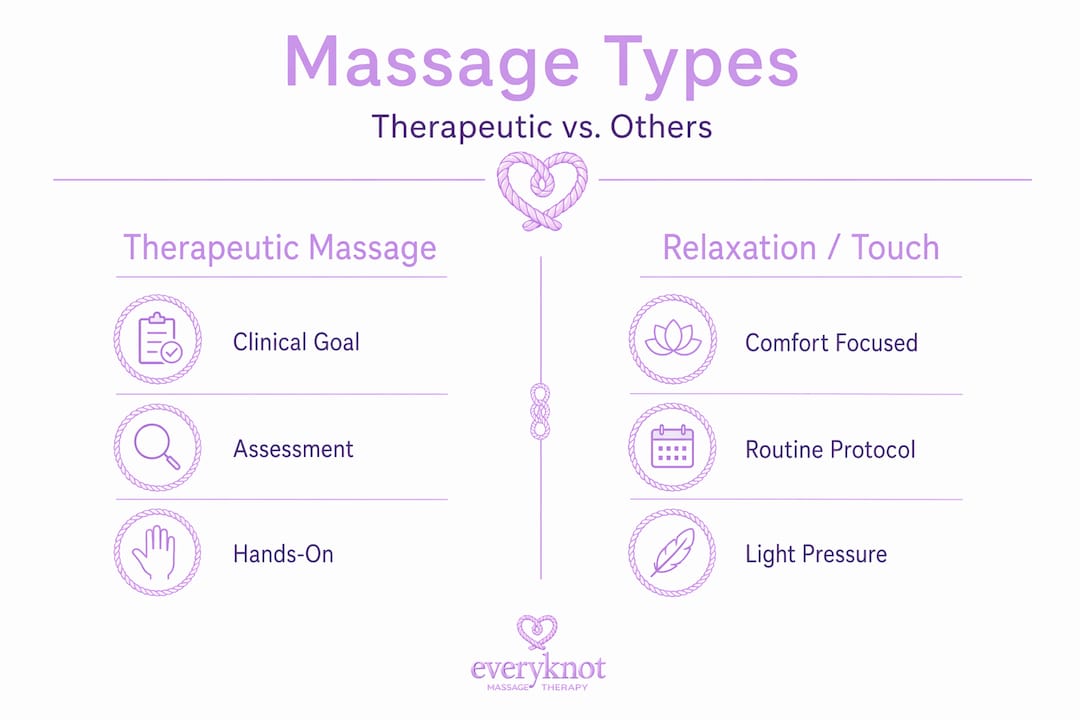
Therapeutic touch is a completely different practice. The role of therapeutic touch in wellness settings involves practitioners hovering their hands near the body without physical contact, working within a framework of biofield energy. Therapeutic touch claims lack rigorous scientific support, and understanding this distinction is critical before you book an appointment expecting hands-on tissue work. If you want physical manipulation of your muscles, you want therapeutic massage, not therapeutic touch.
The therapeutic massage process, step by step
Knowing what the therapeutic massage process looks like from start to finish helps you prepare and get more out of your sessions. Here is how a well-structured session typically unfolds:
- Intake and goal setting. Your therapist asks about your pain history, movement limitations, lifestyle factors, and what you want to accomplish. This is not just paperwork. It directly shapes the session.
- Physical assessment. The therapist observes your posture and tests range of motion to identify areas of restriction or compensation. This is where therapeutic massage separates itself from a generic rubdown.
- Technique selection. Based on the assessment, your therapist decides which tools to use: trigger point release, myofascial stretching, neuromuscular work, or deeper compression, among others.
- Active treatment. The session proceeds in a focused, methodical way. You may feel localized discomfort when the therapist works into tension points. This is normal and usually shifts quickly to relief.
- Post-session guidance. A good therapist gives you practical follow-up steps: stretches to do at home, movements to avoid temporarily, hydration recommendations, or suggestions for heat or ice application.
- Ongoing planning. Therapeutic massage sessions are personalized and often most effective in a series, not just a one-time visit. Your therapist may recommend a frequency based on your condition and goals.
During the session itself, communication is your responsibility too. Speak up if pressure feels too intense or if a specific area needs more attention. Therapists work best when they have real feedback. For a thorough look at this workflow, this step-by-step massage guide walks through the full process.
Pro Tip: Drink water before and after your session. Soft tissue work increases circulation and can release metabolic byproducts from muscle. Hydration supports faster recovery and reduces post-session soreness.
After a session, some mild soreness in treated areas is normal, particularly if deep pressure was used. It typically clears within 24 to 48 hours. That soreness signals tissue engagement, not damage. Plan lighter activity for the rest of that day if possible.
My perspective on what actually makes therapeutic massage work
In my experience, the single biggest factor in whether someone gets lasting results from therapeutic massage is whether they come in with a clear intention. I see this constantly. Clients who arrive knowing what they want to address, even if they don't have the medical terminology, give me so much more to work with. Clients who show up expecting to "just relax" often get some relief, but they miss the deeper opportunity.
The outcome-driven nature of therapeutic massage is its defining strength, and most people don't fully take advantage of it. I've found that when someone combines their sessions with consistent movement, good sleep, and sometimes physical therapy or chiropractic care, the results compound in a way that a solo session never achieves. Therapeutic massage rarely fixes a chronic problem in one visit. What it does is create the conditions for your nervous system to release patterns it has been holding onto for months or years.
I also want to be honest about what it isn't. Therapeutic massage is not a replacement for medical care when something structural is happening. It works beautifully alongside other treatments, but it is one layer of a larger picture. The clients who understand that tend to invest in their care more thoughtfully, and they see better long-term outcomes.
The most rewarding part of this work is watching someone's body remember how to move without bracing. That kind of release is quiet, but it's real.
— Caitlin
Experience therapeutic massage at Everyknotmassage
If you're in Austin, TX, and ready to feel the difference between a massage that helps you relax and one that genuinely addresses what's going on in your body, Everyknotmassage was built for exactly that.
Caitlin combines certified deep tissue techniques with an intuitive approach that listens to your tissue as much as your intake form. Whether you're managing chronic pain, recovering from an injury, or carrying months of tension in your shoulders, every session is designed around your specific needs. Services include deep tissue massage, chronic pain work, sciatica relief, prenatal massage, and injury recovery. Visit Everyknotmassage to explore services and book your first session. You can also read more about how massage eases chronic pain to understand what personalized therapeutic care can do for you.
FAQ
What is therapeutic massage in simple terms?
Therapeutic massage is a goal-oriented manual therapy performed by licensed professionals to treat specific physical conditions like chronic pain, tension, or injury. It differs from relaxation massage by including a clinical assessment and targeted techniques.
How long does a therapeutic massage session last?
Sessions typically last between 30 and 90 minutes, depending on your condition and how many areas need focused attention.
What is the difference between therapeutic massage and therapeutic touch?
Therapeutic massage involves direct, hands-on manipulation of soft tissue. Therapeutic touch involves no physical contact and is based on energy field work, making it a fundamentally different practice with different evidence levels.
Can therapeutic massage help with stress and anxiety?
Yes. Research shows massage can reduce cortisol by up to 30% and improve heart rate variability quickly, which supports both physical relaxation and nervous system resilience over time.
Should I combine therapeutic massage with other treatments?
Therapeutic massage often produces the best results when used alongside physical therapy or chiropractic care, as it prepares the soft tissue for other forms of treatment and supports a fuller recovery.