

Massage is often lumped in with spa days and birthday gifts, something nice to have but not exactly necessary. That picture misses a lot. A growing body of research shows that skilled, intentional massage therapy does real work inside the body, supporting pain relief, tissue healing, stress reduction, and even pregnancy comfort in ways that go well beyond simple relaxation. Whether you're in Austin managing chronic back pain, recovering from a sports injury, or navigating the physical demands of pregnancy, understanding what massage can genuinely do for you makes all the difference in how you use it.
Table of Contents
- Understanding massage: More than relaxation
- How massage supports chronic pain and injury recovery
- Easing stress and balancing the body
- Prenatal massage: Specialized care with real benefits
- The real impact of massage: What most miss (and what matters)
- Experience the benefits of therapeutic massage in Austin
- Frequently asked questions
Key Takeaways
| Point | Details |
|---|---|
| Massage is medical care | Research supports massage as a legitimate tool for alleviating pain, managing stress, and aiding injury recovery. |
| Short- and long-term benefits | Massage offers fast-acting relief and, when done regularly, can help your body adapt and heal over time. |
| Specialized prenatal support | Prenatal massage is a safe, effective way to manage pregnancy discomfort with expert guidance after the first trimester. |
| Results depend on approach | The best outcomes require consistency, open communication, and care tailored to your needs, not just one-off sessions. |
Understanding massage: More than relaxation
Most people walk into a massage session expecting to feel loose and calm afterward. That part is true, but it only scratches the surface of what's actually happening.
Massage exerts mechanical, reflexive, and metabolic effects, modulating autonomic balance, reducing pain, improving circulation, supporting lymphatic drainage, and increasing flexibility. In plain terms, skilled touch changes how your nervous system responds, how blood and lymph move through your tissues, and how your muscles and connective tissue behave over time.
Here is a quick picture of the main effects well-documented in research:
- Pain relief through pressure on nerve pathways and changes in how your brain processes pain signals
- Reduced muscle tension as tissue is physically worked, softened, and lengthened
- Improved circulation bringing oxygen and nutrients to tired or injured areas
- Lymphatic support to help clear inflammation and metabolic waste
- Nervous system regulation that shifts your body from a stressed, braced state toward calm and safety
- Improved mobility in joints and soft tissue that have tightened due to pain, injury, or stress
Learning about massage therapy benefits in more depth can help you decide which approach fits your situation best.
"The biggest shift for most clients is realizing that massage isn't just about feeling good in the moment. The cumulative effect of regular sessions actually changes how your body holds tension, responds to stress, and recovers from injury."
Understanding why massage matters for sustained relief, rather than just temporary comfort, helps you set realistic and meaningful goals from the start.
How massage supports chronic pain and injury recovery
Chronic pain and injury recovery are two of the most common reasons adults in Austin seek out massage therapy, and for good reason. The evidence here is among the strongest in the field.
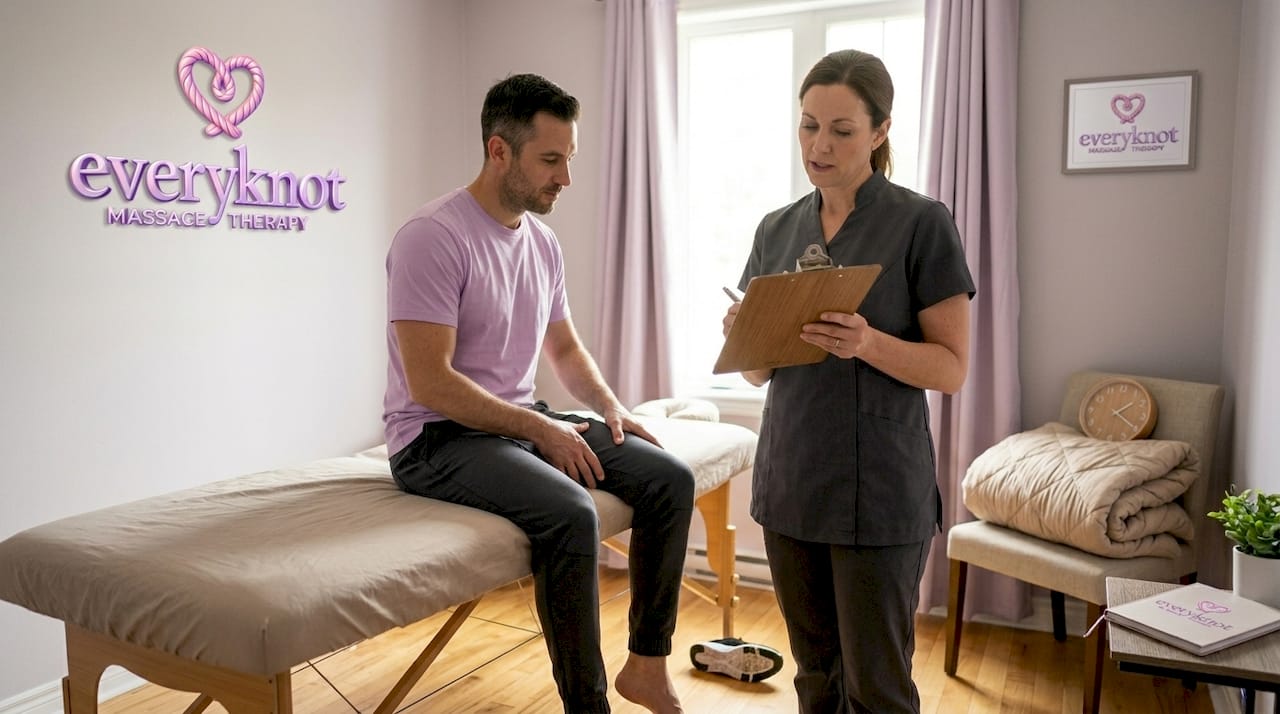
What research shows about pain relief
| Condition | Finding | Effect size |
|---|---|---|
| Chronic low back pain | Reduced pain intensity and disability short-term | MD -10.52 pain; SMD -0.60 disability |
| Fibromyalgia | Reduced pain, anxiety, and depression | Large for pain, medium for mood |
| Pregnancy-related back pain | Reduced pain vs. usual care | Moderate; limited vs. sham |
| General musculoskeletal pain | Improved function and self-reported comfort | Small to moderate |
Manual therapy including massage significantly reduces pain intensity and disability in chronic nonspecific low back pain, with measurable improvements in both short-term pain scores and functional ability. For many Austin residents dealing with desk-job posture issues, long commutes, or physically demanding work, that's a meaningful, practical result.
For fibromyalgia specifically, myofascial release massage produces large effects on pain reduction and medium effects on anxiety and depression. Fibromyalgia is notoriously difficult to manage with medication alone, which is why hands-on therapeutic approaches are increasingly valued by both clients and their care teams.
How healing unfolds after injury
When you're recovering from a muscle strain, overuse injury, or soft tissue trauma, massage supports healing in a logical and layered way:
- Reduce initial guarding. Injured tissue causes your nervous system to brace nearby muscles. Gentle, targeted work helps your body release that protective tension without aggravating the injured area.
- Improve local circulation. Bringing fresh blood to the area accelerates tissue repair and reduces the buildup of inflammatory byproducts.
- Soften scar tissue. As healing progresses, massage helps orient new collagen fibers properly, reducing the stiffness and restricted movement that often follow injury.
- Restore range of motion. Specific stretching and mobilization techniques are layered in as tissue heals, helping you regain functional movement without compensating with other parts of the body.
- Rebuild confidence in movement. Pain changes how you move. Consistent supportive work helps you reconnect with your body in a way that feels safe rather than fearful.
Connecting with therapeutic massage care through an experienced practitioner makes a real difference in this process, particularly for injuries that have been present for weeks or months.
Pro Tip: If you're dealing with chronic low back pain or sciatica, deep tissue and myofascial release techniques tend to offer the most targeted relief. For sports-related injuries or post-surgical recovery, ask specifically about restorative massage for pain that includes gentle mobilization and layered pressure work. Not all massage approaches are equal for every condition.
For a closer look at how specific techniques work from session to session, exploring deep tissue massage techniques gives you a clear sense of what to expect and how the work progresses.
Easing stress and balancing the body
Stress is not just a mental experience. It lives in your shoulders, your jaw, your hips, and your breathing patterns. Massage addresses stress at a physical level, which is part of why it feels so different from simply resting or taking a bath.
Here is what actually happens in your body during a well-executed massage session:
- Parasympathetic activation: Your nervous system shifts from a high-alert, guarded state to a calmer, more restorative mode, slowing your heart rate and reducing muscle tone
- Fascial softening: The connective tissue surrounding your muscles begins to release its habitual holding patterns, making deeper breathing and relaxed posture easier
- Reduction in perceived pain: Pressure on the skin and underlying tissue activates nerve pathways that compete with pain signals, a mechanism known as gate-control theory
- Hormonal shifts: Some studies report cortisol reductions of up to 31% and increases in serotonin and dopamine, although broader reviews show these hormonal changes are generally small and variable
That last point is worth sitting with. The cortisol story gets a lot of attention in wellness marketing, but the honest picture is more nuanced. Comprehensive reviews show mostly small or nonsignificant hormonal effects. That doesn't mean massage fails at stress relief. It means the benefits are likely coming through other channels, including nervous system regulation, fascial release, and the therapeutic value of safe, supported touch itself.
What you can realistically expect from regular sessions focused on massage for tension relief: a meaningful reduction in muscle tightness, better sleep quality in the days following a session, a calmer baseline stress response over time, and greater body awareness that helps you catch tension early before it builds into pain.
Stress relief through massage is real. It just works through more than one door, and the cumulative effect of consistent sessions is far more valuable than any single appointment.
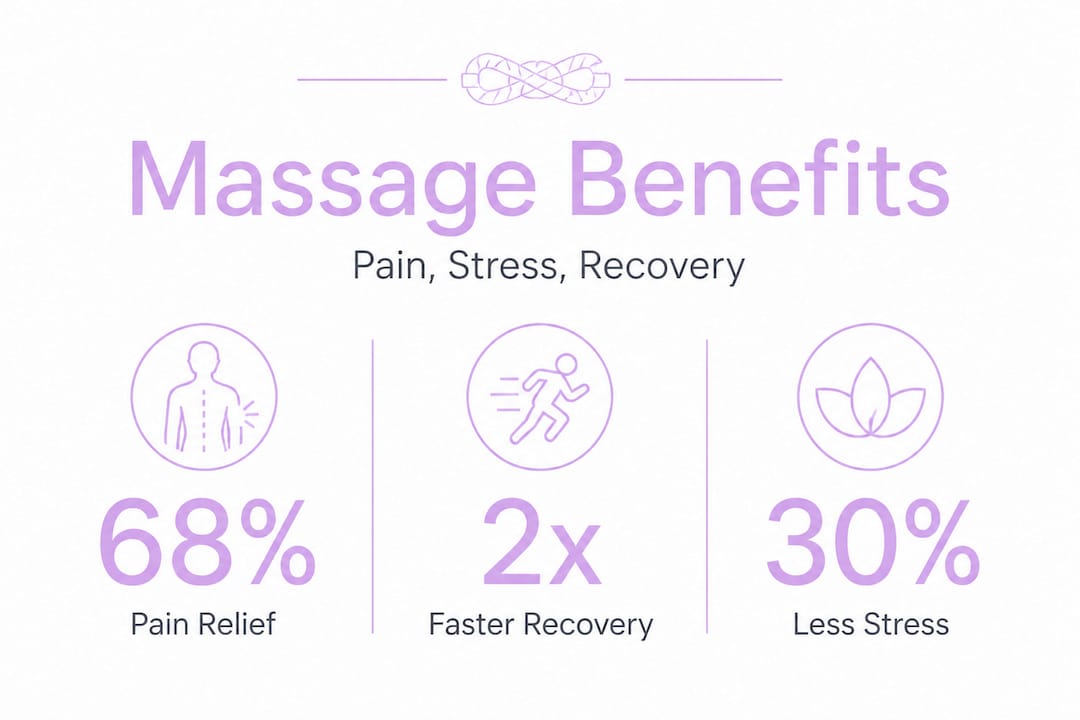
Prenatal massage: Specialized care with real benefits
Pregnancy changes every part of your body, and many of those changes bring discomfort. Low back pain, hip tightness, leg cramps, swelling, sleep disruption, and emotional stress are all common experiences. Prenatal massage is one of the most supportive tools available for managing these challenges safely.
What the evidence shows for prenatal care
| Outcome | Evidence | Notes |
|---|---|---|
| Back and leg pain | Significant reduction vs. usual care | Consistent across studies |
| Anxiety and depression | Reduced symptoms across pregnancy | Both moderate and strong effects reported |
| Sleep quality | Improved in most studies | Linked to reduced pain and tension |
| Birth outcomes | Some positive associations | Limited evidence; promising but not conclusive |
Prenatal massage is safe after the first trimester when performed with light pressure and appropriate positioning, typically side-lying with supportive bolsters. It reduces stress, relieves back and leg pain, and addresses anxiety and depression with a growing body of supportive evidence. Research also shows that prenatal massage benefits extend to reduced anxiety and depression during pregnancy, with some studies noting limited but increasing evidence for improved birth outcomes. Studies on manual therapies also confirm that massage reduces pain intensity compared to usual care for pregnancy-related back and pelvic pain.
Who should consider prenatal massage and when
- Second trimester onward is generally the safest time to begin, as the first trimester carries elevated risk of miscarriage unrelated to massage, though the caution exists out of care rather than confirmed cause.
- Those with chronic back or pelvic pain during pregnancy benefit most from consistent, targeted work.
- Pregnant women experiencing high stress or anxiety often notice meaningful emotional relief alongside physical comfort.
- Postpartum clients recovering from labor and delivery can also benefit from supportive work as the body readjusts.
Pro Tip: Before your first prenatal session, ask your therapist these specific questions: Are you certified in prenatal massage? What positioning and pressure modifications do you use? Are there any areas you avoid? A well-trained therapist will answer these clearly and confidently, and will ask about your pregnancy history and any complications before the session begins.
The safety piece matters. Certain pressure points and positions are avoided during pregnancy for good reason. Working with a therapist who has specific prenatal training, not just general massage experience, is the most important factor in getting the full benefit safely.
The real impact of massage: What most miss (and what matters)
Here is something the research and the wellness marketing both tend to gloss over: the quality of the therapeutic relationship matters as much as the technique.
You can have the correct modality applied by a technically proficient therapist and still walk away feeling like nothing changed. And you can have a genuinely skilled practitioner who listens carefully, adjusts their pressure and approach in real time, and helps your nervous system feel safe enough to actually let go. That second experience is what produces lasting results.
The biggest gains come from regular, attentive sessions tailored to each person's goals, not from a single heroic treatment.
The evidence on cortisol changes is a good example of this. The claim that massage slashes stress hormones by up to 30% is technically found in some studies but not supported across comprehensive reviews. Benefits likely come through gate-control pain mechanisms and parasympathetic activation rather than dramatic hormonal shifts. That is actually a more stable and reliable picture of how healing works. It is not about one dramatic chemical event. It is about a sustained shift in how your nervous system operates.
The same principle applies to prenatal care. First trimester caution exists because miscarriage risk is naturally elevated in early pregnancy, and while massage doesn't cause miscarriage, the caution reflects responsible practice. Long-term benefits are also less clearly documented than short-term ones, which is an honest limitation worth acknowledging.
What this means practically: communicate with your therapist, track how you feel between sessions, and commit to a schedule rather than treating massage as a one-time fix. Understanding the massage therapy workflow from intake to follow-up helps you become a more informed participant in your own care.
Realistic expectations combined with consistent, skilled work. That combination produces results you can actually feel over time.
Experience the benefits of therapeutic massage in Austin
If any of what you've read resonates with where you are right now, whether you're managing back pain, navigating a stressful season of life, recovering from an injury, or preparing your body for birth, the next step is connecting with care that's truly built around you.
At EveryKnot Massage, professional massage therapy in Austin is approached with the same intentional, evidence-informed care described throughout this article. Caitlin brings certified expertise in deep tissue, myofascial release, prenatal massage, and injury recovery, blending technical skill with an intuitive, personalized approach that meets you exactly where you are. Sessions are customized, pressure is adjusted to your body's needs, and the goal is always lasting relief rather than just temporary comfort. Booking is simple, and your first session starts with a real conversation about what you need.
Frequently asked questions
How often should I get massage for chronic pain?
For chronic pain, weekly to biweekly sessions are typically recommended at first, tapering to monthly maintenance once you experience consistent relief and improved function.
Is massage therapy safe during pregnancy?
Yes, prenatal massage is safe after the first trimester when performed by a certified therapist using appropriate positioning and light to moderate pressure.
What conditions benefit most from massage?
Massage is especially effective for chronic low back pain, where manual therapy reduces pain intensity and disability short-term, as well as for fibromyalgia, where myofascial release produces large pain-reduction effects, tension headaches, and pregnancy discomfort.
Can massage really reduce stress hormones?
Massage may lower cortisol and increase serotonin and dopamine, but hormone changes are generally small and inconsistent across studies. The stress-relief benefits are real and come largely through nervous system regulation and parasympathetic activation rather than dramatic hormonal shifts.