
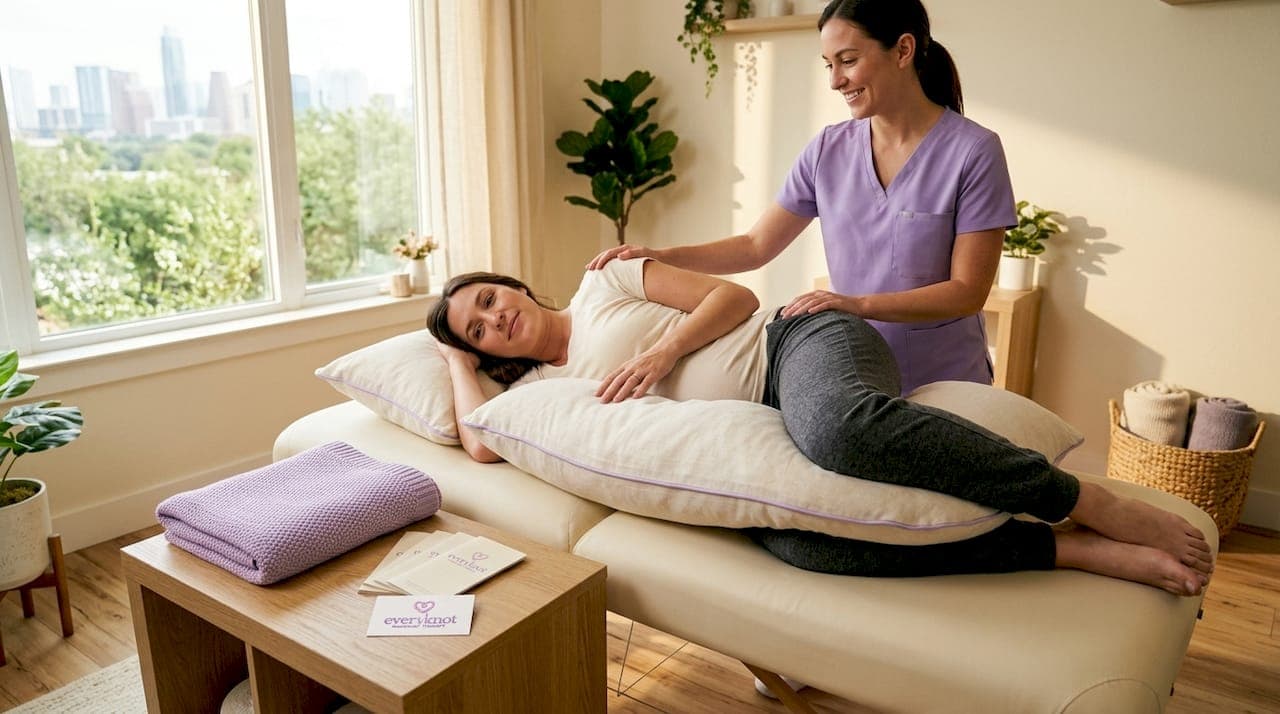
Pregnancy is one of the most physically and emotionally demanding experiences your body will ever move through. The aching lower back, the swollen ankles, the restless nights, the weight of anxiety sitting quietly in your chest — these are real, and they deserve real attention. If you're an Austin mom looking for safe, evidence-backed ways to feel better throughout your pregnancy, prenatal massage may be exactly what your body is asking for. Using gentle techniques like Swedish massage, myofascial release, and craniosacral therapy with light to medium pressure, prenatal massage is designed to relieve the specific discomforts that come with carrying a baby.
Table of Contents
- Why choose prenatal massage? Key selection criteria
- Top benefits of prenatal massage for Austin moms
- Prenatal massage safety: Techniques, positions, and contraindications
- Comparing prenatal massage to other pain relief options
- What most guides won't tell you about prenatal massage in Austin
- Ready to feel your best? Where to book prenatal massage in Austin
- Frequently asked questions
Key Takeaways
| Point | Details |
|---|---|
| Scientifically backed relief | Prenatal massage offers real benefits for pain, stress, and birth outcomes when done by certified professionals. |
| Safety first | Always choose a therapist with prenatal certification and consult your doctor, especially with high-risk pregnancies. |
| Consistent sessions matter | Regular massage—ideally every two weeks—provides the most lasting benefits throughout pregnancy. |
| Know your options | Comparing massage to other pain relief methods helps you make informed, comfortable choices. |
Why choose prenatal massage? Key selection criteria
Prenatal massage isn't just a relaxing treat. It's a targeted, therapeutic practice with a growing body of research supporting its use during pregnancy. Understanding what makes it different from a standard massage helps you make a more informed decision for yourself and your baby.
What sets prenatal massage apart:
- Customized positioning to protect your belly and support your spine
- Pressure levels adjusted for pregnancy-sensitive tissues
- Avoidance of specific acupressure points that can stimulate contractions
- Focus on areas most affected by pregnancy: lower back, hips, legs, and shoulders
- Emotional support built into the session, not just physical relief
The massage therapy benefits that research documents go well beyond relaxation. Empirical data confirms that prenatal massage reduces stress, back and leg pain, depression, and anxiety, with some reviews even suggesting improved delivery outcomes including higher birth weight and lower preterm birth risk. These are not small wins. These are outcomes that matter for both you and your baby.
Safety is the foundation of everything. Working with certified prenatal massage therapists who have specific training in pregnancy-related anatomy and contraindications is essential. A general massage therapist, no matter how skilled, may not have the specialized knowledge needed to keep both you and your baby safe.
Pro Tip: Before booking any prenatal massage, ask the therapist directly about their prenatal certification and how many pregnancy clients they currently see. A confident, specific answer tells you a lot about their experience level.
Getting medical clearance from your OB-GYN before your first session is also a smart move, especially if your pregnancy has any complications. Most low-risk pregnancies are excellent candidates for prenatal massage, but your provider knows your specific situation best.
Top benefits of prenatal massage for Austin moms
With safety and science in mind, here's a practical breakdown of what prenatal massage genuinely offers you as an Austin mom.
Physical relief you can feel:
- Significant reduction in lower back pain, hip tension, and sciatic nerve discomfort
- Relief from leg cramping and swelling in the feet and ankles
- Reduced tension headaches linked to postural changes during pregnancy
- Improved circulation, which supports both your comfort and fetal development
- Better sleep quality, which is often one of the first casualties of pregnancy
Emotional and hormonal benefits:
- Lower cortisol (the primary stress hormone) levels after consistent sessions
- Increased serotonin and dopamine, your body's natural mood regulators
- Reduced symptoms of prenatal depression and anxiety
- A sense of calm that can help your nervous system feel safe enough to let go
The research behind these benefits is specific and meaningful. RCTs (randomized controlled trials) show that massage reduces prenatal depression and increases gestational age and birth weight compared to control groups. That means consistent massage sessions during pregnancy may contribute to a healthier, fuller-term delivery.
For back pain specifically, the numbers are compelling. Effleurage massage — a long, gliding stroke technique — significantly reduces third-trimester back pain, with an average decrease of 2.8 points on the Visual Analog Scale (VAS), a standard pain measurement tool, with statistical significance at p less than 0.05. In practical terms, that's the difference between waking up in the night from pain and actually sleeping through.
Immune system support is another benefit that often surprises people. Regular massage has been shown to increase natural killer cell activity, which is part of your body's first line of defense. During pregnancy, when your immune system is already navigating a delicate balance, this kind of support matters.
The massage for mental health connection is also worth taking seriously. Prenatal anxiety is common and often undertreated. Many Austin moms find that consistent massage sessions create a reliable anchor of calm in what can feel like an unpredictable season of life.
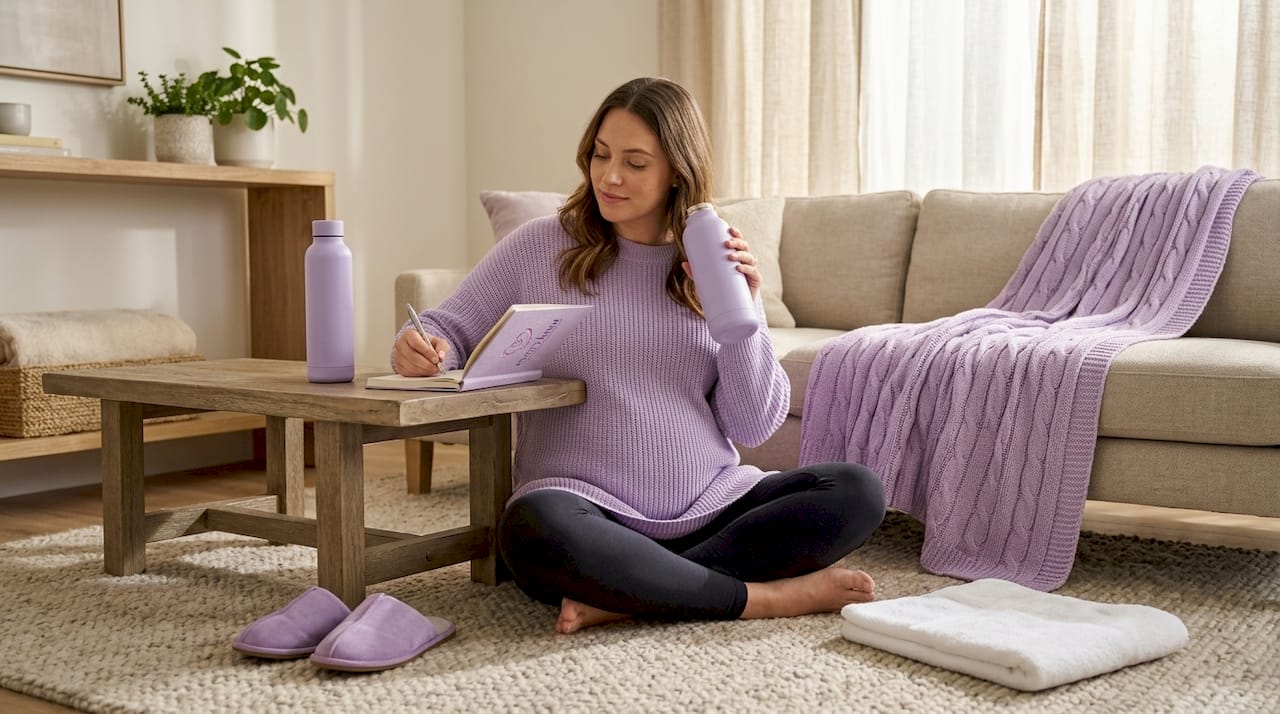
Pro Tip: For optimal results, aim for sessions every two weeks during the second trimester and increase to weekly sessions in the third trimester. Even 30-minute sessions can deliver meaningful relief when scheduled consistently.
Prenatal massage safety: Techniques, positions, and contraindications
Understanding the benefits leads directly to questions about safety. Here's how trained therapists ensure that prenatal massage is both comfortable and secure throughout your pregnancy.
Proper positioning during a session:
- Side-lying is the standard and safest position for prenatal massage after the first trimester. Pillows are placed strategically to support your belly, knees, and lower back.
- Lying face up (supine) is avoided after the first trimester because the weight of the uterus can compress the vena cava, a major vein, reducing blood flow to both you and your baby.
- Lying face down (prone) is not used in standard prenatal massage for obvious anatomical reasons, though some tables have belly cutouts. Most certified therapists avoid this entirely.
- Bolsters and supportive cushions are used generously to keep you comfortable and properly aligned throughout the session.
What a trained therapist will always avoid:
"Avoid deep pressure on legs to prevent dislodging blood clots, direct abdominal pressure, and specific acupressure points like ankles, wrists (LI4, SP6, BL60, GB21)." — Cleveland Clinic
These restrictions exist for good reason. Pregnancy increases the risk of deep vein thrombosis (DVT), a condition where blood clots form in the deep leg veins. Deep leg massage can be dangerous if a clot is present. Certain acupressure points are known to stimulate uterine contractions and are always avoided by trained prenatal therapists.
Key contraindications to know:
| Condition | Recommendation |
|---|---|
| Preeclampsia | Avoid prenatal massage entirely |
| Deep vein thrombosis (DVT) | Medical clearance required; often contraindicated |
| Placenta previa | Avoid until cleared by your provider |
| High blood pressure (uncontrolled) | Consult your OB-GYN before any session |
| First trimester (weeks 1-12) | Proceed with caution; certified therapist required |
| Low-risk pregnancy (second/third trimester) | Generally safe with trained therapist |
The first trimester deserves special mention. While prenatal massage is generally safe with a trained therapist even in early pregnancy, many practitioners prefer to wait until the second trimester. The risk of miscarriage is highest in the first trimester, and while massage does not cause miscarriage, some therapists and clients prefer the added peace of mind that comes with waiting.
Working with safe prenatal massage techniques means your therapist should be asking detailed intake questions at every visit, not just the first one. Your body changes rapidly during pregnancy, and what was comfortable at 20 weeks may feel very different at 32 weeks.
Comparing prenatal massage to other pain relief options
Beyond techniques, it helps to compare prenatal massage to the other pain management options you might be considering during pregnancy.
| Method | Effectiveness | Safety during pregnancy | Personalization | Cost |
|---|---|---|---|---|
| Prenatal massage | High for musculoskeletal pain and stress | Safe with certified therapist | High | Moderate |
| Over-the-counter medication | Moderate; limited options approved | Restricted; consult OB-GYN | Low | Low |
| Prenatal yoga/exercise | Moderate for pain and mood | Generally safe | Moderate | Low to moderate |
| Heat/cold therapy | Mild to moderate for localized pain | Use with caution; avoid heat on abdomen | Low | Very low |
| Chiropractic care | Moderate for back and pelvic pain | Safe with prenatal-trained provider | Moderate | Moderate to high |
Prenatal massage reduces pain and improves mental well-being in ways that most other options simply cannot replicate. The hands-on, intuitive nature of massage means your therapist can respond in real time to where your body is holding tension, adjusting pressure and focus as needed. That level of responsiveness is hard to match with a yoga class or a heating pad.
When to consult your healthcare provider:
- Before your very first prenatal massage session
- If you develop any new symptoms between sessions (swelling, dizziness, pain)
- If your pregnancy is reclassified as high-risk at any point
- If you're considering increasing session frequency significantly
Many Austin moms find that massage therapy versus medication is not even a close comparison when it comes to quality of life. Medication options during pregnancy are limited and often come with understandable hesitation. Massage offers a non-pharmacological path to real relief. For those interested in lasting pain relief methods, prenatal massage fits naturally into a longer-term wellness strategy that can continue into the postpartum period.
What most guides won't tell you about prenatal massage in Austin
Equipped with evidence and comparisons, here's a candid look at what actually makes a difference in your prenatal massage experience — the things that don't always make it into the research summaries.
The relationship between you and your therapist matters more than most people realize. The real massage therapy benefits show up most consistently when you feel genuinely comfortable with the person working on your body. If something doesn't feel right — the pressure, the positioning, the pace — you should feel completely free to say so. A skilled prenatal therapist will welcome that feedback. They're not guessing. They're responding to you.
One of the most common misconceptions we see is the belief that more pressure equals more benefit. This is simply not true during pregnancy. Your tissues are more sensitive, your ligaments are loosened by the hormone relaxin, and your nervous system is already working overtime. Lighter, more intentional pressure often produces deeper and more lasting relief than anything aggressive. Trusting that process takes a little patience, but it pays off.
Another thing most guides skip over: the emotional release that can happen during prenatal massage is real and completely normal. Pregnancy carries a lot — joy, fear, physical strain, identity shifts. When your body finally gets to rest in a safe, supported space, emotions sometimes surface. This isn't something to manage or suppress. It's part of the healing.
Booking strategy also matters more than most people plan for. In the second trimester, every two weeks is a good rhythm. By the third trimester, weekly sessions can make a significant difference in sleep quality, pain levels, and overall mood. Don't wait until you're in significant discomfort to book. Consistent, preventive sessions tend to produce far better outcomes than occasional crisis appointments.
Finally, communication before the session is just as important as what happens on the table. Let your therapist know what's changed since your last visit. Tell them where you're holding tension. Tell them what's been stressful. The more context they have, the more intentional and effective your session will be.
Ready to feel your best? Where to book prenatal massage in Austin
With practical knowledge in hand, finding a massage provider you trust is the final step toward real comfort during your pregnancy.
If you're in Austin and ready to experience the difference that skilled, certified prenatal massage can make, you deserve a space where your comfort is the priority from the moment you walk in.
EveryKnot Massage in Austin offers personalized prenatal massage sessions designed around your specific needs, trimester, and comfort level. Caitlin brings certification across multiple modalities and an intuitive, attentive approach that goes beyond technique. Every session is customized, every concern is heard, and every detail is handled with care. Whether you're navigating back pain, anxiety, swelling, or simply the exhaustion of growing a human being, this is a space built for your healing. Reach out to book your session and take one meaningful step toward feeling like yourself again.
Frequently asked questions
Is prenatal massage safe in all trimesters?
Prenatal massage is safest in the second and third trimesters when performed by a certified therapist; use caution during the first trimester and always consult your OB-GYN before your first session.
What kinds of pain does prenatal massage help with most?
Prenatal massage is most effective for relieving back, hip, leg, and sciatic pain, and research confirms it also reduces stress, anxiety, and tension headaches linked to postural changes.
Are there any risks or side effects to prenatal massage?
Prenatal massage is generally safe for low-risk pregnancies but should be avoided in cases of preeclampsia, DVT, placenta previa, or uncontrolled high blood pressure.
How often should I get a prenatal massage during pregnancy?
The ideal frequency is every two weeks during the second trimester, increasing to weekly in the third trimester for the most consistent relief and benefit.
Does insurance cover prenatal massage therapy in Austin?
Most insurance plans do not cover prenatal massage; check with your provider about wellness benefit specifics, as some flexible spending accounts (FSAs) or health savings accounts (HSAs) may allow it.