
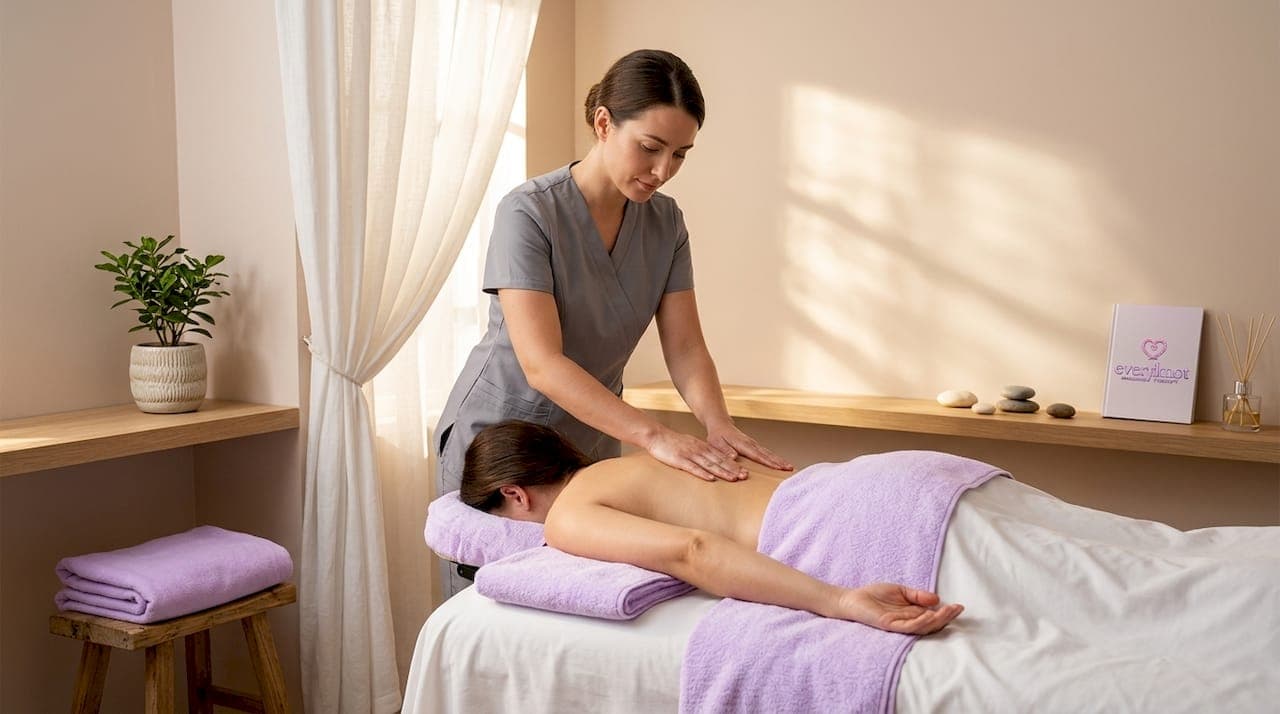
Between 17.6% and 56% of people living with chronic pain use massage therapy as part of their care, with the highest rates among those dealing with persistent low back pain. Yet many people still walk into their first session expecting little more than a relaxing hour. The reality is that therapeutic massage is a clinically recognized tool with measurable effects on pain, mobility, mood, and quality of life. This guide breaks down what the research actually says, which techniques deliver real results, and how you can make the most of massage therapy as part of your chronic pain recovery in Austin.
Table of Contents
- Why chronic pain is so challenging to manage
- How massage therapy works for chronic pain relief
- Which massage techniques work best for chronic pain?
- The limits of massage: When should you expect relief?
- How to get the most benefit from therapeutic massage in Austin
- The truth about massage for chronic pain relief: More than a luxury
- Find real relief with professional massage in Austin
- Frequently asked questions
Key Takeaways
| Point | Details |
|---|---|
| Most effective for specific pain | Massage delivers the best results for fibromyalgia and low back pain when combined with other therapies. |
| Mechanisms go beyond relaxation | Therapeutic massage works through pain gating, reducing anxiety, and improving blood flow. |
| Technique and dose matter | The effectiveness of massage depends on the style used, the therapist’s skill, and consistent sessions. |
| Not a solo solution | Massage should complement, not replace, physical therapy or medical care for chronic pain. |
| Therapeutic massage is safe | Most adults can use massage for chronic pain with minimal risk when sessions are tailored by licensed therapists. |
Why chronic pain is so challenging to manage
Chronic pain is not simply an injury that hasn't healed yet. It is a complex condition that often involves physical tissue changes, central nervous system sensitization, and emotional components like anxiety and depression. That combination makes it resistant to treatments that only address one piece of the puzzle.
Many people cycle through medications, physical therapy, and rest without finding lasting relief. Muscle shortening, fascial restrictions (tightening of the connective tissue surrounding muscles), and ongoing nervous system activation all keep the body stuck in a pain loop. Standard approaches often treat the symptom rather than these underlying patterns.
Here is what frequently drives chronic pain and makes it so persistent:
- Muscle guarding that restricts movement and creates secondary tension points
- Sensitized nerve pathways that amplify pain signals beyond what the original injury would explain
- Anxiety and depression that lower pain tolerance and interfere with recovery
- Poor circulation to affected tissues that slows healing and increases stiffness
- Sedentary compensation patterns that create new areas of pain while protecting an old one
"Massage therapy is beneficial as an adjunct treatment for chronic pain conditions like fibromyalgia and low back pain, improving pain levels, physical function, and quality of life in the short term through techniques such as myofascial release and deep tissue massage." NIH review
Understanding the massage therapy benefits that go beyond relaxation helps explain why so many people turn to it after conventional approaches leave them still hurting. Massage addresses several of these driving factors at once, which is a significant advantage. Learning more about massage therapy and wellness shows how it fits into a broader recovery picture.
How massage therapy works for chronic pain relief
Massage is not magic. Its effects are grounded in physiology, neuroscience, and psychology. When you understand the mechanisms, you can appreciate why consistent sessions outperform a single visit, and why the effects extend well beyond the time you spend on the table.
| Mechanism | What happens | Benefit for pain |
|---|---|---|
| Gate control theory | Touch signals compete with pain signals in the spinal cord | Reduces pain perception |
| Parasympathetic activation | Heart rate slows, cortisol drops | Reduces anxiety and muscle tension |
| Improved circulation | Blood flow increases to restricted tissue | Supports tissue healing |
| Fascial release | Dense connective tissue softens | Restores movement and reduces local pain |
| Anti-inflammatory response | Pro-inflammatory markers decrease | Lowers overall pain sensitivity |
Research consistently supports these mechanisms. A landmark meta-analysis of massage research found that the gate control theory of pain reduction, parasympathetic nervous system activation, improved blood flow, reduced fascial densification, and anti-inflammatory effects all contribute to massage's effectiveness. That same comprehensive meta-analysis showed that multiple applications of massage (not just one session) produce the largest pain reductions, and that effects on trait anxiety and depression are comparable in size to those seen with psychotherapy.
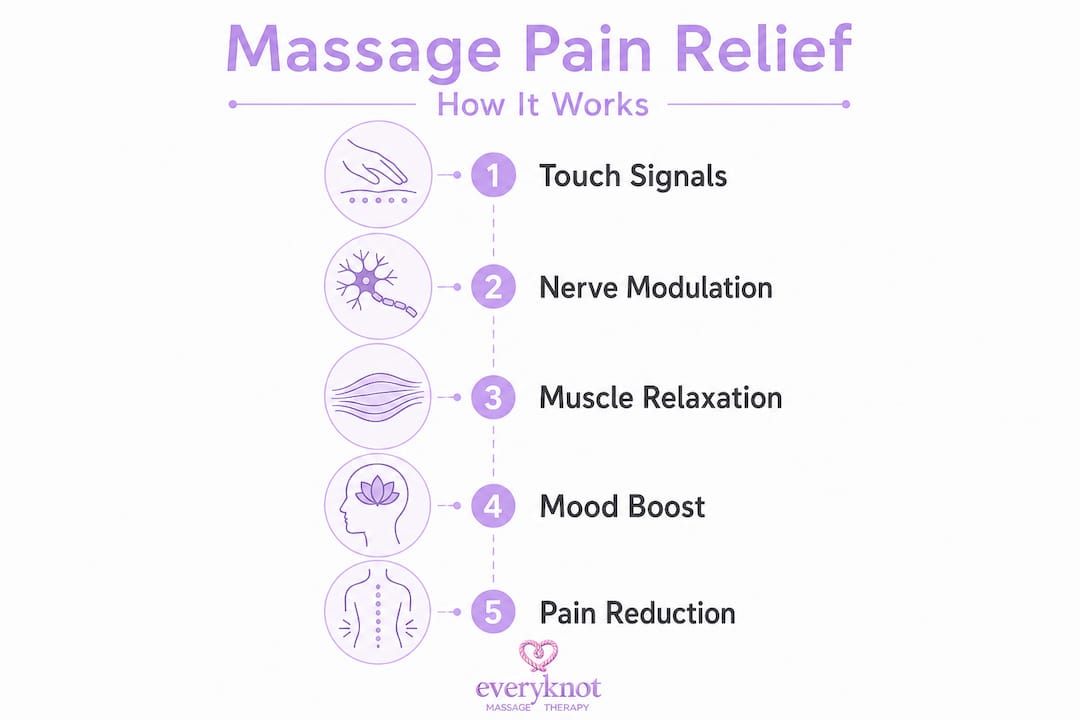
This is important. Massage works better over time. Your nervous system gradually learns that the treatment environment is safe, allowing deeper tissue release with each session. Many clients notice that the lasting relief with massage they experience after three or four sessions is dramatically greater than what they felt after just one.

Pro Tip: If your first massage felt only mildly helpful, don't give up. The science of massage and tension relief shows that your body needs repeated input to begin rewiring how it responds to both touch and pain.
Which massage techniques work best for chronic pain?
Not all massage is created equal when it comes to clinical outcomes. The technique matters, and so does matching the right approach to your specific condition.
Top techniques by condition
-
Myofascial release for fibromyalgia: This technique targets the fascia, the web of connective tissue running throughout the body. Research shows that myofascial release has large positive effects on pain in fibromyalgia patients, with medium effects on anxiety and depression that are maintained over the short to medium term. It is currently one of the most evidence-backed approaches for this condition.
-
Manual therapy combined with exercise for low back pain: A key finding from recent research is that massage added to exercise improves both short-term pain and disability in chronic low back pain more than exercise alone. This is an important nuance. Massage as part of a program consistently outperforms massage in isolation.
-
Myofascial release vs. connective tissue massage for fibromyalgia: When comparing approaches directly, myofascial release is more effective than connective tissue massage for reducing fibromyalgia pain specifically. If you are managing fibromyalgia, this distinction matters when discussing options with your therapist.
-
Friction massage for trigger points: Trigger points are small, sensitive knots in muscle tissue that refer pain to other areas. Friction massage improves pain intensity and range of motion in myofascial trigger points within treatment groups, though evidence for its superiority over other approaches is still developing.
Comparing technique effectiveness
| Condition | Best-supported technique | Evidence strength |
|---|---|---|
| Fibromyalgia | Myofascial release | Strong, maintained short to medium term |
| Chronic low back pain | Manual therapy plus exercise | Strong for combined approach |
| Myofascial trigger points | Friction massage | Moderate, within-group benefits |
| General muscle tension | Deep tissue massage | Moderate, condition-dependent |
Understanding the best massage types for back pain helps you have more productive conversations with your therapist. Similarly, knowing the deep tissue massage benefits can help you decide when slower, deeper pressure is the right call versus lighter, more rhythmic work.
Pro Tip: Tell your therapist specifically where you feel pain, what activities aggravate it, and whether your pain is localized or spreads to other areas. That information guides technique selection far better than a general complaint of "my back hurts." Exploring restorative pain relief techniques can also give you a clearer idea of what to expect from different modalities.
The limits of massage: When should you expect relief?
Honesty matters here. Massage is genuinely effective for many types of chronic pain. But it is not equally powerful for every condition, and its results depend heavily on how it is used.
Where the evidence is strongest:
- Fibromyalgia, particularly with myofascial release
- Chronic low back pain, especially when combined with exercise or physical therapy
- General musculoskeletal tension and stress-related pain
- Post-injury recovery when the acute phase has passed
Where evidence is more cautious:
A well-known Cochrane review on neck pain found that massage probably makes little to no difference compared to placebo for subacute or chronic neck pain at 12 weeks, based on low-certainty evidence. That finding surprises many people who have felt relief from neck massage, and it is worth understanding what it means. Low-certainty evidence does not mean massage doesn't help; it means the studies available were too small or inconsistent to draw firm conclusions.
What the broader research landscape makes clear is that combining massage with physical therapy and exercise consistently outperforms using any one treatment alone. Massage is a powerful adjunct, not a standalone cure for all forms of chronic pain.
Here is a practical way to think about it:
- Expect meaningful relief for fibromyalgia and low back pain with regular sessions
- Approach neck pain massage as one part of a broader treatment plan
- Budget for multiple sessions rather than hoping a single visit resolves months of pain
- Communicate openly with your massage therapist and any other healthcare providers involved in your care
For those recovering from an injury, massage for injury recovery requires even more careful sequencing and timing to be both safe and effective.
Statistic worth knowing: Studies on fibromyalgia patients show that the benefits of myofascial release, including reduced pain and improved mood, are maintained not just immediately after treatment but through short to medium term follow-up. That durability matters when you are planning a realistic care schedule.
How to get the most benefit from therapeutic massage in Austin
Knowing massage works is one thing. Getting the most out of it in your real life, with your specific body and schedule, takes some intentional planning.
-
Choose a licensed therapist with chronic pain experience. Not every massage therapist is trained in the same modalities. In Austin, look for someone who can clearly explain their approach to conditions like yours. A therapist who specializes in therapeutic massage for chronic pain will tailor pressure, pace, and technique to your needs rather than applying a one-size-fits-all approach.
-
Be specific about your goals before the session begins. Do you want to reduce a specific area of pain? Improve your range of motion? Lower overall body tension? Sharing your pain history, any flare-up patterns, and your comfort preferences helps your therapist work more effectively from the first session.
-
Establish a consistent schedule. Research is clear that multiple applications of massage produce the greatest results. For chronic pain, biweekly or monthly sessions over several months will deliver far more sustained relief than occasional visits. Treat it like any other ongoing healthcare appointment.
-
Pair massage with movement. The data on manual therapy plus exercise being more effective than either alone is compelling. Even gentle stretching, walking, or yoga between sessions keeps the benefits active in your body.
-
Communicate during the session. Therapeutic massage can feel intense, especially in areas of long-held tension. Speaking up about pressure, comfort, and sensation allows your therapist to adjust in real time. Understanding what a massage therapist does during a session helps you feel more confident advocating for yourself.
Pro Tip: Drink water after your session and avoid intense exercise for the rest of that day. Your tissues are in a state of active recovery, and giving them space to integrate the work leads to better outcomes.
The truth about massage for chronic pain relief: More than a luxury
Here is something worth saying plainly: one of the biggest barriers keeping people in chronic pain is the belief that therapeutic massage is an indulgence rather than a treatment. That perspective costs people real relief.
Therapeutic massage is a legitimate clinical tool for chronic pain with a growing body of research behind it. The most successful clients we see are not the ones who book a session when the pain becomes unbearable. They are the ones who treat massage as an ongoing investment in their body, showing up consistently even when they feel okay, because they understand that sustained improvement requires sustained input.
There is also a cultural shift needed in how patients and clinicians talk to each other about pain management. Massage should not be the afterthought you try when everything else fails. It belongs earlier in the conversation, as a complement to physical therapy, movement, and medical care. When you treat supporting wellness as a continuous practice rather than a crisis response, everything changes.
The stigma around massage as "soft" care is not just unhelpful. It is actively harmful for people who could benefit right now. Your pain is real. Your need for skilled, intentional hands-on care is legitimate. Claiming that care is not indulgence. It is smart.
Find real relief with professional massage in Austin
If you've been managing chronic pain and want support that's actually tailored to your body, you don't have to figure it out alone.
At EveryKnot Massage in Austin, Caitlin brings deep technical training in multiple therapeutic modalities together with an intuitive, personalized approach. Every session is built around your specific pain history, comfort level, and recovery goals, not a generic protocol. Whether you're dealing with fibromyalgia, low back pain, or tension that just won't quit, professional massage in Austin is available to support your healing in a calm, restorative environment. Reach out today to take the first intentional step toward consistent, meaningful relief.
Frequently asked questions
How many massage sessions do I need for chronic pain?
Most people benefit from regular sessions over several weeks, as multiple massage applications consistently show greater pain reduction than a single visit. Relief builds with consistency, so a monthly or biweekly schedule is more effective than sporadic treatment.
Is massage enough on its own for pain management?
Massage is most effective when combined with exercise and other therapies. Research shows that massage added to exercise significantly outperforms exercise alone for chronic low back pain, highlighting the value of a combined approach.
Are some types of chronic pain less responsive to massage?
Yes. Evidence is strongest for fibromyalgia and low back pain, but a Cochrane review on neck pain found only low-certainty evidence of benefit, suggesting weaker support for that condition specifically.
Can massage therapy help my mood as well as pain?
Absolutely. Research shows that massage produces effects on anxiety and depression comparable in magnitude to those seen with psychotherapy, making it valuable for the emotional dimensions of chronic pain as well.
Is massage therapy safe for all chronic pain conditions?
For most adults, massage is low-risk and well-tolerated. Minor soreness after a session is common but temporary, and serious risks are rare when you work with a qualified, licensed therapist who understands your condition.