
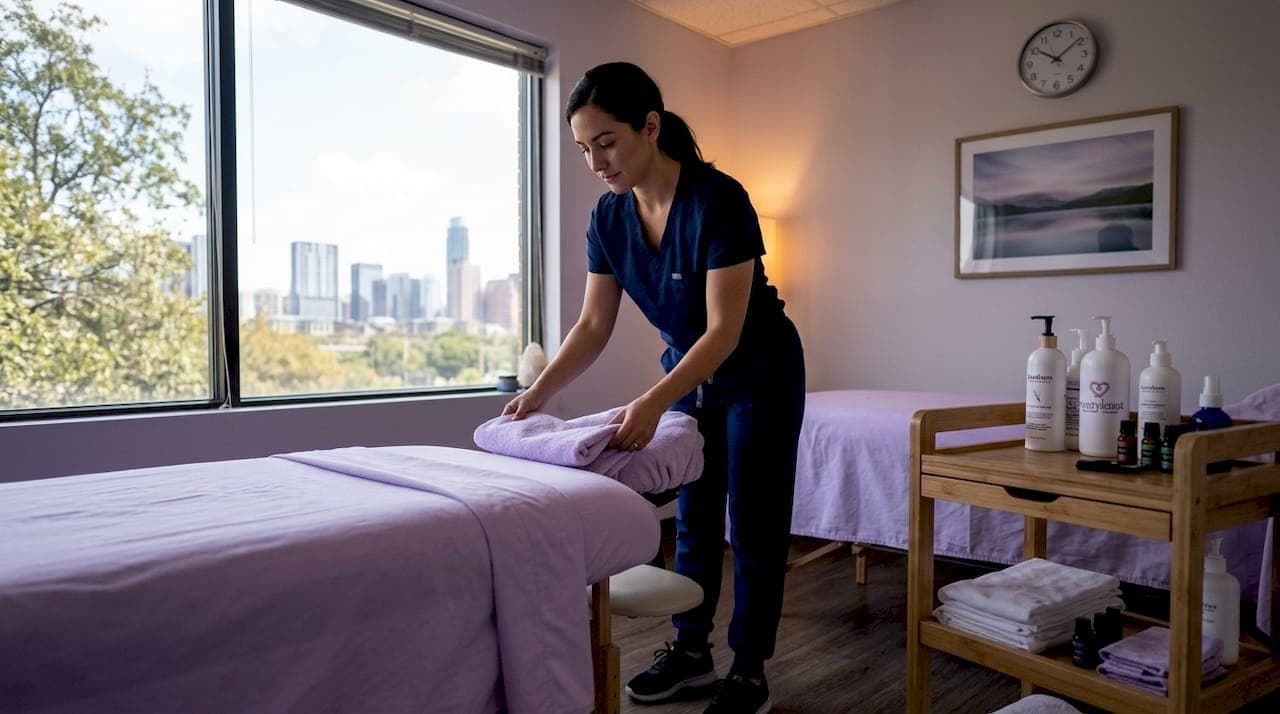
Living with chronic back pain in Austin means you've probably tried more than a few things to find relief. The challenge isn't a shortage of options. It's knowing which massage therapy actually fits your specific pain, your body, and your goals. With so many techniques available, from gentle Swedish strokes to focused deep tissue work, choosing wrong can leave you spending money on sessions that don't move the needle. This guide walks you through seven of the most effective massage types for back pain, gives you a clear comparison, and helps you figure out which approach makes the most sense for where you are right now.
Table of Contents
- How to choose the right massage for your back pain
- Overview: Top 7 massage types for back pain
- Comparing massage techniques: Benefits, focus areas, and considerations
- Which massage type is best for your situation?
- Conventional wisdom vs. holistic experience: What actually brings lasting relief
- Find the right massage therapy in Austin for your back pain
- Frequently asked questions
Key Takeaways
| Point | Details |
|---|---|
| Massage offers short-term relief | Massage therapy reduces back pain intensity for many adults but works best when used consistently and in combination with exercise. |
| Choose the right massage type | Your individual pain pattern and comfort level should determine the best massage approach for your needs. |
| Integrated therapies work better | Rolling massage and movement or exercise together consistently delivers deeper, longer-lasting benefits. |
| Personalized, ongoing care matters | The best results come from a holistic plan tailored to your back pain, not one-off sessions. |
How to choose the right massage for your back pain
Before you book anything, it helps to think about a few key questions. What does your pain actually feel like? Is it a dull ache that builds throughout the day, or sharp discomfort that flares with movement? Does it feel tied to stress, or is it more physical, like tightness after long hours at a desk or on your feet?
Your answers shape everything. A person dealing with postural pain from years of desk work needs something very different from someone recovering from a sports injury or managing sciatica. Understanding the character of your pain, not just its location, helps you and your therapist make smarter choices from the start.
- Identify your pain type. Is it muscular tension, nerve-related, or tied to a specific injury? Each points toward a different technique.
- Consider your sensitivity. If you've never had massage before, or your pain is intense, starting with a gentler approach reduces the risk of post-session soreness.
- Reflect on your goals. Are you chasing immediate relief, better mobility, or long-term management? Your answer influences session frequency and technique.
- Think about what hasn't worked. If you've had massage before and it didn't help much, sharing that history helps your therapist adjust the approach.
- Talk openly. Your therapist isn't guessing. The more you communicate before and during a session, the more intentional and effective the work becomes.
Research shows that massage therapy reduces pain intensity by about 10 to 15 points on standard pain scales for chronic low back pain, offering real short-term relief. But that relief works best when the technique matches your needs. Learning about massage therapy benefits before your first session gives you a head start on understanding what to expect and how to ask for it.
Pro Tip: If you're new to massage or your pain is particularly severe, start with a moderate pressure approach rather than jumping straight into deep tissue work. Let your body adjust, then increase intensity over time as your tolerance and comfort grow.
Overview: Top 7 massage types for back pain
With selection criteria in mind, here's a breakdown of the leading massage options available in Austin. Each one has a distinct purpose and a specific type of person it serves best.
- Swedish massage: The most widely known style. Uses long, gliding strokes and gentle kneading to encourage circulation and relaxation. Best for stress-related back tension, general muscle aches, and first-time clients.
- Deep tissue massage: Targets the deeper layers of muscle and connective tissue using slow, deliberate pressure. Ideal for chronic knots, persistent tightness, or injury-related pain that hasn't responded to lighter work.
- Trigger point therapy: Focuses on specific "knots" within the muscle that refer pain to other areas. A tight spot in your lower back might actually be causing pain in your hip or glute. This technique finds and releases those points directly.
- Sports massage: Designed for physically active individuals, whether you're a runner in Austin's trail community or someone recovering from a repetitive strain. It blends techniques to improve performance, flexibility, and recovery.
- Shiatsu: A Japanese technique using rhythmic finger pressure along energy pathways in the body. It's particularly supportive for people whose back pain is intertwined with tension, fatigue, or stress.
- Myofascial release: Applies gentle, sustained pressure to the fascia, the connective tissue surrounding your muscles. Fascia can tighten and restrict movement over time, contributing to chronic pain patterns that other techniques miss.
- Prenatal and postnatal massage: A safe, modified approach for expectant or new mothers dealing with lower back strain, hip discomfort, or postural changes from pregnancy. Positioning and pressure are carefully adapted for safety and comfort.
Evidence consistently shows that massage is superior for short-term relief, but it works best when paired with active therapies like movement and exercise rather than used in isolation.
"The biggest mistake people make is treating massage as a standalone solution. It's a powerful tool, but it works best as part of a broader plan that includes movement, intentional rest, and self-awareness."
If you're curious about how specific techniques overlap and complement each other, exploring restorative massage techniques gives a deeper picture of how each method supports recovery. You might also find it helpful to understand what a massage therapist does beyond the table so you can build a more collaborative relationship with yours.
Comparing massage techniques: Benefits, focus areas, and considerations
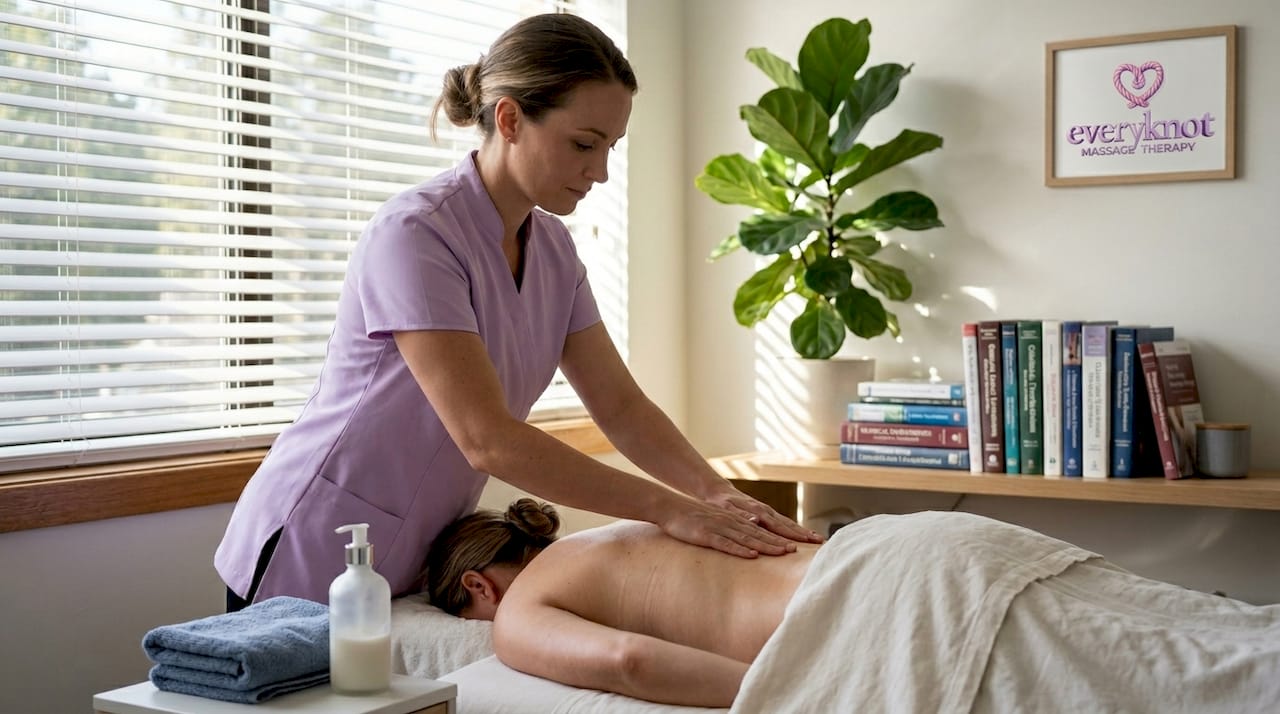
Once you understand your choices, here's how popular massage types compare for common back pain needs. This table gives you a side-by-side view to make your decision easier.
| Massage type | Main benefits | Best candidates | What to expect | Cautions |
|---|---|---|---|---|
| Swedish | Relaxation, improved circulation, reduced tension | New clients, stress-driven pain | Light to medium pressure, full-body flow | Not ideal for deep chronic knots |
| Deep tissue | Releases chronic tension, improves mobility | Persistent tightness, postural issues | Firm pressure, possible post-session soreness | Avoid with acute injuries or inflammation |
| Trigger point | Targeted pain relief, reduces referred pain | Localized pain knots, radiating pain | Focused pressure on specific spots | May feel temporarily intense |
| Sports massage | Injury recovery, performance support | Active individuals, repetitive strain | Combination of techniques, often vigorous | Timing matters relative to activity |
| Shiatsu | Stress relief, energy balance, full-body tension | Fatigue, stress-related pain, holistic focus | Clothed session, rhythmic pressure | Less tissue-specific than other types |
| Myofascial release | Addresses chronic pain patterns, improves flexibility | Long-term postural dysfunction, limited range | Gentle, sustained holds | Results can take multiple sessions |
| Prenatal/postnatal | Reduces pregnancy-related back pain safely | Expectant or new mothers | Modified positioning, adapted pressure | Always disclose pregnancy to therapist |
Research supports combining hands-on therapy with movement. Studies show that manual therapy added to exercise produces better short-term pain and disability reductions than exercise alone for people with chronic lower back pain. That's a meaningful finding. It suggests that massage isn't just a nice addition; it actively improves outcomes when woven into a fuller recovery routine.
If your pain stems from an accident or physical strain, reviewing information about massage for injury recovery can help you understand what approach fits your timeline. And if you're considering deep tissue work specifically, a deep tissue massage guide can prepare you for what the technique actually involves and what results are realistic.
Before booking any session, it's worth consulting a healthcare professional if you have an acute injury, a recent diagnosis, or a condition like osteoporosis or blood clots. A good therapist will also ask about these things during intake, but being proactive helps everyone.
Which massage type is best for your situation?
Now let's match common pain situations to their ideal massage types. This isn't a one-size-fits-all answer, but these patterns tend to hold true for most people dealing with back pain.
-
Stress-driven tension and general aches: Swedish or Shiatsu massage tends to work best. If your back pain gets worse during demanding weeks at work or when your sleep suffers, the problem often has as much to do with your nervous system as your muscles. Gentle, rhythmic work helps your body feel safe enough to release held tension.
-
Chronic knots and persistent tightness: Deep tissue or trigger point therapy is usually the right call. These techniques get specific. A skilled therapist can locate the tissue that's stuck, work it deliberately, and help restore better movement patterns over time.
-
Postural or repetitive strain patterns: Myofascial release or deep tissue combined with movement guidance tends to produce the best outcomes. Fascia-focused work addresses the underlying restriction that often drives chronic postural pain, especially for people who sit for long hours.
-
Active lifestyle or sports-related pain: Sports massage addresses both the mechanical and recovery aspects of musculoskeletal pain. It helps with flexibility, reduces soreness after activity, and targets the areas most stressed by your particular movement patterns.
-
Pregnancy-related back pain: Prenatal massage is designed specifically for the physical changes of pregnancy. Done properly, it's safe and genuinely effective at reducing lower back and hip discomfort that becomes more common as pregnancy progresses.
-
Nerve-related pain or sciatica: Trigger point, myofascial release, and specific deep tissue work near the piriformis muscle can bring real relief. Learning more about massage for sciatica relief helps you understand how therapists approach nerve-adjacent pain without aggravating it.
-
General recovery and maintenance: A rotating combination of Swedish and moderate deep tissue work keeps muscles supple and prevents the buildup of tension that leads to flare-ups.
Understanding why massage relieves tension at a basic level helps you recognize when a technique is working and when it might need adjustment. Over time, tracking how your body responds between sessions gives your therapist the information they need to keep refining your care. Consistent feedback is one of the most underused tools in massage therapy.
Research is clear that massage as an adjunct to active therapies delivers the best sustained results. Movement, stretching, and attention to daily habits all amplify what happens on the table. Massage supports wellness most powerfully when it's part of a lifestyle, not a last resort.
Pro Tip: After each session, take five minutes to note what felt different, where you felt the most release, and whether any areas felt more sensitive afterward. Share this with your therapist before your next session. It sounds simple, but it dramatically improves how well your sessions can be tailored over time.
Conventional wisdom vs. holistic experience: What actually brings lasting relief
Most people come to massage therapy looking for fast results. That's understandable. When you've been in pain for weeks or months, you want relief now. And while massage can genuinely provide meaningful short-term improvement, the pattern we see in real, lasting recovery looks quite different from the one-and-done model many people hope for.
The conventional view treats massage as a service you consume. You book when it hurts, feel better briefly, and repeat the cycle. But this approach rarely addresses the underlying reasons why your back is struggling in the first place. Muscle tension doesn't develop in isolation. It builds through posture habits, stress responses, movement patterns, and sometimes emotional holding that the body stores over years.
What actually brings lasting relief is a relationship. Not just with a technique, but with a therapist who learns your body over time, adjusts their approach based on how you respond, and helps you understand what your back is telling you. This is where the massage therapy for lasting relief conversation really starts to matter.
In Austin's wellness community, the most effective practitioners blend intuitive touch with technical skill. They're not just applying pressure according to a formula. They're listening through their hands, reading how tissue responds, and adapting in real time. That kind of care doesn't happen in a single session. It develops through consistent, intentional work.
We've seen clients who spent years cycling through one-off appointments finally experience genuine change once they committed to a tailored, ongoing plan. The shift usually happens when they stop treating massage as a fix and start treating it as a practice. Paired with gentle movement, attention to sleep and hydration, and honest communication with their therapist, the results are measurably different and far more durable.
Find the right massage therapy in Austin for your back pain
You've done the reading. Now it's time to take a step that actually moves you forward.
At EveryKnot Massage, we specialize in personalized, holistic care for people living with chronic back pain in Austin. Caitlin's approach blends certified expertise across multiple modalities with a genuinely intuitive style. Whether you're dealing with long-standing tension, recovering from an injury, navigating sciatica, or simply need a supportive space to reset, every session is tailored specifically to you. There's no template. There's only your body, your pain, and a thoughtful plan built around both. Book a session and get a clear, expert recommendation on the technique that fits your situation best.
Frequently asked questions
Does massage therapy cure chronic back pain?
Massage therapy provides meaningful short-term relief and improved function for chronic back pain, but it is best used as a supportive tool alongside other therapies, not as a standalone cure.
How many massage sessions do I need for back pain?
Most people feel a difference within a few sessions, but sustained results come from regular massage combined with active therapies like exercise and movement over time.
Is deep tissue massage safe for everyone with back pain?
Deep tissue massage is effective for many people, but those with severe pain, recent injuries, or specific medical conditions should consult a professional first, since manual therapy requires evaluation to ensure it's appropriate for your situation.
Which massage type is best for stress-related back tension?
Swedish and Shiatsu massages are the most effective starting points for stress-related tension, as both prioritize nervous system regulation and full-body relaxation alongside muscle relief.
Can I combine massage with other treatments for better results?
Absolutely. Massage combined with exercise consistently shows stronger, longer-lasting pain relief than either approach on its own, making an integrated plan the most effective route forward.