
Massage therapy for stress relief sounds straightforward until it isn't. You book a session, feel better for a day, and then the tension creeps right back. That cycle frustrates a lot of people in Austin who are genuinely struggling with chronic stress, tight shoulders, disrupted sleep, and the kind of low-grade anxiety that makes everything harder. The truth is, massage therapy benefits are real and well-supported, but they work best when the approach is intentional, personalized, and matched to your specific symptoms — not a generic session pulled off a menu.
Table of Contents
- Understanding how massage therapy works for stress relief
- Matching massage techniques to your stress and tension needs
- Massage therapy's role in easing stress-related pain and tension
- Using massage therapy to improve sleep and emotional wellness
- Personalizing your massage therapy plan for lasting stress relief in Austin
- Why understanding your body's stress signals transforms massage therapy effectiveness
- Find personalized stress relief with EveryKnot Massage in Austin
- Frequently asked questions
Key Takeaways
| Point | Details |
|---|---|
| Massage benefits vary | Effectiveness depends on matching massage type to your unique stress symptoms and physical condition. |
| Pain relief is key | Massage has stronger evidence for relieving stress-related pain like neck or back tension than for eliminating stress itself. |
| Sleep improvement | Gentle massages before bedtime can enhance sleep quality by reducing stress, pain, and anxiety. |
| Personalize your plan | Discuss your symptoms and goals with a licensed therapist to create a customized massage therapy approach. |
| Active client role | Being aware of your stress signs and communicating preferences improves massage therapy outcomes. |
Understanding how massage therapy works for stress relief
Massage does much more than feel good in the moment. When a therapist works your soft tissues, increased circulation moves nutrients into muscle fibers and flushes out metabolic waste that contributes to soreness. At the same time, pressure on the nervous system encourages a shift from "fight or flight" into "rest and digest" mode — technically, a move from sympathetic to parasympathetic dominance. That shift is where the real stress relief lives.
Research confirms that massage can lower cortisol (your primary stress hormone) while raising serotonin and dopamine, two neurotransmitters that support mood stability and a sense of calm. That's meaningful. But it's also where a lot of people misread the science. Lower cortisol doesn't mean clinical anxiety disorders simply dissolve on the table. The evidence on stress and anxiety from the NCCIH is mixed for those conditions specifically, while the case for pain-related stress relief is considerably stronger.
Here's what massage consistently delivers when it's applied correctly:
- Reduced muscle tension in areas like the neck, upper back, and shoulders where stress tends to accumulate
- Lower perceived pain levels in conditions linked to chronic stress, such as tension headaches and low back pain
- A calmer nervous system that, over time, becomes easier to settle after stressful events
- Improved mood through the hormonal shifts mentioned above
- Greater body awareness, which helps you catch tension early before it escalates
One thing worth saying plainly: massage should never hurt. If pressure causes you to brace, hold your breath, or grimace, the technique or intensity isn't right for you. A good therapist adjusts both.
Matching massage techniques to your stress and tension needs
Now that you understand massage's overall effects, let's talk about how to select and tailor techniques to your unique stress symptoms. Not all massage styles do the same thing, and choosing the wrong one for your situation can leave you feeling worse, not better.
Here's a quick comparison to help you orient:
| Massage style | Best for | Pressure level |
|---|---|---|
| Deep tissue | Chronic muscle knots, persistent tension | Firm to intense |
| Swedish/relaxation | General calm, mild tension, first-timers | Light to medium |
| Sports massage | Recovery, anxiety tied to physical strain | Medium to firm |
| Shiatsu | Nervous system regulation, energy flow | Moderate, point-based |
| Prenatal massage | Stress and tension during pregnancy | Gentle, position-modified |
Chronic stress almost always has a physical address. For most people in Austin carrying long work weeks and a packed lifestyle, that address is the neck, shoulders, and upper back. Restorative massage techniques that focus on those specific areas, rather than a head-to-toe relaxation session, tend to produce faster and more lasting symptom relief.
Sleep disruption from stress is a separate problem that responds better to gentle, rhythmic techniques, administered later in the day. Effleurage (long gliding strokes), passive rocking, and shiatsu-style pressure work on the meridian points can help your nervous system feel safe enough to let go before bed.
Key questions to ask yourself before your next session:
- Where does tension show up in my body most reliably?
- Am I dealing more with physical pain, emotional anxiety, or sleep problems?
- Do I want to feel calm after the session, or do I need a deeper, more therapeutic release?
A personalized massage therapy approach that starts with these questions gets much better results than defaulting to whatever is listed as "relaxation" on a spa menu. The evidence is clear that personalizing around pain and tension improves outcomes far more reliably than a generalized approach.
Pro Tip: Before your appointment, sketch a simple body outline and mark where you feel tension most often. Note what you want to walk away with — fewer headaches, better sleep, less jaw tightness. Bring that with you. A good therapist will use it.
Massage therapy's role in easing stress-related pain and tension
Having seen which techniques fit your symptoms, let's explore massage's proven impact on stress-related pain and tension relief. This is where the science is strongest, and where consistent massage therapy can genuinely change your daily experience.
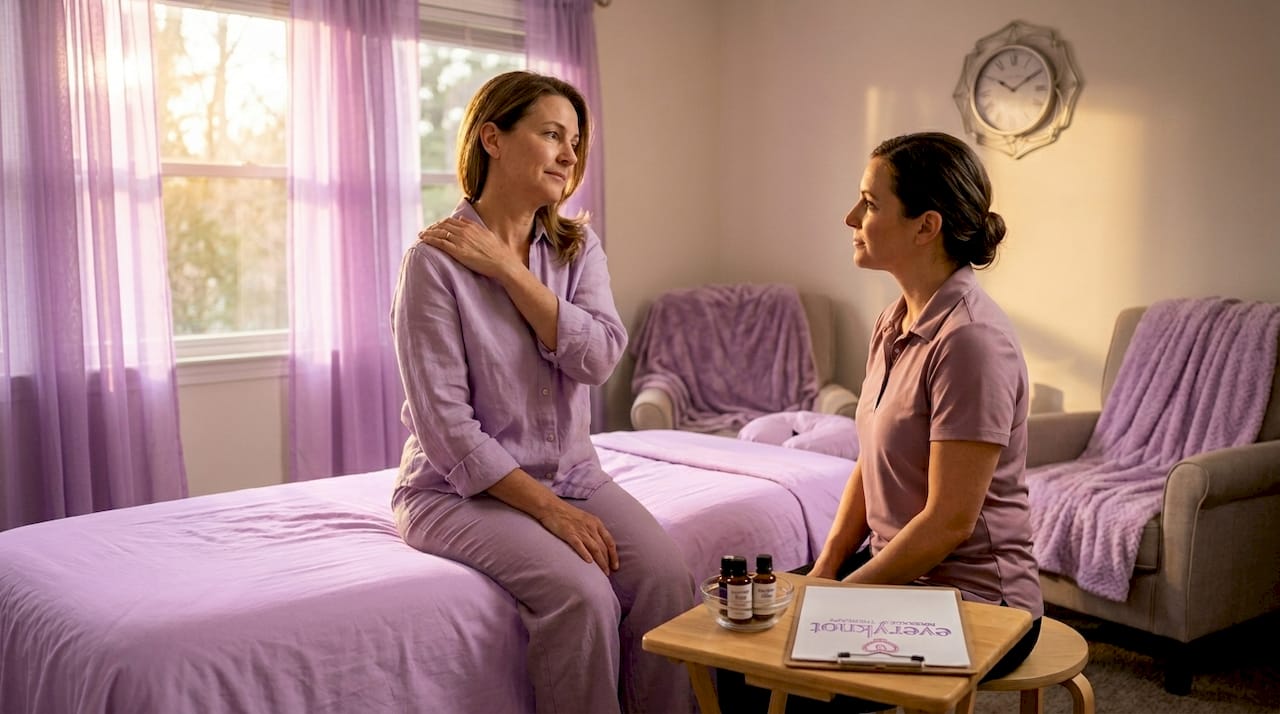
Chronic stress and physical pain are not separate problems. When your nervous system stays on high alert, your muscles follow. The neck tightens. The jaw clenches. The lower back braces. Over months or years, these patterns develop into persistent pain syndromes like tension headaches, myofascial pain (deep muscle knots that refer pain elsewhere), and chronic low back pain. Moderate-certainty evidence shows massage benefits for chronic low back pain, fibromyalgia, and myofascial pain, all of which stress makes worse.
What targeted massage does in these situations:
- Increases local blood flow, delivering oxygen to oxygen-starved muscle tissue
- Releases trigger points (the specific knots that send pain shooting to your head, jaw, or arm)
- Lowers stress hormones circulating in the bloodstream, which directly reduces pain sensitivity
- Interrupts the feedback loop between tension and pain by giving the nervous system a different signal to process
"Massage not only eases muscle tension but also calms the nervous system, disrupting the stress-pain cycle at its source — making it one of the few physical interventions that addresses both the cause and the symptom simultaneously."
Understanding why massage relieves tension at a deeper level helps you participate more actively in your own care. You'll know what to communicate to your therapist and what changes to track between sessions.
For those dealing with massage therapy for chronic pain relief, frequency matters. A single session provides temporary relief. Consistent sessions, spaced based on your symptom severity, build cumulative benefit over time.
Pro Tip: If tension headaches are a recurring issue, ask your therapist to work the suboccipital muscles (the small muscles at the base of your skull) and practice applying gentle circular pressure there yourself between appointments. This one area, when released, can reduce headache frequency noticeably.
Using massage therapy to improve sleep and emotional wellness
Beyond pain relief, massage therapy can play a meaningful role in enhancing sleep and overall emotional wellness related to stress. Poor sleep and chronic stress form a vicious loop: stress makes it harder to sleep, and poor sleep makes stress harder to manage. Breaking into that loop through the body is often more effective than trying to think your way out of it.
The most effective massage techniques for sleep improvement include:
- Effleurage — long, gliding strokes that slow breathing and heart rate
- Passive joint rocking — gentle rhythmic movements that signal safety to the nervous system
- Shiatsu pressure — sustained point-based pressure along energy meridians, which many people find deeply sedating
- Scalp and face massage — activates the parasympathetic system quickly and reduces the kind of "busy mind" tension that keeps you awake
Massage effects on sleep research confirms that relaxation massage before bedtime can significantly improve sleep efficiency, especially for people dealing with pain, stress, and anxiety at the same time. The mechanism is practical: less pain means less nighttime waking, and lower cortisol levels at bedtime make it easier to fall asleep in the first place.
Timing genuinely matters here. A session scheduled one to two hours before you plan to sleep is far more useful for sleep improvement than a lunchtime appointment. If in-person sessions aren't possible every night, self-massage using a tool that supports relaxation — a foam roller for the upper back, a lacrosse ball for the feet, or even gentle ear pressure — can extend the effects of your professional sessions.
"Relaxation massage prior to bedtime could be an effective and safe non-pharmacological approach for improving sleep efficiency in people with insomnia symptoms."
Additional ways to support emotional wellness through massage:
- Pair sessions with deep, slow breathing to amplify the parasympathetic response
- Communicate your emotional state to your therapist so they can adjust their approach
- Use journaling after sessions to track mood and sleep changes over time
Personalizing your massage therapy plan for lasting stress relief in Austin
With a solid grasp of massage benefits, here's how to build your own therapy plan for effective and lasting stress relief. This is where understanding converts into real change.
Step 1: Identify your primary stress symptoms. Are you dealing with muscle pain, poor sleep, anxiety, frequent headaches, or all of the above? Ranking your symptoms helps you and your therapist set realistic session goals.
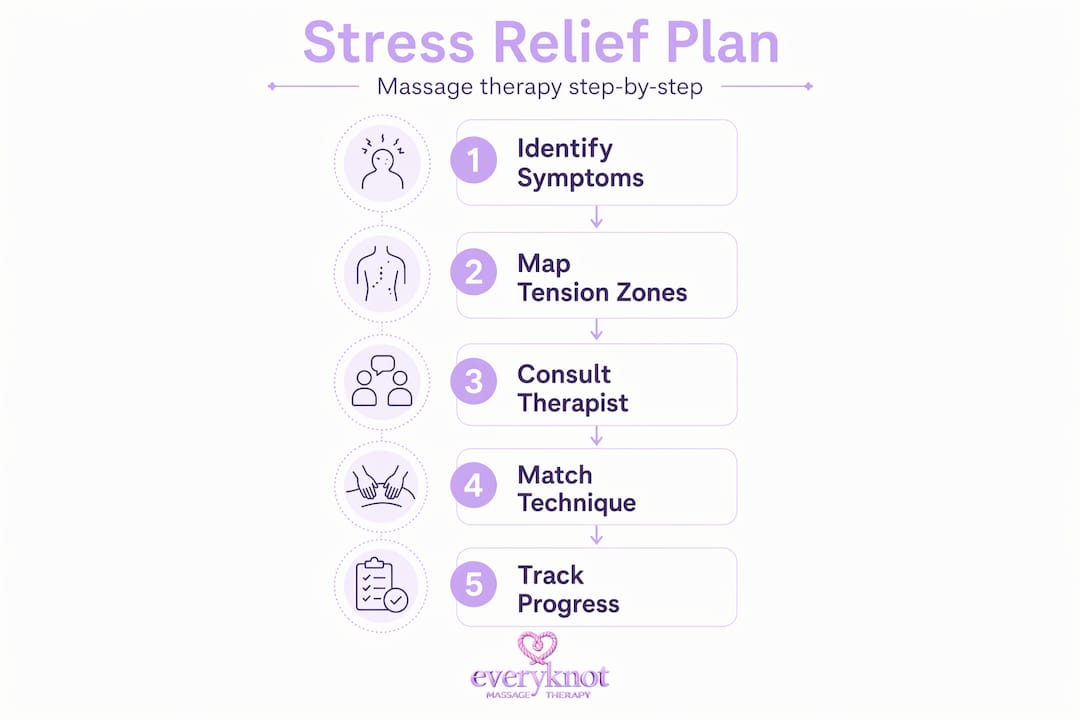
Step 2: Map your tension zones. Note which areas flare up most, and when. Is your neck worst on Monday after meetings? Does your lower back tighten toward the end of the week? Patterns reveal a lot.
Step 3: Consult a licensed therapist and share your findings. Personalizing massage therapy through this kind of symptom mapping is the most direct route to sessions that actually help rather than just feel nice temporarily.
Step 4: Match technique to symptom. Sports massage protocols have shown measurable anxiety reduction in clinical studies. Relaxation-focused work helps emotional calm. Deep tissue addresses chronic physical tension. Your plan can blend these based on what a given week demands.
Step 5: Integrate massage into your broader self-care routine. Massage works best as part of a larger picture that includes movement, adequate hydration, sleep hygiene, and stress management practices.
Helpful additions to support your plan between sessions:
- Stretching the areas your therapist worked within 24 hours
- Using heat on chronically tight muscles before bed
- Building short self-massage breaks into your workday
Pro Tip: Keep a simple weekly log — pain level, sleep quality, mood — and compare it to your session schedule. Within four to six weeks, you'll see which session types, pressures, and timing work best for your body. Share that data with your therapist to refine your custom massage therapy plan over time.
If lower back pain is part of your stress picture, personalized lower back massage is worth exploring as a dedicated focus within your overall plan.
Why understanding your body's stress signals transforms massage therapy effectiveness
Here's a perspective most articles skip: the biggest gap in massage therapy outcomes isn't the therapist's skill. It's what the client brings to the table in terms of self-awareness.
The common belief is that you lie down, a skilled person works on you, and you leave relieved. And sometimes that happens. But for people carrying chronic stress, the sessions that create lasting change are the ones where you've actually noticed how your stress shows up before you walk through the door. Do you clench your jaw when anxious? Does your breathing go shallow when you're overwhelmed? Does your right shoulder always lock up before a big deadline?
When you track these signals and communicate them, a personalized massage approach becomes genuinely targeted, not just intuitive guesswork on the therapist's part. It also prevents one of the most common but underreported problems in massage: sessions that feel painful or intrusive because the pressure and focus didn't match what the nervous system needed that day.
Timing and technique nuances are not minor details. A deep tissue session on a day when you're already emotionally raw can feel like an assault rather than relief. A gentle session on a day when you need a muscular reset won't do much either. Being able to read your own body and articulate it gives you real agency in your care.
The most effective clients we see are the ones who treat massage as a tool they're actively managing, not a passive experience they're receiving. That shift in mindset, from patient to participant, is often what separates people who get lasting relief from those who stay stuck in the tension-relief-tension loop.
Find personalized stress relief with EveryKnot Massage in Austin
You now understand why personalized massage therapy outperforms the one-size-fits-all approach. The next step is working with someone who can bring that knowledge to life in your sessions.
At EveryKnot Massage, Caitlin combines certification in multiple modalities, including deep tissue, energy work, and restorative techniques, with an intuitive, client-centered approach built around your symptoms, not a standard menu. Whether you're navigating chronic tension, disrupted sleep, or stress that shows up as persistent pain, every session is designed around what your body is telling you that day. Booking a consultation is the first step toward mapping your symptoms and building a treatment plan that actually holds.
Pro Tip: Mention this guide when you book your first session, and Caitlin will include a customized stress relief evaluation to help identify your tension zones and session priorities from the start.
Frequently asked questions
Can massage therapy completely cure chronic stress?
Massage therapy helps relieve physical symptoms like muscle tension and supports relaxation, but it works best as part of a broader stress management plan alongside lifestyle changes and, when needed, professional mental health support. Treating it as a complementary therapy rather than a standalone cure sets you up for more realistic and lasting results.
How do I choose the right massage type for my stress symptoms?
Start by identifying whether your stress shows up mainly as muscle pain, poor sleep, or emotional anxiety, then discuss those specifics with a licensed therapist who can match technique to your needs. A therapist who asks questions before touching you is a therapist worth trusting.
Is massage effective for improving sleep related to stress?
Yes. Relaxation massage before bedtime has shown significant improvements in sleep efficiency by reducing pain, anxiety, and cortisol levels, making it a safe, drug-free option to build into a nightly wind-down routine.
Are there risks to massage therapy for stress relief?
The primary risk is receiving pressure or a technique that doesn't match your physical condition, which can cause soreness or discomfort rather than relief. Choosing a qualified therapist and communicating clearly about pressure and pain throughout your session keeps your experience safe and productive.