
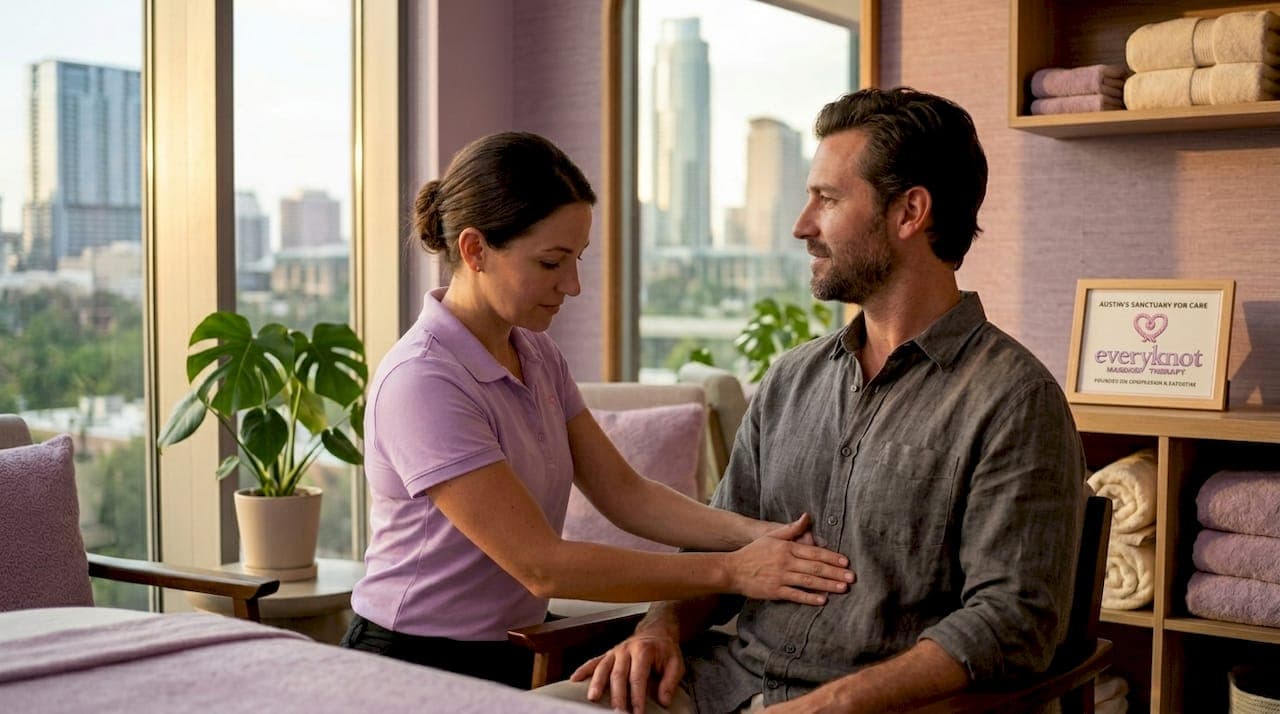
Massage is often treated like a single solution you can apply to any kind of back pain, but that's one of the biggest misconceptions people carry into a first session. Short-term relief is real and well-documented, yet lasting improvement asks for something more deliberate: the right technique, the right therapist, and a plan built around your specific pain pattern. If you've been living with chronic lower back pain in Austin and wondering why occasional massages haven't moved the needle, the answer is almost always personalization, consistency, and an integrated approach to care.
Table of Contents
- What science says about massage for lower back pain
- Choosing the right massage technique for your back pain
- Safety, precautions, and contraindications
- Building a holistic treatment plan in Austin
- What most guides miss: making massage work for chronic pain
- Find your personalized massage solution in Austin
- Frequently asked questions
Key Takeaways
| Point | Details |
|---|---|
| Massage delivers short-term relief | Clinical evidence shows massage can quickly reduce pain and improve mobility for lower back pain. |
| Personalized techniques matter | Choosing the right massage style—classical, myofascial, or trigger point—maximizes results based on your pain pattern. |
| Safety first | Consult a healthcare provider before massage if you have medical conditions like osteoporosis or spinal injury. |
| Combine therapies for best outcomes | Massage works best with exercise, physiotherapy, and psychological support for lasting relief. |
| Austin offers expert holistic care | Local therapists are skilled at customizing sessions and building integrated plans for chronic lower back pain. |
What science says about massage for lower back pain
The evidence behind massage for lower back pain is stronger than many people realize, but it comes with important context. It is not a stand-alone cure. It is a genuinely powerful tool when used correctly within a broader treatment plan.
Here's what the research tells us:
- Massage provides short-term pain relief compared to no treatment, with high certainty in some reviews, though long-term data remains limited
- The NICE guideline recommendation explicitly states that massage, as part of manual therapy, is recommended only within a package that includes exercise and possibly psychological therapy
- UK NHS treatment guidelines recommend manual therapy alongside physiotherapy, group exercise, and cognitive behavioral therapy when pain persists for several weeks
- Safety is reassuring: massage shows no significant difference in adverse events compared to usual care
What this means for you practically is that massage alone, even a very good one, is not expected to resolve chronic lower back pain. That's not a criticism of massage. It's a recognition that chronic pain is complex and responds better to layered, multimodal care.
"Manual therapy, including massage, is most effective when it supports an active rehabilitation process rather than replacing it. Think of massage as creating the conditions for movement and recovery, not as the finish line." — Aligned with NICE guideline consensus on low back pain management
The most common misconception we hear is that any type of massage will help any type of back pain. It won't. And understanding why that's true leads directly to better outcomes. Learning more about the best massage types for back pain available in Austin can help you narrow down what you actually need.
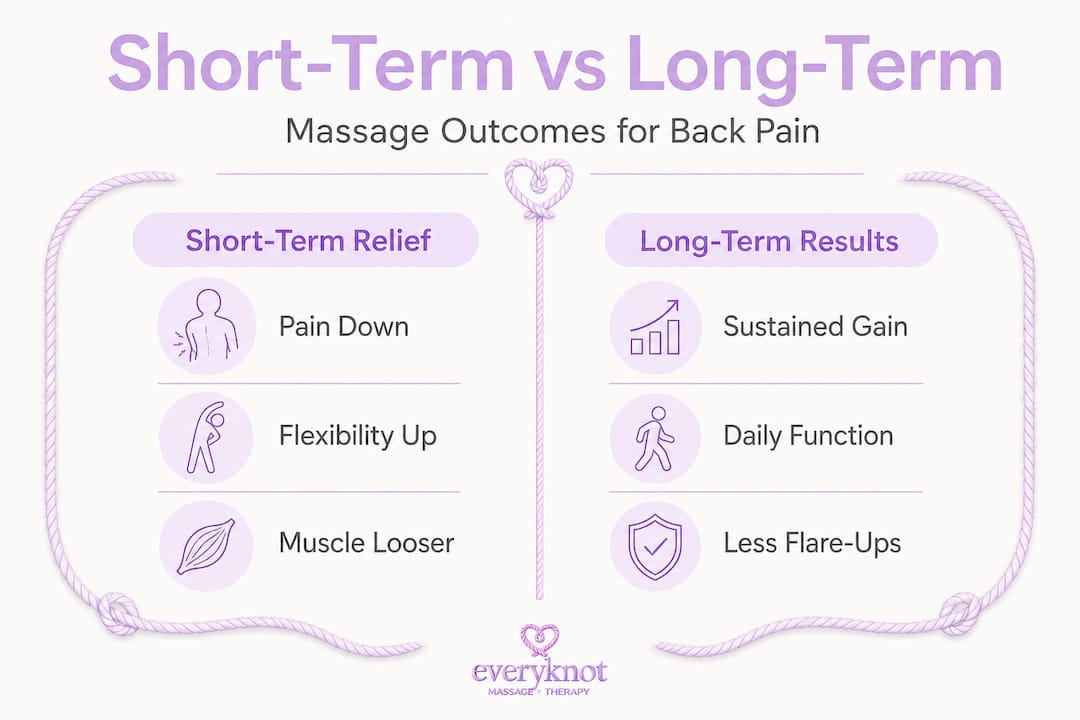
Short-term vs. long-term outcomes
| Outcome | Short-term (0-6 weeks) | Long-term (6+ months) |
|---|---|---|
| Pain reduction | Moderate to high with consistent sessions | Maintained when combined with exercise |
| Mobility improvement | Noticeable improvement in range of motion | Requires ongoing movement practice |
| Disability reduction | Significant in high-dose protocols | Depends on multimodal support |
| Psychological benefit | Reduced anxiety and stress response | Sustained with continued holistic care |
The research on massage therapy consistently shows this pattern: the people who gain the most are those who combine regular sessions with active lifestyle adjustments, not those who rely on massage as their only intervention.
Choosing the right massage technique for your back pain
Once you understand that massage needs to be part of a broader plan, the next question becomes: which type of massage is actually best for your specific situation?
A randomized controlled trial of 110 adults with subacute and chronic lower back pain tested three major massage styles over six weeks, running 18 total sessions. All three groups showed significant reductions in pain and disability compared to the control group. But myofascial release produced the greatest functional improvements, and those gains held all the way through a six-month follow-up.
Here's how the three primary techniques compare:
| Technique | Best suited for | Primary benefit | Session intensity |
|---|---|---|---|
| Classical (Swedish) massage | General muscle tension, mild chronic pain | Promotes relaxation, improves circulation | Low to moderate |
| Myofascial release | Functional limitation, stiffness, posture-related pain | Improves range of motion and tissue mobility | Moderate |
| Trigger point therapy | Localized muscle spasms, radiating pain | Releases specific knots, reduces referred pain | Moderate to high |
Breaking this down in plain terms:
- Classical massage is your starting point if you're newer to therapeutic work or recovering from a flare-up. It creates calm in the nervous system and softens general tension throughout the lower back.
- Myofascial release targets the connective tissue that surrounds and supports your muscles. When that tissue becomes tight or restricted, it pulls on structures throughout your back and hips. This technique is especially helpful if your pain feels more like stiffness or limited movement rather than sharp, localized soreness.
- Trigger point therapy focuses on specific tight bands within a muscle that cause pain both at the site and in surrounding areas. If you've ever felt that pressing on one spot in your lower back produces a dull ache in your glute or leg, that's a trigger point pattern.
The Cleveland Clinic notes that therapeutic massage decreases pain and increases range of motion for back pain when a trained therapist tailors the approach to the individual. That word "tailors" carries a lot of weight. A session that matches your pain profile and your body's current state will outperform a generic routine every time.
You can also explore restorative massage for recovery and the specific deep tissue massage benefits that make it effective for chronic pain sufferers in Austin.
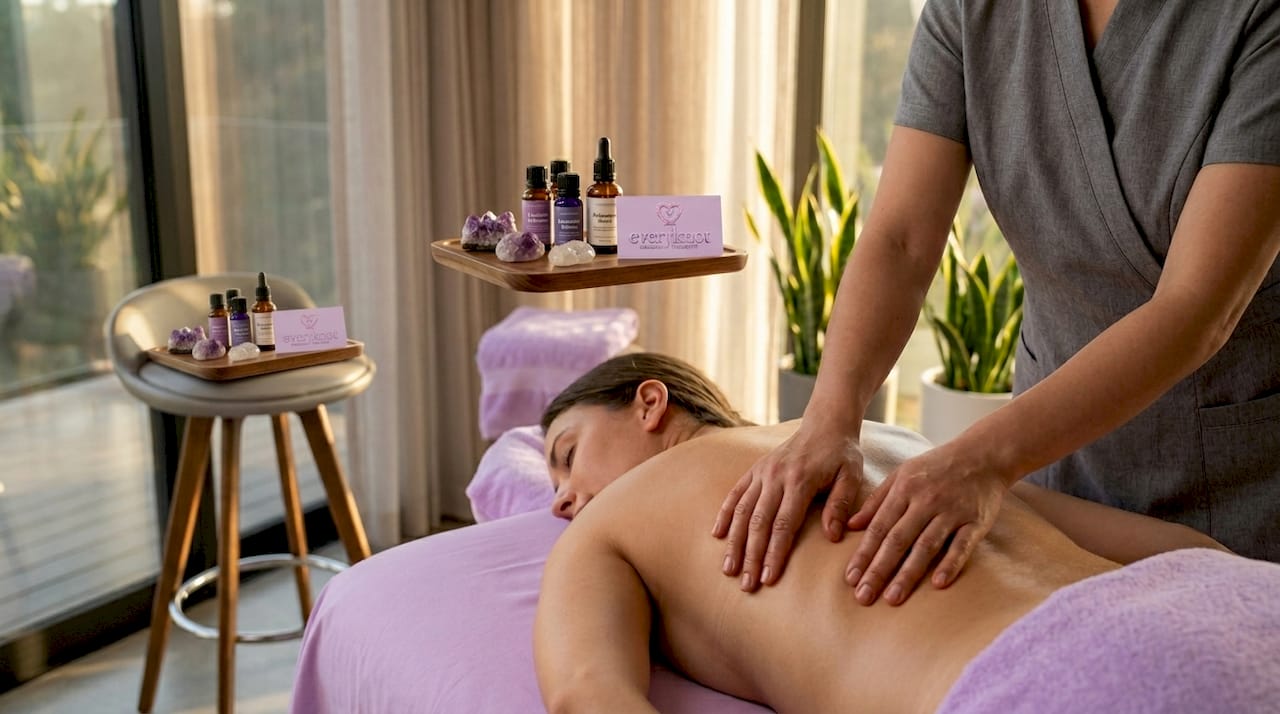
Pro Tip: Research consistently shows that higher-dose protocols of 8 or more sessions, especially when delivered over a structured six-week period, outperform infrequent visits. If you're booking one massage every few months and wondering why your pain keeps returning, the dosage and consistency are likely the missing pieces.
Safety, precautions, and contraindications
Massage is broadly safe for most adults with lower back pain. But there are specific conditions where getting on the table without medical clearance would be genuinely risky, and it's important to know them before you book.
Here are the key contraindications and situations that require a conversation with your doctor first:
- Deep vein thrombosis (DVT): Pressure on a blood clot can dislodge it and cause serious complications. This is a hard stop until cleared by a physician.
- Herniated disc or spinal injury: Certain pressure points and positions can aggravate nerve compression or spinal instability.
- Bleeding disorders or anticoagulant medications: Deep pressure can cause internal bruising and is not appropriate without clearance.
- Severe osteoporosis or recent fractures: Bones that are fragile or healing are at real risk under sustained pressure.
- Active fever, infection, or open wounds: These conditions indicate your body is already fighting something. Massage can increase circulation in ways that spread infection or intensify systemic stress.
- Post-surgical recovery without physician clearance: Even after a successful procedure, your tissues need time and proper guidance before manual therapy is appropriate.
The medical conditions list for massage contraindications also highlights the importance of avoiding direct pressure on the spine itself, especially in the lower back region. A skilled therapist works the muscles and soft tissue surrounding the spine, not the vertebrae directly.
For older adults, the same precautions apply with additional attention to tissue sensitivity. Gentler techniques at lower pressure are often more effective and safer for seniors, particularly those managing osteoporosis or cardiovascular conditions. The goal is always to support the body, not push through it.
Guidance on massage for injury recovery and working through the massage therapy workflow can help you understand what a properly structured session looks like when navigating these concerns.
Pro Tip: Before your first session with any therapist, share your full medical history, including medications, recent injuries, surgeries, and any diagnosed conditions. A trustworthy therapist will welcome this information and adjust the session accordingly. If a therapist doesn't ask, that's a signal worth paying attention to.
Building a holistic treatment plan in Austin
Here's where things get practical for chronic pain. The NICE guideline recommendation is clear: massage works best when it's embedded within a larger care strategy. That means actively combining it with other supportive elements rather than treating it as a monthly luxury.
A well-designed holistic treatment plan for lower back pain in Austin typically includes:
- Regular massage sessions tailored to your current pain pattern, whether that's myofascial release for stiffness, trigger point work for localized spasms, or a blend of techniques
- Targeted exercise and movement practice such as walking, yoga, Pilates, or physical therapy exercises that build the muscular support your spine needs
- Physiotherapy or chiropractic care when structural issues are a contributing factor, especially for disc-related or postural pain
- Psychological support such as mindfulness, stress reduction, or cognitive behavioral therapy, particularly if anxiety or emotional stress is amplifying your pain experience
- Lifestyle adjustments like ergonomic improvements at your workstation, sleep position changes, and hydration habits that support tissue health
"Chronic lower back pain rarely has a single cause, and it rarely has a single solution. The most successful outcomes come from coordinated, team-based care that treats the whole person rather than just the painful region."
Austin has a strong network of wellness professionals, from physical therapists to yoga instructors to integrative medicine practitioners. Building relationships with providers who communicate and collaborate with each other is one of the most underrated steps in managing chronic pain. Your massage therapist should know what your physiotherapist is working on, and vice versa.
Exploring how massage supports holistic wellness and understanding targeted care for conditions like massage for sciatica in Austin can help you build a more complete and informed treatment picture.
What most guides miss: making massage work for chronic pain
Most articles stop at "massage is good for your back." That's true but incomplete, and honestly, it leaves people stuck in patterns that don't actually move them toward recovery.
The most overlooked factor is dosage. Research on the six-week, high-intensity protocols with 18 sessions shows something important: the benefit isn't just from massage in general, it's from sustained, structured application over time. Your nervous system needs repetition to shift its patterns. A single deep session can release acute tension, but it takes consistent input to teach your body a new baseline. Sporadic sessions, no matter how skilled the therapist, simply can't create that kind of lasting change.
The second factor most guides underestimate is the therapist's responsiveness. Chronic pain is dynamic. Your pain on a Tuesday after a stressful workweek may look completely different from your pain on a Saturday after light movement and good sleep. A therapist who follows a fixed protocol regardless of your current state is working from a script. A therapist who asks how you're feeling today, listens to what shifted since last session, and adapts in real time is working with you.
This is what we emphasize in our work at EveryKnot Massage. Intuitive, adaptive therapy isn't a soft concept. It's a technical skill that takes years to develop. It means reading tissue response in real time, noticing when a technique is creating guarding versus release, and adjusting pressure, pace, and focus accordingly. This kind of lasting relief with massage is what separates ongoing frustration from genuine progress.
The third thing guides miss is the role of patient-led tracking. We encourage you to keep a simple pain journal: rate your pain before and after each session, note what activities preceded a flare, and observe how your body feels over the following 48 hours. This data isn't just useful for you. It helps your therapist make better decisions. Don't accept a treatment plan that stays static for months. Real progress shows up in that kind of ongoing dialogue.
Pro Tip: At each session, tell your therapist one specific change you noticed since the last visit, positive or negative. This single habit dramatically improves how your therapist can personalize the next session and track what's actually working.
Find your personalized massage solution in Austin
Living with chronic lower back pain in Austin doesn't have to mean managing around it indefinitely. The right therapeutic massage, applied consistently and adapted to your specific needs, can be a genuinely transformative part of your recovery.
At EveryKnot Massage, Caitlin brings a deeply personalized approach to every session, blending deep tissue techniques, myofascial release, trigger point therapy, and intuitive presence to meet you where you are. Whether you're dealing with long-standing tension, a recent flare-up, or pain that radiates into your hips and legs, every session is built around your body and your goals. If you're ready to move beyond temporary relief and start working toward real, lasting change, scheduling a session is the next step.
Frequently asked questions
How quickly will massage relieve my lower back pain?
Many people feel short-term relief after their first session, but sustained benefits take several weeks of regular therapy to develop and hold.
Can massage replace other treatments for chronic back pain?
No. The NICE recommendation is explicit that massage is effective only within a package that includes exercise and possibly psychological therapy.
What are signs I should avoid massage for my back pain?
If you have deep vein thrombosis, acute spinal injury, severe osteoporosis, or active infection, the contraindications list advises consulting a physician before receiving massage therapy.
How many sessions do I need for lasting results?
Research from a six-week RCT with 110 participants showed that 18 sessions over six weeks produced significant pain reduction and functional improvements lasting through a six-month follow-up.
Is massage therapy safe for seniors with back pain?
Yes, when pressure and technique are adjusted for tissue sensitivity and conditions like osteoporosis. Always share your health history with your therapist so they can adapt for safety throughout your session.