

Pregnancy changes everything, including how your body feels, how your mind processes stress, and how much you crave calm. For many expecting women, therapeutic touch in pregnancy is one of the most effective, underutilized tools available. It is not just about relaxation. Intentional, skilled touch directly influences your hormones, your nervous system, and your emotional well-being in ways that standard prenatal care rarely addresses. Whether you are managing back pain, anxiety, or simply the weight of anticipation, understanding how and why touch works during pregnancy can change how you prepare for birth.
Table of Contents
- Key takeaways
- How therapeutic touch works during pregnancy
- Benefits of therapeutic touch in pregnancy
- Safety considerations and best practices
- Types of pregnancy massage therapy and touch modalities
- How partners can support through touch
- My perspective on therapeutic touch in pregnancy
- Experience prenatal massage care at EveryKnot Massage
- FAQ
Key takeaways
| Point | Details |
|---|---|
| Touch affects hormones directly | Therapeutic touch stimulates oxytocin, which lowers stress, raises pain tolerance, and supports labor. |
| Safety requires professional guidance | Always consult your OB-GYN before starting prenatal massage, especially in the first trimester. |
| Multiple modalities are available | Swedish massage, Healing Touch, and intuitive massage each serve different pregnancy needs and comfort levels. |
| Partners can participate safely | Simple, consent-based touch from a partner reduces anxiety and strengthens emotional connection. |
| Emotional safety matters as much as physical safety | A skilled practitioner creates a trusting environment that supports both physical and psychological healing. |
How therapeutic touch works during pregnancy
When someone touches you with care and intention, your body responds in measurable ways. Touch activates the parasympathetic nervous system, which is the branch responsible for rest, digestion, and healing. This shifts your body away from the stress response, lowering cortisol and reducing the physical markers of anxiety.
One of the most significant effects is on oxytocin. Therapeutic touch stimulates natural oxytocin release, which promotes relaxation, builds emotional connection, and raises your pain threshold. During labor, this matters enormously. Oxytocin is the same hormone that drives uterine contractions, so building familiarity with touch-based oxytocin responses before labor can help your body work more efficiently when the time comes.
"Helping your nervous system feel safe enough to let go is not a luxury during pregnancy. It is a physiological need."
The emotional dimension of prenatal therapeutic touch is equally real. Safe, intentional touch supports balance of physical, emotional, and spiritual well-being in ways that go beyond what can be measured in a blood panel. Many pregnant women report that regular therapeutic touch sessions reduce feelings of isolation, improve mood, and create a stronger mind-body connection throughout their pregnancy.
Pro Tip: If you feel anxious or uncertain before a session, let your therapist know. A skilled prenatal practitioner will adjust their approach, pace, and pressure to match your comfort level from the very start.
Benefits of therapeutic touch in pregnancy
The benefits of touch during pregnancy span every trimester. As your body changes shape and your center of gravity shifts, muscle tension builds in predictable patterns. Your lower back, hips, glutes, and legs carry most of the load. Therapeutic massage directly addresses these areas with targeted, sustained pressure that releases tension and restores circulation.
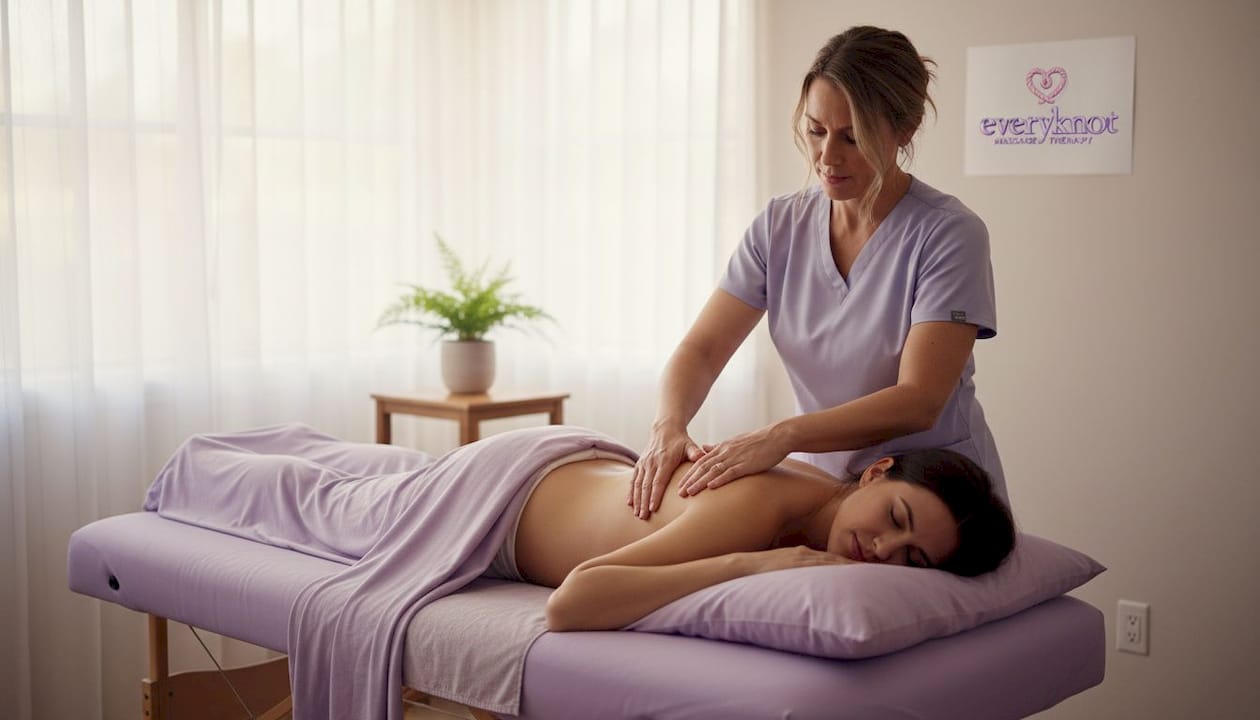
Sciatic nerve pain affects a significant number of pregnant women, particularly in the second and third trimesters. Massage that targets the piriformis and surrounding hip muscles can relieve nerve compression without medication. This is one of the most clinically documented benefits of pregnancy massage therapy, and many women experience noticeable relief within one or two sessions.
Here are the primary benefits you can expect from consistent prenatal therapeutic touch:
- Reduced muscle tension in the back, hips, and legs, which are the areas most affected by postural changes
- Improved circulation, which reduces joint swelling and delivers more oxygen and nutrients to your baby
- Lower anxiety levels and improved sleep quality, supported by parasympathetic nervous system activation
- Sciatic pain relief through targeted work on muscles that compress the nerve
- Emotional grounding through the consistent, predictable nature of therapeutic touch
- Labor preparation by training your nervous system to respond to touch with calm rather than tension
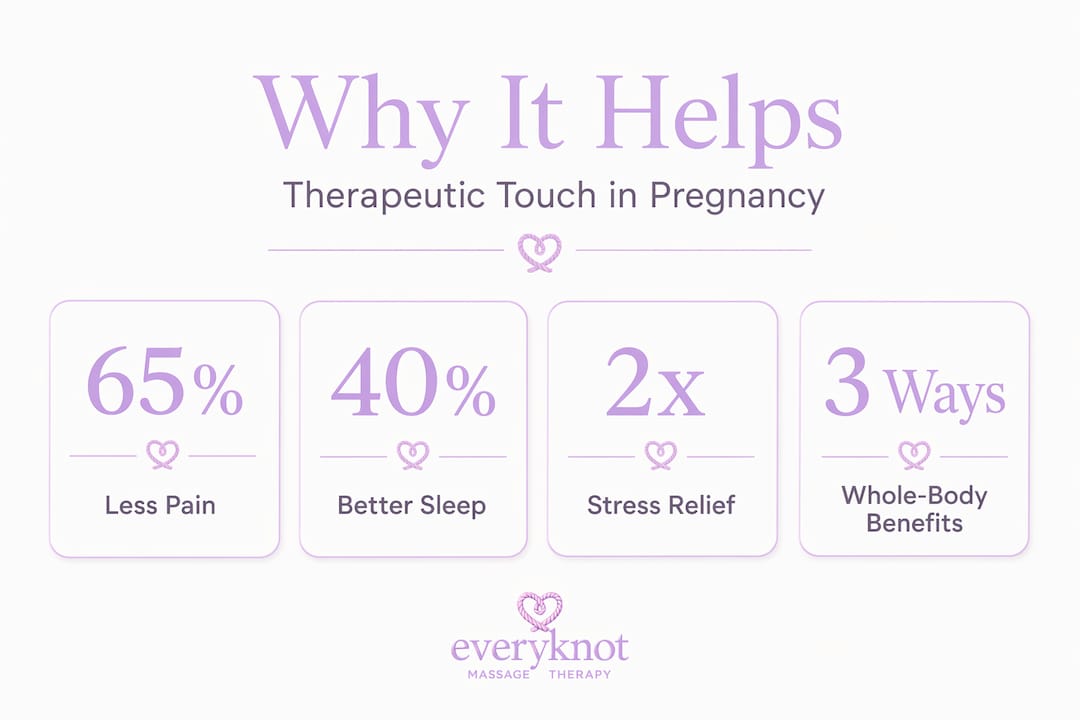
Sleep disruption is one of the most common and underreported pregnancy challenges. Women who receive regular prenatal massage often report sleeping more deeply and waking less frequently. This matters beyond comfort. Quality sleep directly supports immune function, emotional regulation, and fetal development. Stress relief during pregnancy is not separate from physical health. They are deeply connected.
The research is clear: therapeutic touch works through multiple pathways at once. It is physical, hormonal, and emotional simultaneously, which is why the effects often feel more substantial than people expect before their first session.
Safety considerations and best practices
Therapeutic touch is safe for most pregnancies, and the precautions are straightforward once you know them. Following these steps will help you get the most benefit while protecting both you and your baby.
- Consult your prenatal care provider first. There is no universal medical ban on massage during the first trimester, but many therapists require OB-GYN clearance during those early weeks due to miscarriage risk. Get clearance before your first session regardless of trimester.
- Choose a certified prenatal massage therapist. Specialized practitioners are trained to avoid strain on uterine ligaments and to monitor for pregnancy complications like varicose veins and blood clots. General massage training is not sufficient for pregnancy care.
- Use proper positioning. Side-lying with supportive pillows is the standard for most of pregnancy. Face-down or flat-on-your-back positions can restrict blood flow and place pressure on the uterus.
- Disclose your complete health history. Conditions like preeclampsia, placenta previa, or preterm labor risk change what is appropriate. Your therapist needs this information before your session begins.
- Understand that mild side effects are normal. Research shows that post-massage soreness and tiredness are the most commonly reported side effects, affecting roughly 45% of recipients. These typically resolve within 24 hours.
Psychological safety is part of the picture too. Consent and personal boundaries are not just formalities. Your comfort and emotional state directly influence how effectively therapeutic touch works. A good practitioner checks in with you throughout the session and adjusts based on your feedback.
Pro Tip: Before your appointment, review tips on preparing for your session to make the most of your time on the table and reduce the likelihood of post-session fatigue.
Types of pregnancy massage therapy and touch modalities
Not all therapeutic touch looks the same. Different modalities serve different needs, and the right fit depends on your trimester, your primary discomforts, and your personal comfort with touch. Here is a comparison of the most common approaches:
| Modality | Approach | Pressure level | Best for |
|---|---|---|---|
| Swedish massage | Long, flowing strokes targeting circulation and tension | Light to moderate | General relaxation, swelling, first-time recipients |
| Deep tissue massage | Slow, targeted pressure on deeper muscle layers | Moderate (modified in pregnancy) | Chronic tension, back pain, sciatic discomfort |
| Healing Touch | Gentle or off-body energy work balancing the body's field | Non-contact or very light | Emotional stress, trauma history, sensitive pregnancies |
| Intuitive massage | Therapist-led blend of techniques based on real-time feedback | Variable | Individualized needs, multiple discomforts, shifting preferences |
Healing Touch energy therapy is a heart-centered, non-invasive modality that supports physical, emotional, and spiritual balance alongside conventional care. It involves gentle or off-body touch, making it particularly appropriate for women who find direct pressure uncomfortable or who have a history of trauma.
Intuitive massage takes personalization a step further. Rather than following a fixed protocol, the therapist continuously reads your body's responses and adjusts technique, pressure, and focus accordingly. For pregnancy, where your needs can shift significantly from week to week, this adaptability is genuinely valuable.
Swedish massage remains the most widely recommended starting point for pregnancy massage therapy. Its focus on improving circulation and releasing surface tension makes it both effective and accessible, even for women who have never received professional massage before.
How partners can support through touch
You do not need professional training to provide meaningful comfort through touch. Partners play a real role in therapeutic touch during pregnancy, and simple techniques learned at home can reduce anxiety, ease discomfort, and deepen your connection through a physically demanding time.
Here are safe, effective ways partners can offer support:
- Lower back pressure. Place both hands on the lower back and apply gentle, steady pressure in a circular motion. This is particularly effective during late pregnancy when lumbar tension peaks.
- Foot and calf massage. Use moderate pressure on the soles and calves to reduce swelling and promote circulation. Avoid deep pressure directly on the ankles.
- Scalp and neck massage. Light fingertip pressure on the scalp and neck relieves tension headaches, which are common in the first trimester.
- Hand holding and skin contact. Simple, sustained contact activates social bonding and lowers stress. You do not need to "do" anything. Presence with contact is enough.
Communication matters more than technique. Always ask before touching, check in about pressure, and follow your partner's lead on what feels good versus uncomfortable. Pregnancy changes body sensitivity in unpredictable ways, and what felt wonderful last week may feel irritating today. Stay curious and responsive.
When discomfort is significant or persistent, professional care is the right next step. Knowing when to refer out is itself a form of support.
My perspective on therapeutic touch in pregnancy
I have worked with pregnant clients across every trimester, and the thing that surprises people most is not how much physical relief therapeutic touch provides. It is how much emotional weight they were carrying that they did not realize they could put down.
In my experience, the biggest barrier is not safety or access. It is the belief that asking for this kind of care is indulgent. I hear it often. Women come in apologizing for needing support. That framing needs to shift. Therapeutic touch is not a luxury for pregnant women. It is a physiological and emotional tool that supports the entire system, including the baby's environment.
What I have learned about holistic care in pregnancy is that no two bodies tell the same story. The research on oxytocin and cortisol gives us a framework, but the actual session has to start with listening. Pressure that feels grounding to one person feels overwhelming to another. A technique that works beautifully in the second trimester may need to be completely reworked in the third. That is why the emotional environment of a session, the consent, the communication, the sense of safety, is not secondary to the technique. It is the technique.
For pregnant individuals with a history of pregnancy loss, this is especially true. Psychological safety in therapeutic touch environments is as critical as physical safety. Trust takes time to build, and a good practitioner understands that.
If you are exploring therapeutic touch for the first time, go slowly. Communicate openly. Find a practitioner who asks questions and actually listens to the answers.
— Caitlin
Experience prenatal massage care at EveryKnot Massage
If you are in Austin and looking for therapeutic touch support during your pregnancy, Everyknotmassage offers certified prenatal massage tailored to exactly where you are in your pregnancy and what your body needs right now. Caitlin's approach blends clinical knowledge with intuitive care, creating sessions that address both physical tension and emotional stress in equal measure.
Sessions are customized from the first appointment. Whether you are managing sciatic pain, struggling with sleep, or simply need an hour where your nervous system gets to rest, the care you receive at Everyknotmassage is built around you, not a template. Caitlin coordinates with your prenatal care team when appropriate, so your massage therapy supports rather than replaces your medical care. Booking is straightforward, the studio is calm, and your comfort and safety guide every decision made in the room.
FAQ
What is therapeutic touch in pregnancy?
Therapeutic touch in pregnancy refers to intentional, skilled touch practices, including prenatal massage, Healing Touch, and energy-based modalities, used to reduce stress, manage pain, and support emotional well-being during pregnancy.
Is pregnancy massage therapy safe in the first trimester?
There is no universal medical ban on massage during the first trimester, but most therapists require OB-GYN clearance before working with clients in those early weeks due to elevated miscarriage risk.
What are the main benefits of prenatal therapeutic touch?
Prenatal therapeutic touch reduces muscle tension, relieves sciatic nerve pain, improves sleep quality, lowers anxiety, and stimulates oxytocin release, which raises pain tolerance and supports labor readiness.
Can partners provide therapeutic touch at home?
Yes. Simple techniques like lower back pressure, calf massage, and sustained hand contact are safe and effective. The key is to communicate openly, ask before touching, and follow the pregnant person's real-time feedback.
How do I know if a massage therapist is qualified for prenatal care?
Look for certification in prenatal or perinatal massage therapy. Qualified therapists are trained in safe positioning, contraindications specific to pregnancy, and how to monitor for complications like varicose veins or blood clots during sessions.