

Not all massage is created equal. If you've ever searched for help with back pain or chronic tension and found yourself overwhelmed by the sheer number of types of massage therapy available, you're not alone. Swedish, deep tissue, shiatsu, myofascial release — the options can feel like too much to sort through, especially when you're already dealing with discomfort. Massage therapy use in pain conditions has risen sharply since 2016, and for good reason. The right type can genuinely change how you feel. This guide breaks it all down so you can choose with confidence.
Table of Contents
- Key takeaways
- 1. What to consider before choosing a massage type
- 2. Swedish massage
- 3. Deep tissue massage
- 4. Sports massage
- 5. Hot stone massage
- 6. Aromatherapy massage
- 7. Shiatsu
- 8. Acupressure
- 9. Myofascial release
- 10. Prenatal massage
- 11. Reflexology
- 12. Comparing massage therapy types at a glance
- 13. How to match a massage type to your specific needs
- My honest take on choosing massage therapy
- Find the right massage at Everyknotmassage in Austin, TX
- FAQ
Key takeaways
| Point | Details |
|---|---|
| Multiple modalities exist | There are many types of massage therapy, each designed for different goals and conditions. |
| Match type to your need | Pain relief, stress reduction, and injury recovery each call for different techniques and pressure levels. |
| Safety always comes first | Contraindications matter; always share your full health history with your therapist before a session. |
| Verify your therapist's license | State licensure is the baseline credential to confirm before booking any massage. |
| Personalization improves results | Open communication with your therapist leads to better outcomes than a one-size-fits-all approach. |
1. What to consider before choosing a massage type
Before comparing specific types of massage techniques, it helps to get clear on what you actually need. Many people book a session without thinking through a few key questions, and the result is a mismatch between expectation and experience.
Here are the most useful criteria to consider:
- Your primary goal. Are you seeking pain relief, stress reduction, post-workout recovery, or general relaxation? Each goal points toward specific modalities.
- Pressure preference. Some types use light, flowing strokes. Others apply firm, focused pressure to deeper muscle layers. Neither is universally better; it depends on your body and your condition.
- Health history and contraindications. Massage contraindications include absolute conditions like suspected deep vein thrombosis and relative conditions requiring technique modifications, such as anticoagulant use or fragile skin. Disclosing your full medical history is not optional.
- Therapist qualifications. State licensure is the most important credential to verify. Certifications in specific modalities are supplemental and voluntary, not a substitute for licensure.
- Session frequency and duration. Some conditions respond best to consistent, regular sessions. Others need just one or two targeted treatments. Your therapist should help you build a plan.
Pro Tip: Before your first appointment, write down your top three complaints, any medications you take, and any areas you want avoided. This takes two minutes and dramatically improves how well your therapist can help you.
2. Swedish massage
Swedish massage is the most widely recognized of all massage therapy types, and for good reason. It uses long, gliding strokes, kneading, and gentle circular movements on the surface muscle layers. The pressure is typically light to moderate, and the overall experience is designed to promote relaxation and calm the nervous system.
This is the go-to choice if you are new to massage, experiencing general stress, or want your body to simply unwind. It supports better circulation, reduces cortisol levels, and helps your body settle into a parasympathetic state — the mode where genuine rest and recovery happen.
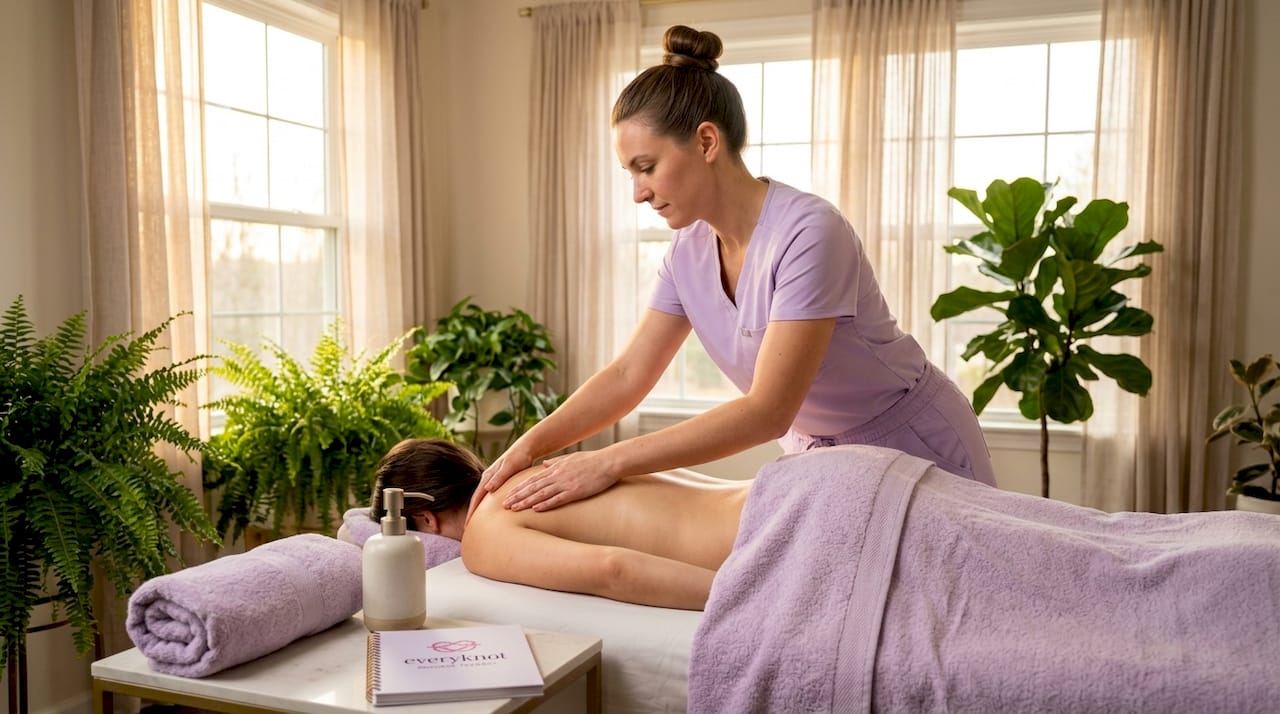
If you haven't had a massage before, start here. It gives you a baseline for understanding how your body responds to touch before moving to more intense modalities.
3. Deep tissue massage
Deep tissue massage targets the inner layers of muscle and connective tissue. It uses slow, deliberate strokes and firm pressure to release chronic tension patterns, adhesions, and scar tissue that have built up over time.
Research from 2025 involving 150 athletes showed significant gains in recovery and flexibility through bi-weekly deep tissue massage sessions. And an eight-week treatment protocol produced measurable flexibility improvements in the lumbar region, knees, and shoulders. This is not just an athletic benefit. People with desk jobs, chronic back pain, or old injuries often find deep tissue work more effective than any other approach.
For a detailed look at what this modality involves, deep tissue techniques and benefits covers the full picture. The key thing to know: deeper pressure does not always mean better results. A skilled therapist adjusts depth based on what your tissue actually needs, not how much discomfort you can tolerate.
4. Sports massage
Sports massage shares techniques with deep tissue work but applies them with a specific focus: preparing the body for physical performance and recovering from it. A therapist working in sports massage will often address specific muscle groups relevant to your sport or movement pattern, rather than giving a general full-body treatment.
Massage therapy outperforms cold-water immersion and static stretching for reducing markers of muscle damage and inflammation related to delayed onset muscle soreness. That's a meaningful finding, especially for anyone training consistently and dealing with recurring soreness.
You don't need to be a competitive athlete to benefit from sports massage. If you're physically active, dealing with a repetitive strain, or recovering from an acute injury, this modality deserves consideration.
5. Hot stone massage
Hot stone massage uses smooth, heated basalt stones placed on specific points of the body, often along the spine or on the shoulders. The therapist may also use the stones to apply gentle pressure directly to the muscles.
The heat penetrates deeper into muscle tissue than hands alone can reach without heavy pressure. This makes hot stone work particularly useful for people who need significant tension relief but find firm pressure uncomfortable. It is also deeply calming for the nervous system, making it one of the better options for stress-related tension that has settled into the body over months or years.
Not everyone is a candidate, though. Conditions involving poor circulation, certain skin sensitivities, or recent inflammation may make this modality unsuitable.
6. Aromatherapy massage
Aromatherapy massage combines Swedish massage techniques with the use of essential oils chosen for their therapeutic properties. Lavender for relaxation, eucalyptus for muscle relief, peppermint for energy — the oil selection varies based on your goals.
The physical technique is generally gentle and rhythmic. The therapeutic effect comes from both the touch and the aromatic compounds absorbed through the skin and inhaled during the session. This type is especially supportive for stress, anxiety, and sleep difficulties. It is not typically the best choice for structural pain or injury recovery, where more targeted techniques are needed.
7. Shiatsu
Shiatsu is a Japanese bodywork technique rooted in traditional Chinese medicine principles. Rather than using oils or gliding strokes, a shiatsu practitioner applies rhythmic pressure with fingers, thumbs, and palms along specific meridian pathways in the body.
The goal is to balance the flow of energy through these pathways and address both physical and emotional tension. Sessions are typically done clothed, on a mat on the floor or a low table. For people who find the idea of undressing for massage uncomfortable, or who are drawn to a more energy-centered approach, shiatsu offers a genuinely different experience than Western massage modalities.
8. Acupressure
Acupressure works on similar principles to shiatsu but often focuses more precisely on individual pressure points rather than full meridian pathways. Think of it as acupuncture without needles. Sustained, intentional pressure is applied to specific points to release tension, support organ function, and ease pain.
It is particularly noted for helping with headaches, nausea, and tension-related conditions. Like shiatsu, it is typically done clothed and does not require oils. Many people find acupressure a useful complement to other types of massage therapy, especially when they have specific localized complaints.
9. Myofascial release
Myofascial release therapy addresses the fascia — the connective tissue web that surrounds and supports every muscle, bone, and organ in your body. When fascia tightens or develops restrictions due to injury, surgery, or chronic stress, it can create pain and limit movement in ways that standard massage doesn't fully reach.
The technique involves sustained, gentle pressure applied slowly to areas of restriction. It does not use oil, and the work can feel subtle from the outside. Internally, though, the effects on tissue mobility and pain levels can be significant. If you have unexplained chronic pain, a sense of tightness that never fully resolves, or have had surgery, myofascial release is worth exploring through restorative massage approaches.
10. Prenatal massage
Prenatal massage is adapted specifically for pregnant clients. It addresses the physical strain of pregnancy — low back pain, hip tension, swollen legs — using modified positioning and gentle to moderate pressure that avoids specific contraindicated areas.
It is not a luxury. For many pregnant people, it is one of the most effective non-pharmacological options for pain and stress management during a physically demanding time. A therapist should be specifically trained in prenatal work. Positioning, pressure points to avoid, and trimester-specific modifications matter significantly.
11. Reflexology
Reflexology applies pressure to specific points on the feet, and sometimes the hands or ears, that are believed to correspond to organs and systems throughout the body. It is distinct from foot massage in that it follows a mapped system of reflex points rather than addressing foot muscles directly.
Many people find it deeply relaxing and report systemic effects beyond just foot relief. The evidence base is less established than for modalities like deep tissue or Swedish massage, but for stress relief and general wellness support, it remains a popular and accessible option.
12. Comparing massage therapy types at a glance
Here is a side-by-side look at how the most popular types of massage therapy compare across key factors.
| Massage type | Pressure level | Best for | Session length | Clothing required |
|---|---|---|---|---|
| Swedish | Light to moderate | Relaxation, stress, first-timers | 60 to 90 minutes | No (draped) |
| Deep tissue | Moderate to firm | Chronic pain, injury recovery | 60 to 90 minutes | No (draped) |
| Sports | Moderate to firm | Athletic recovery, performance | 30 to 90 minutes | No (draped) |
| Hot stone | Light to moderate | Tension, circulation, stress | 60 to 90 minutes | No (draped) |
| Aromatherapy | Light | Stress, anxiety, sleep | 60 minutes | No (draped) |
| Shiatsu | Moderate | Energy balance, stress | 60 minutes | Yes |
| Acupressure | Moderate | Headaches, nausea, localized pain | 30 to 60 minutes | Yes |
| Myofascial release | Light, sustained | Chronic tension, fascia restrictions | 60 to 90 minutes | No (draped) |
| Prenatal | Gentle to moderate | Pregnancy-related pain and stress | 60 minutes | No (draped) |
| Reflexology | Moderate | General wellness, stress | 30 to 60 minutes | Yes (feet only) |
Six systematic reviews published between 2018 and 2023 confirm moderate-evidence support for massage therapy specifically in chronic back pain, fibromyalgia, and cancer-related pain. This gives you a useful anchor when comparing the different massage techniques in that table: for clinical pain conditions, techniques with stronger research backing deserve priority.
13. How to match a massage type to your specific needs
Now that you understand the differences in massage techniques, here's how to put that knowledge to use for your own situation.
- For chronic pain or injury recovery: Deep tissue massage and myofascial release tend to produce the most meaningful results. If you're dealing with lower back pain specifically, personalized massage for lower back pain is worth reading before you book.
- For stress and anxiety: Swedish, aromatherapy, or hot stone massage will help your nervous system downregulate. These types address the physiological effects of stress rather than just providing a pleasant hour.
- For athletic performance or recovery: Sports massage or deep tissue work, with regular scheduling around your training cycle, produces the most consistent results.
- For pregnancy: Prenatal massage with a certified practitioner is the only appropriate choice.
- For something gentle or energy-centered: Shiatsu, acupressure, or reflexology offer meaningful benefits without requiring any undressing or oil use.
Pro Tip: Tell your therapist not just where it hurts, but what makes it better or worse, how long you've had the issue, and what you've already tried. This context shapes the session more than any technique choice alone.
If you're managing a health condition, understanding therapist credentials helps you confirm you're working with someone qualified to support your specific needs safely.
My honest take on choosing massage therapy
I've worked with clients across a wide range of conditions, and the pattern I see most often is this: people choose a massage type based on what sounds appealing rather than what their body actually needs. That's not a criticism. When you're in pain or exhausted, you just want relief. But the choice of modality does matter.
What I've learned is that the conversation before the session is often more important than the technique itself. When a client tells me everything — their medications, their stress levels, their sleep, their history of injuries — I can work with their body in a way that a generic session never could. The technique serves the person, not the other way around.
I also want to be honest about something that doesn't get said enough: massage is a clinical intervention with real risks when contraindications are overlooked. I've had clients come to me after sessions elsewhere that made their conditions worse because the therapist didn't ask the right questions. Always disclose your full history. Always work with a state-licensed therapist. Certifications matter, but licensure is the baseline.
The best massage therapy you can receive is one that is specific to you, delivered by someone who listens before they start working.
— Caitlin
Find the right massage at Everyknotmassage in Austin, TX
Knowing what you need is only half the work. Finding a therapist who can deliver it with skill and genuine attention is the other half.
At Everyknotmassage, Caitlin offers a full range of massage therapy types in Austin, TX, including deep tissue, chronic pain relief, prenatal massage, injury recovery, and assisted stretching. Every session is built around your specific needs, your history, and what your body is telling you that day. There's no template. The approach is personalized, intentional, and grounded in clinical training across multiple modalities. If you're ready to stop guessing which massage type is right for you and start actually feeling better, reach out to book a consultation.
FAQ
What are massage modalities?
Massage modalities are distinct types of massage therapy, each using specific techniques, pressure styles, and theoretical frameworks to address different physical or emotional needs. Examples include Swedish, deep tissue, shiatsu, and myofascial release.
How many types of massage therapy are there?
There are dozens of recognized types of massage therapy, with the most commonly practiced including Swedish, deep tissue, sports, hot stone, prenatal, reflexology, shiatsu, acupressure, aromatherapy, and myofascial release. The right choice depends on your specific goals and health history.
Is deep tissue massage safe for everyone?
Deep tissue massage is not appropriate for everyone. People with certain cardiovascular conditions, active inflammation, suspected blood clots, or those on blood thinners may need to avoid or modify this type of work. Always share your full health history with your therapist before a session.
How do I know which type of massage is best for me?
Start by identifying your primary goal: pain relief, stress reduction, athletic recovery, or relaxation. Then consider your pressure preference and any health conditions. A licensed massage therapist can help you narrow down the best types of massage for your specific situation.
Do massage therapists need to be licensed?
Yes. State licensure is the most important credential to verify when choosing a massage therapist. It confirms the therapist has met minimum education and examination standards. Additional certifications in specific modalities are voluntary and supplemental, not a replacement for a valid state license.